Vermont School Garden

A visit to a Vermont public school garden through the seasons.


Leave a comment

A Shout Out to Some Community Volunteers

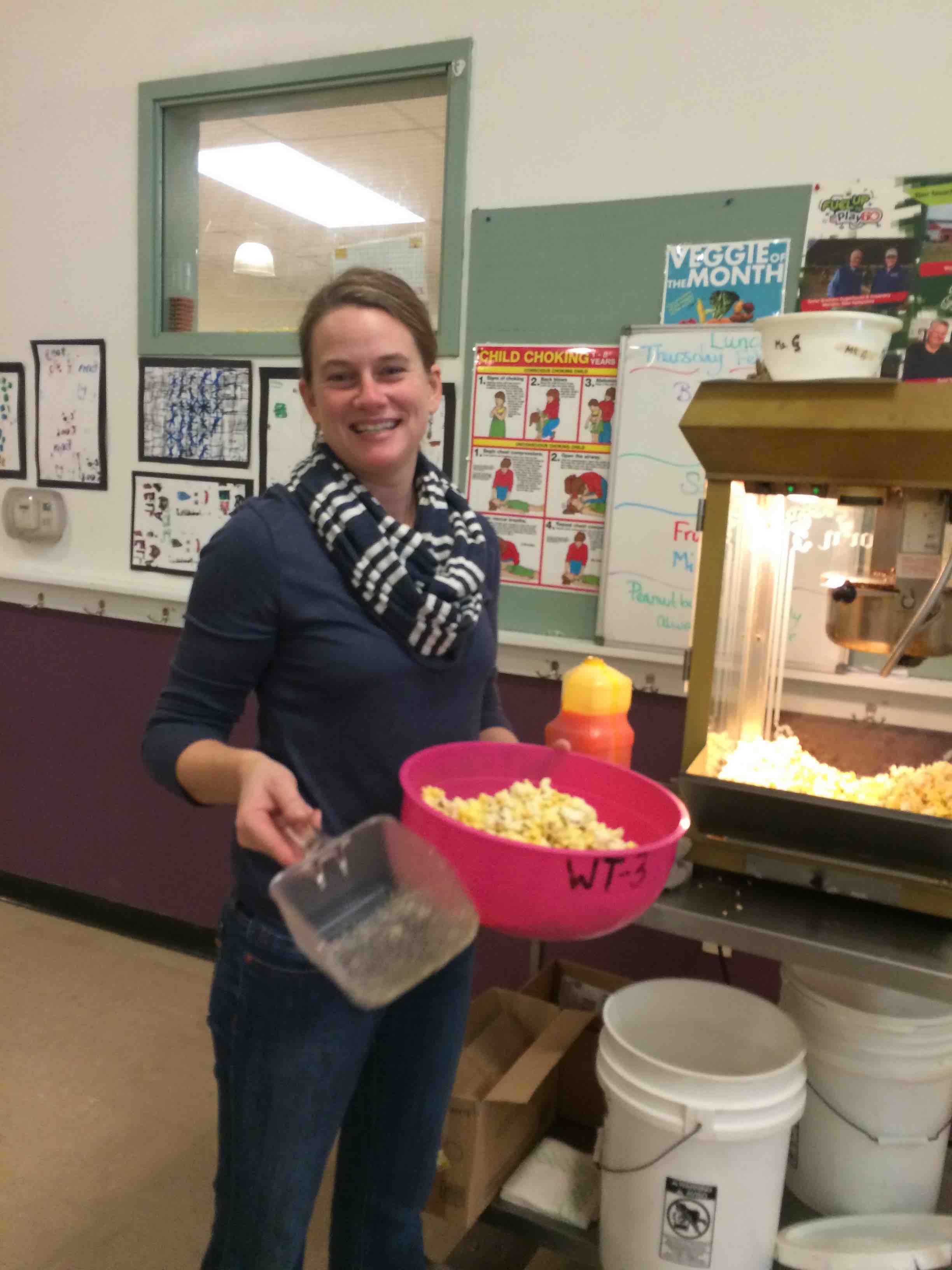
Amy Rice Sciacca making popcorn for the schools.

Amy Rice Sciacca making popcorn for the schools.

Every Thursday, parent Amy Sciacca, comes into school with her young son and makes popcorn for the Westminster Schools’ healthy snack program. (Amy’s mother was once a school board member.) This says quite a bit about the generosity of our parents in this  community. If we look back, the popcorn machine itself was donated by Barbara Sherrod and Mark Steinhardt, when their grandchildren (now in high school) were elementary students here!

Community volunteers have played a large role at the Westminster schools for generations. They continue to quietly leave their mark.

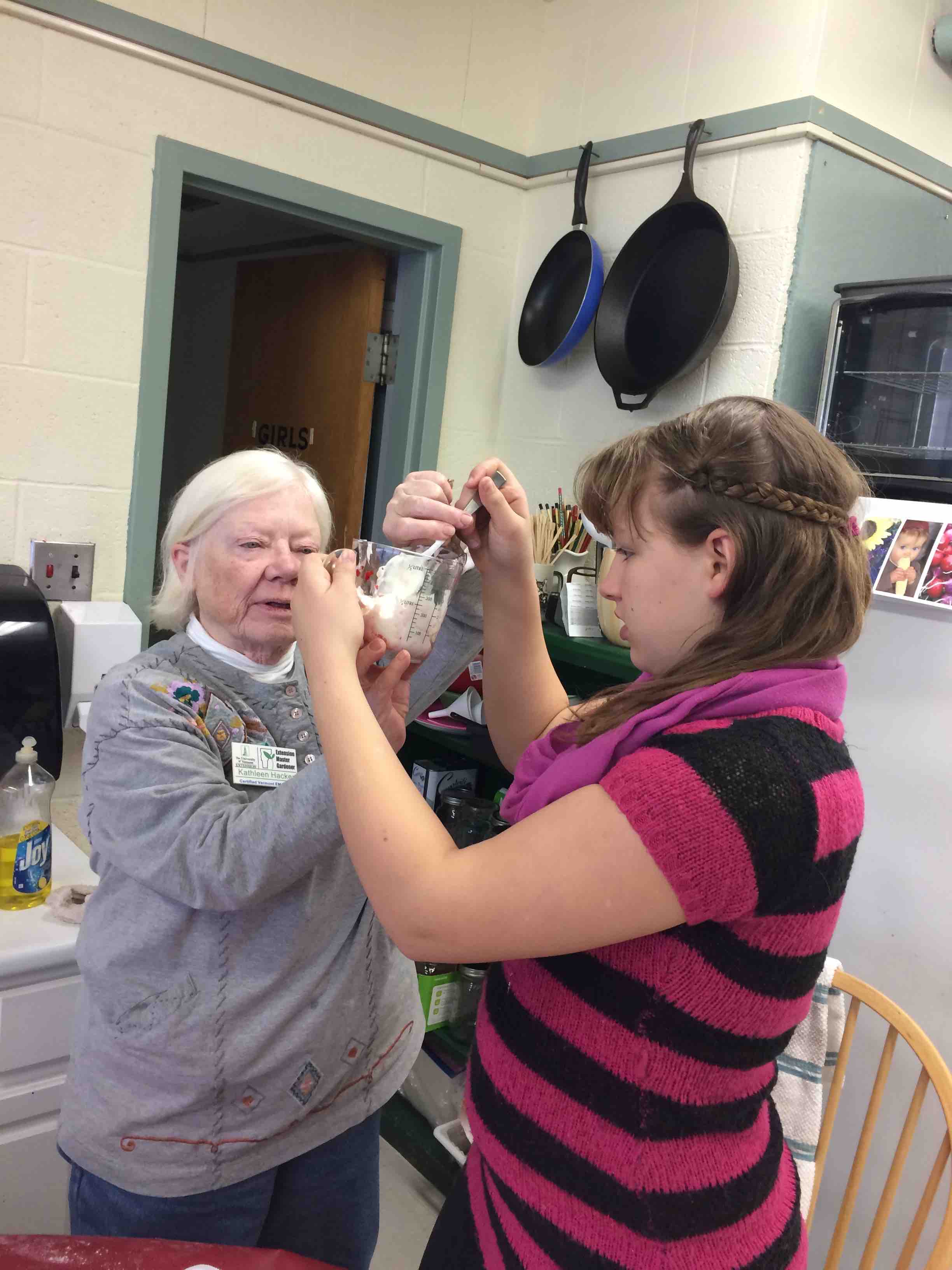
Below, Kathleen Hacker from the Master Gardener Program, helps with measuring during an After School Cooking lesson. She’s modeling much more than measuring here!

measuring yogurt

measuring yogurt


Leave a comment

Garden Designing and Pizza: Celebrating Last Year and Planning for the Future

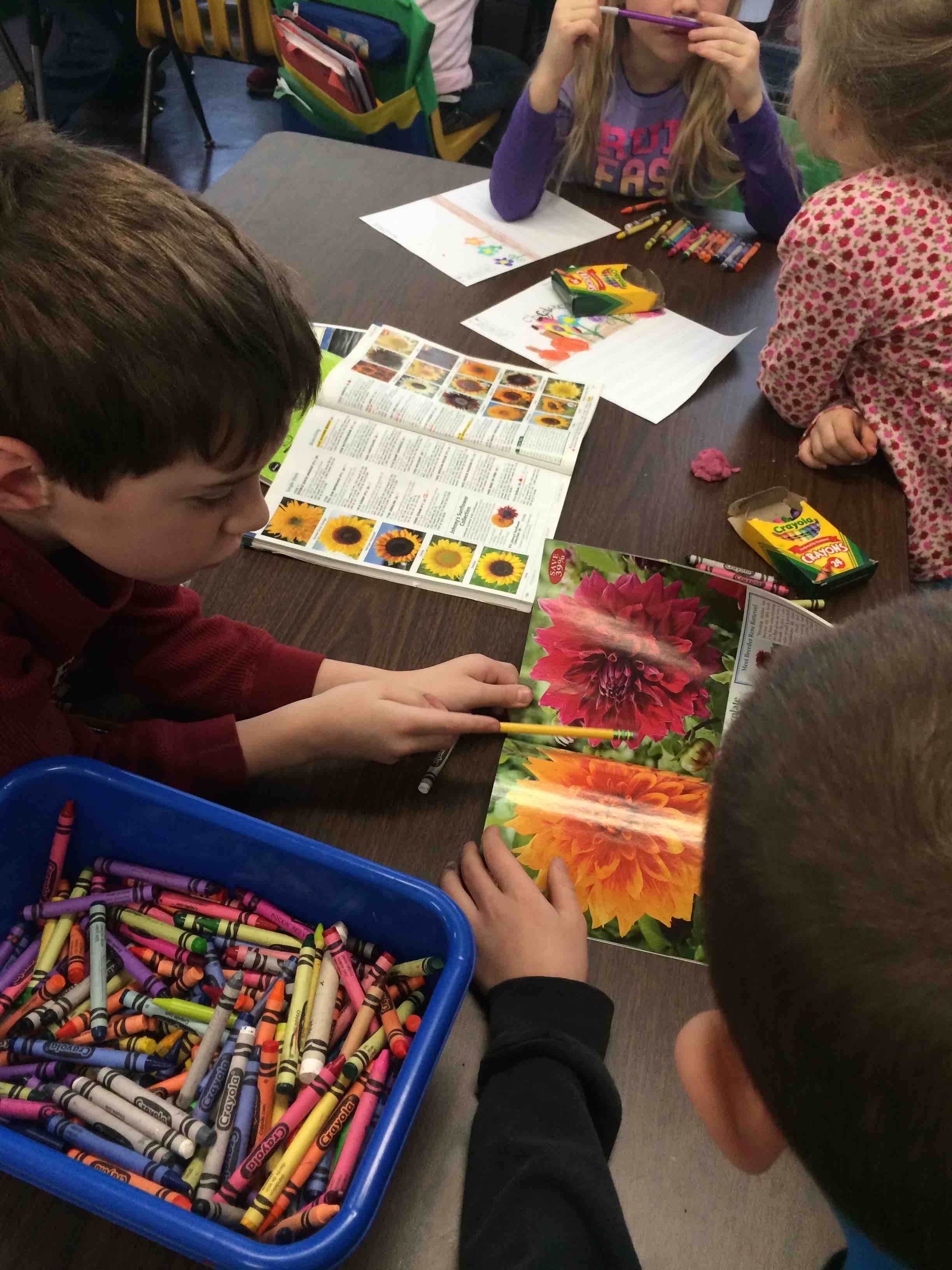
checking into catalogs

checking into catalogs

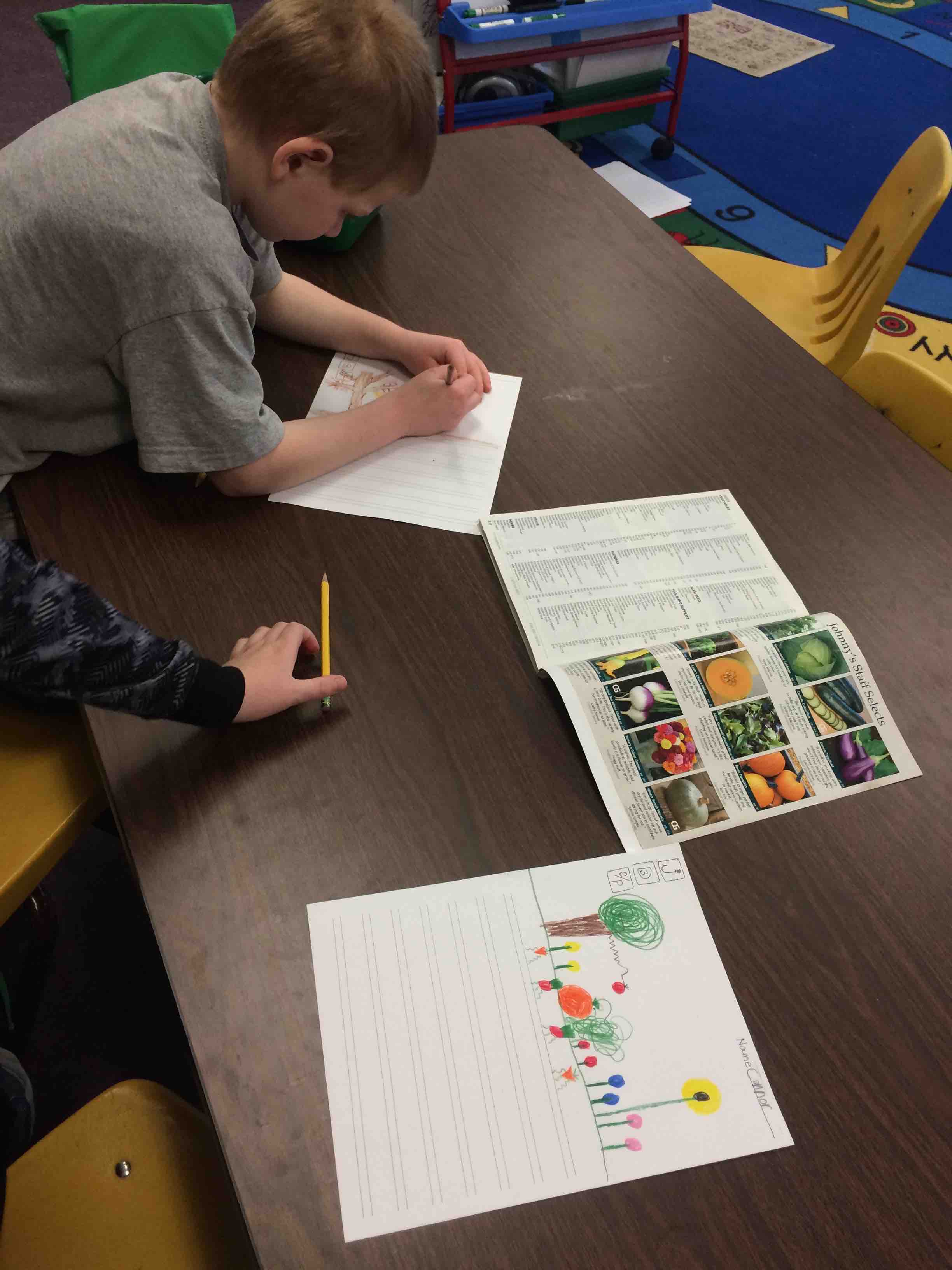
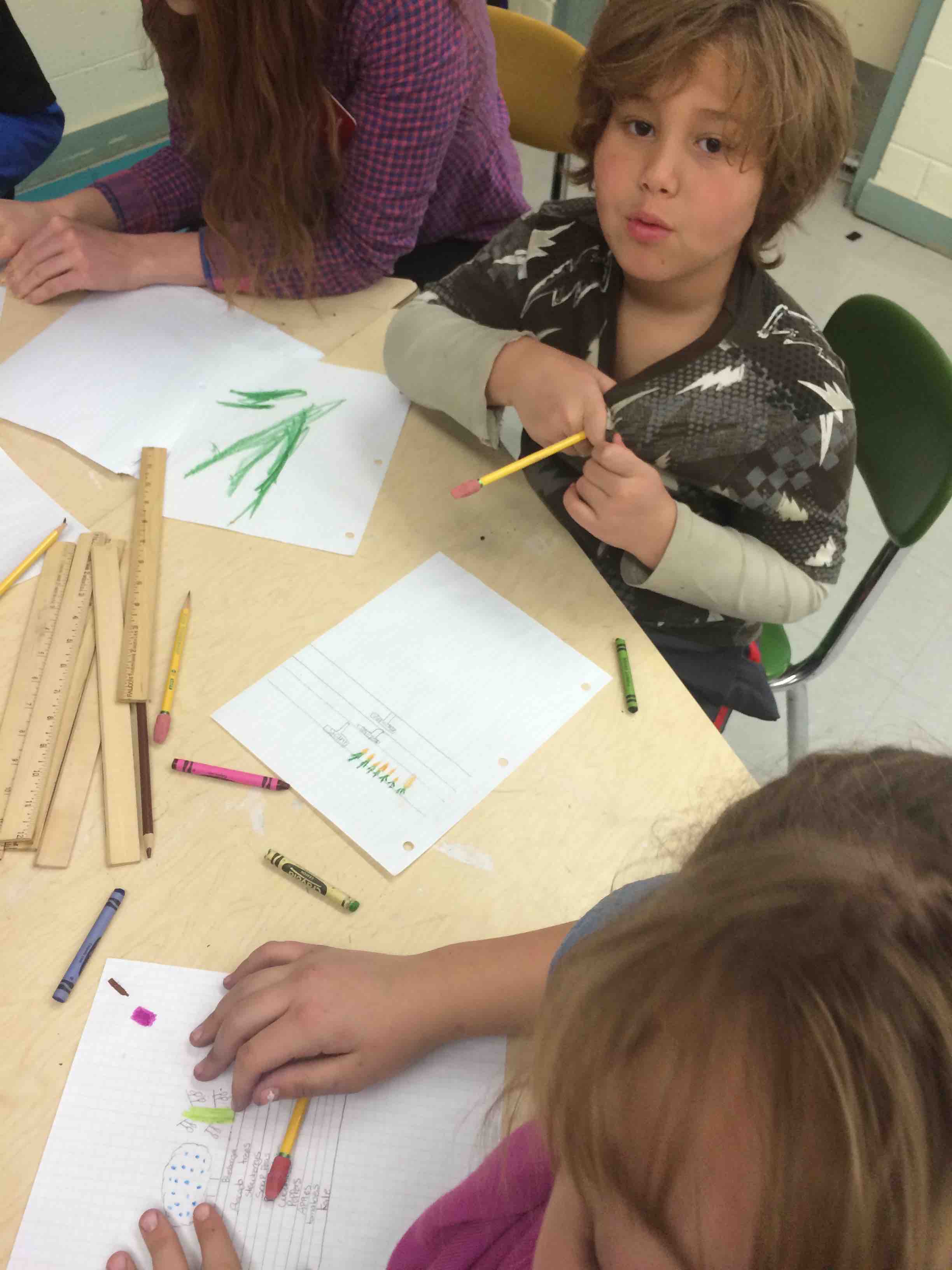
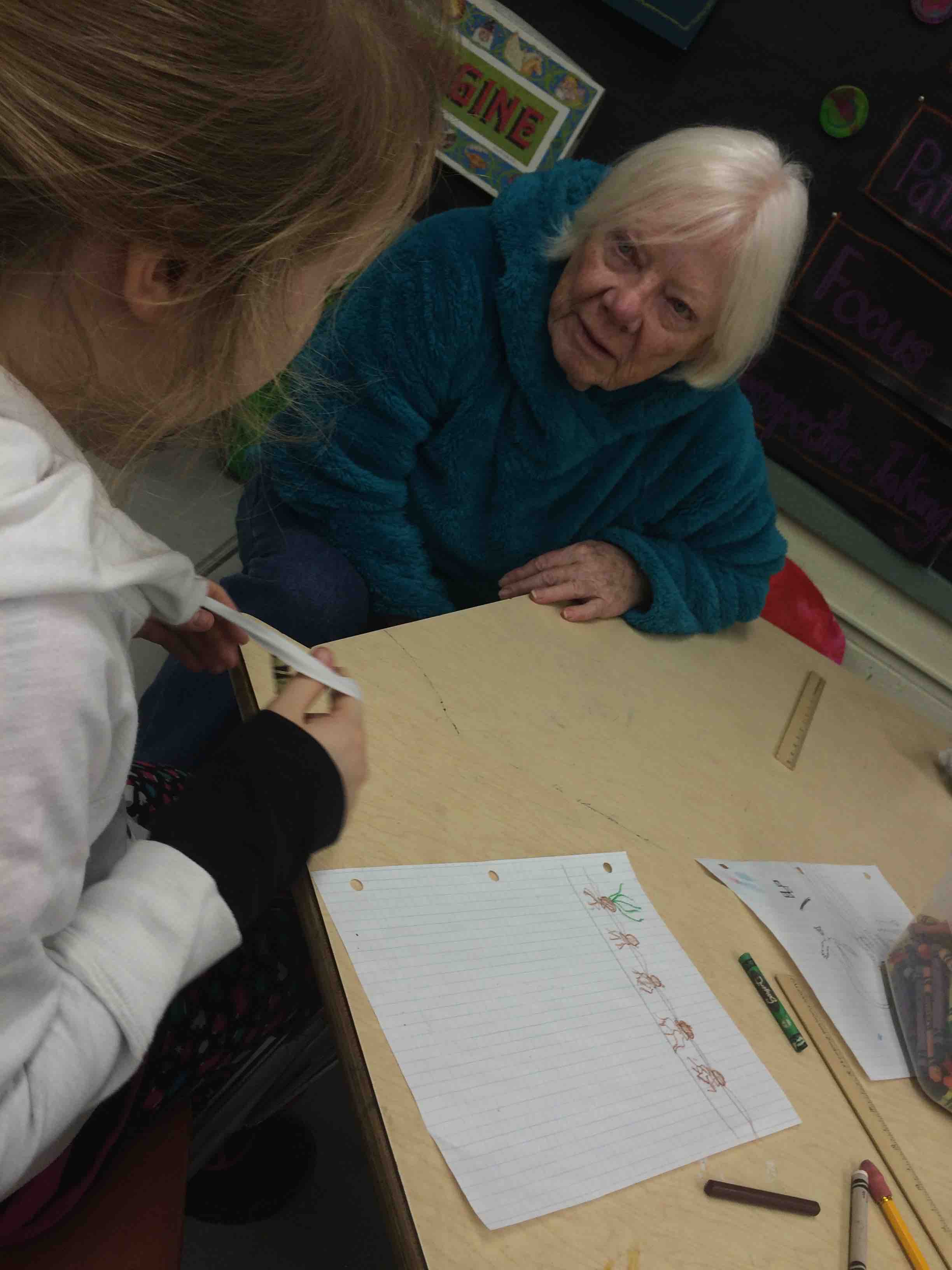
Second graders had a lesson in designing, writing and cooking early this month! Together, they  brainstormed a dream list of what they wanted to include in this year’s garden. Then they got to work  creating garden  designs.  Some of them were very impressive. We used group discussion and seed catalogs to inspire their creations. Students were challenged to write purposefully about their drawings using a ‘hook’ to encourage their audience to read through their pieces. They also had to check in on their use of details and punctuation. All in all, this kept them  dreaming and focused  while small groups went to the kitchen to create pizzas for the class. You could hear the quiet buzz as they worked and shared their garden plans with each other. See examples of their writing below. it’s also on display in the hallway at school. (Click on any image to enlarge.)

Ann BT class garden dreaming writinggarden designgarden writingHow would you like to see my garden?Have you ever made a dream garden?


Meanwhile, in the kitchen, we remembered last years’ tomatoes, garlic and basil……

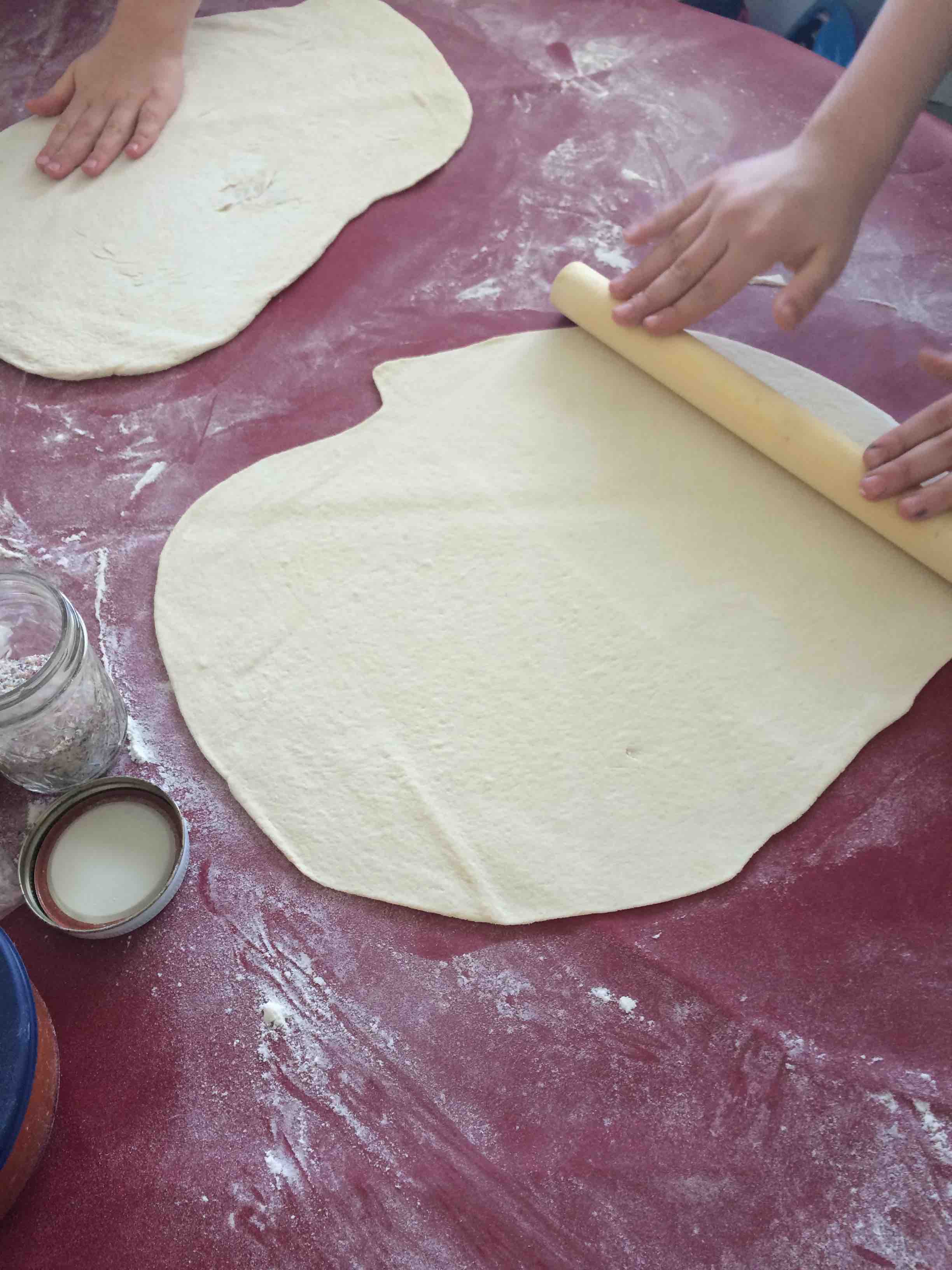
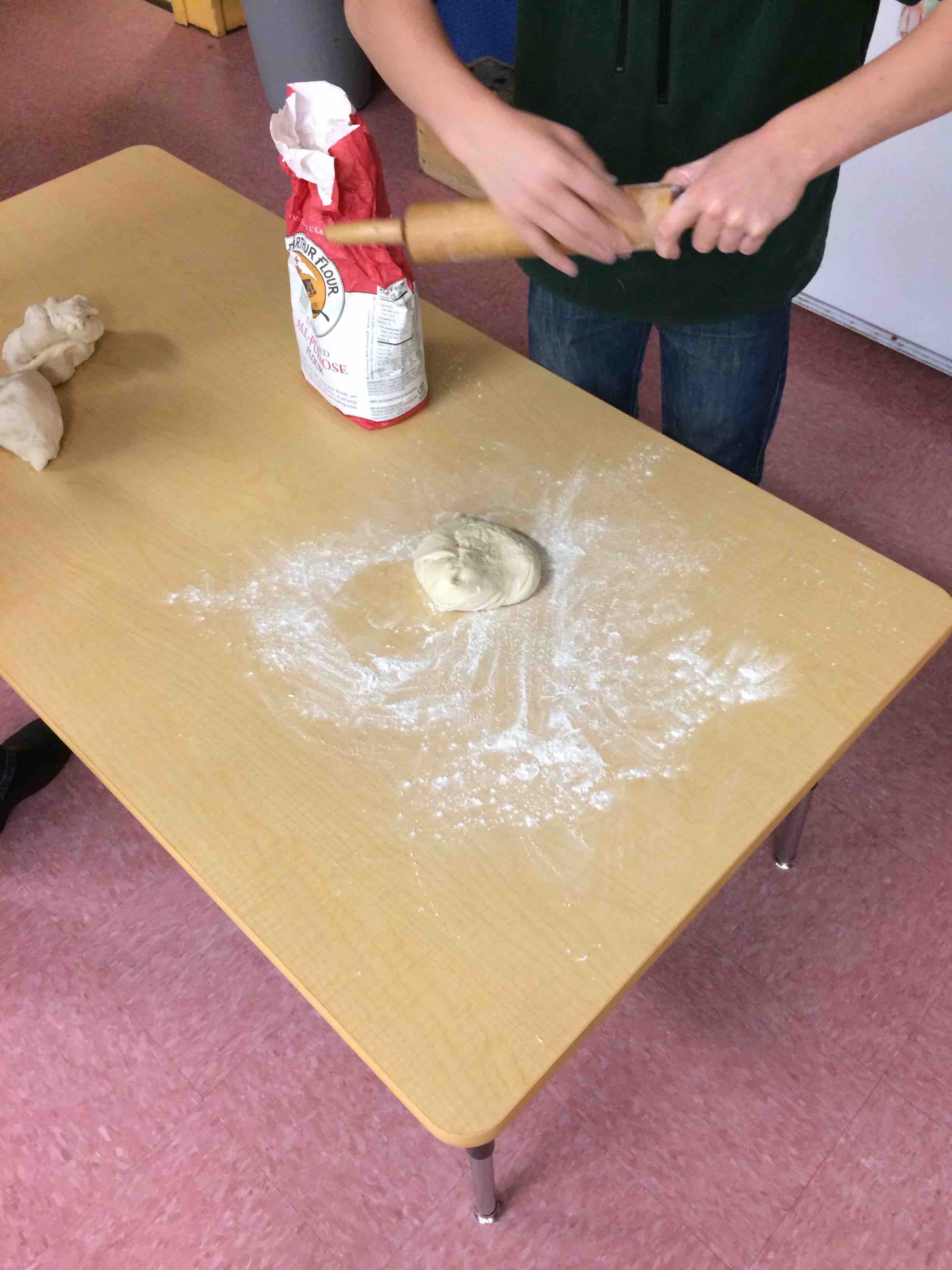
rolling doughpizzza sauce spreadingdisplaying pizza ingredients


Click here for Recipes:  Homemade Pizza Dough Recipe  PIZZA TOPPINGS


Leave a comment

Grinding Corn Into Meal: What’s Physics Got to do With it?

kernels into mill

kernels into mill

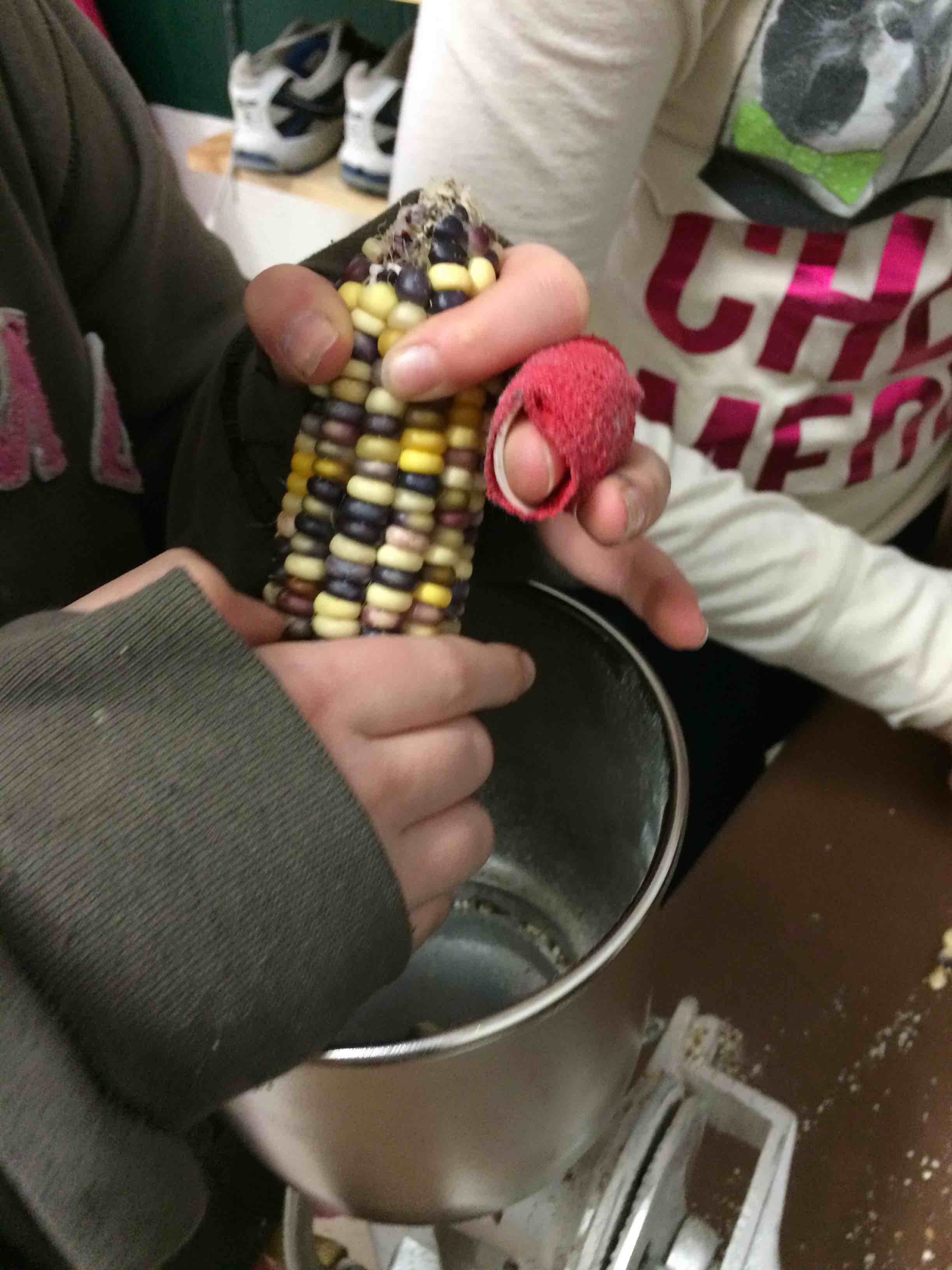
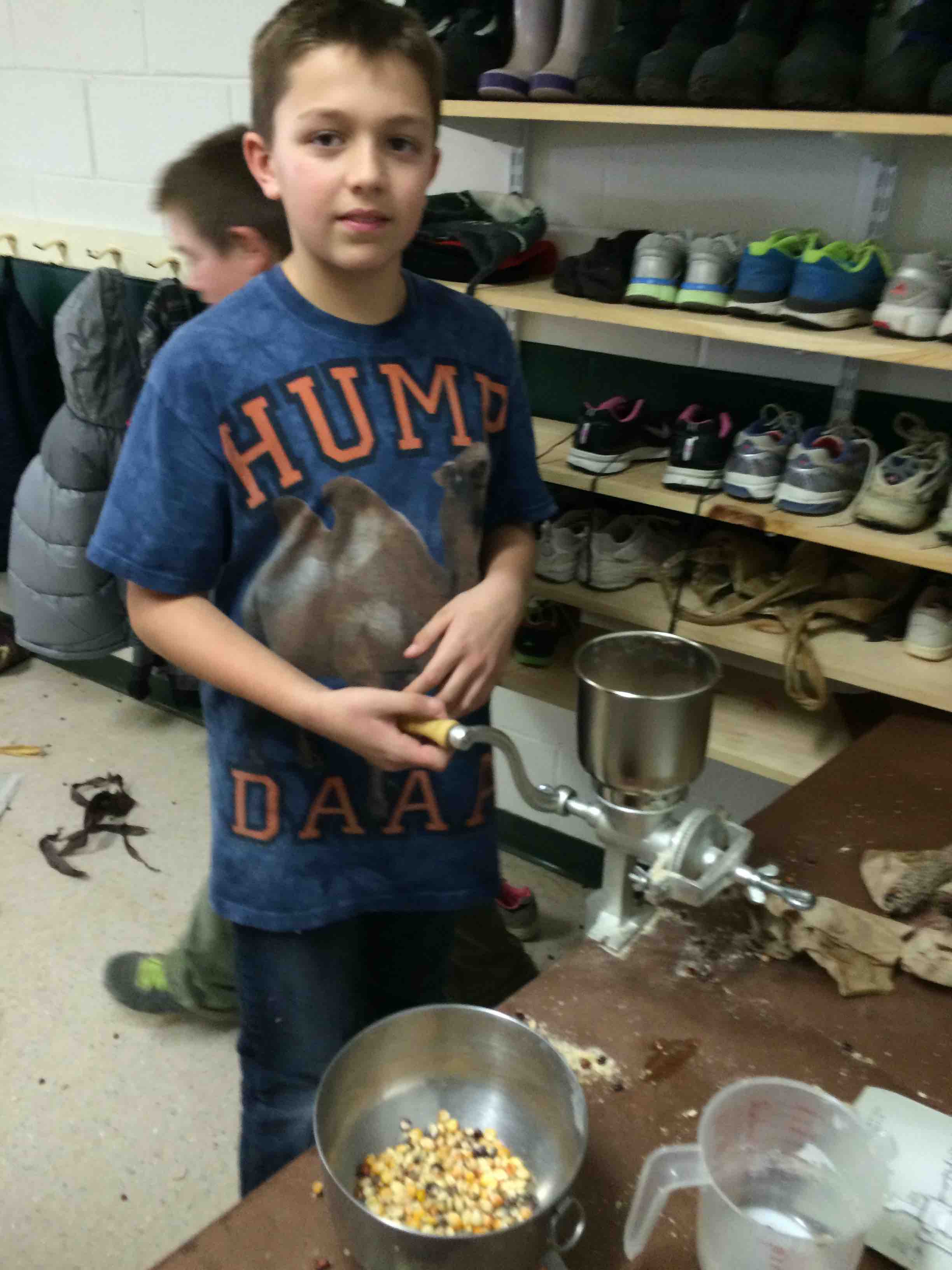
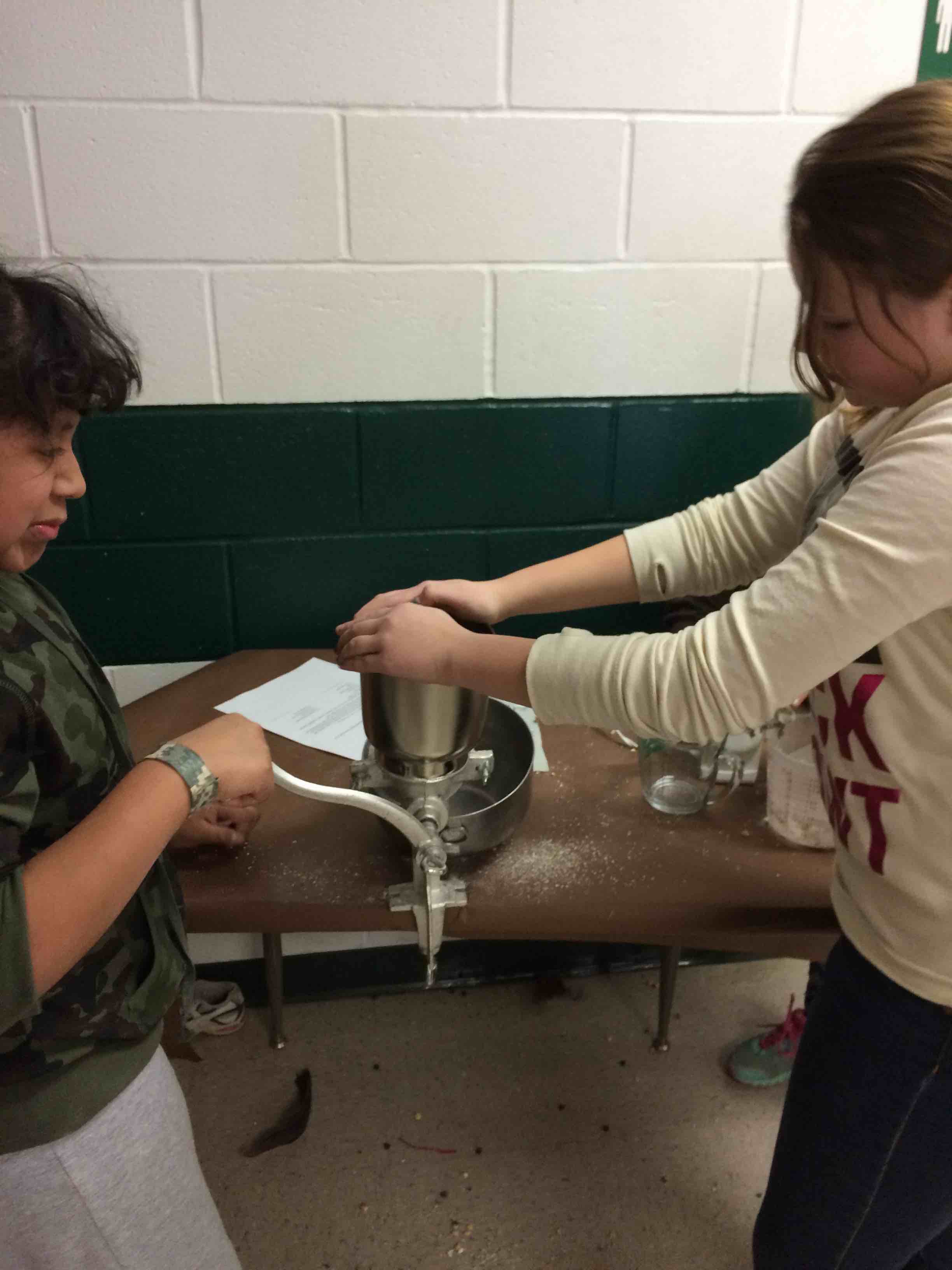
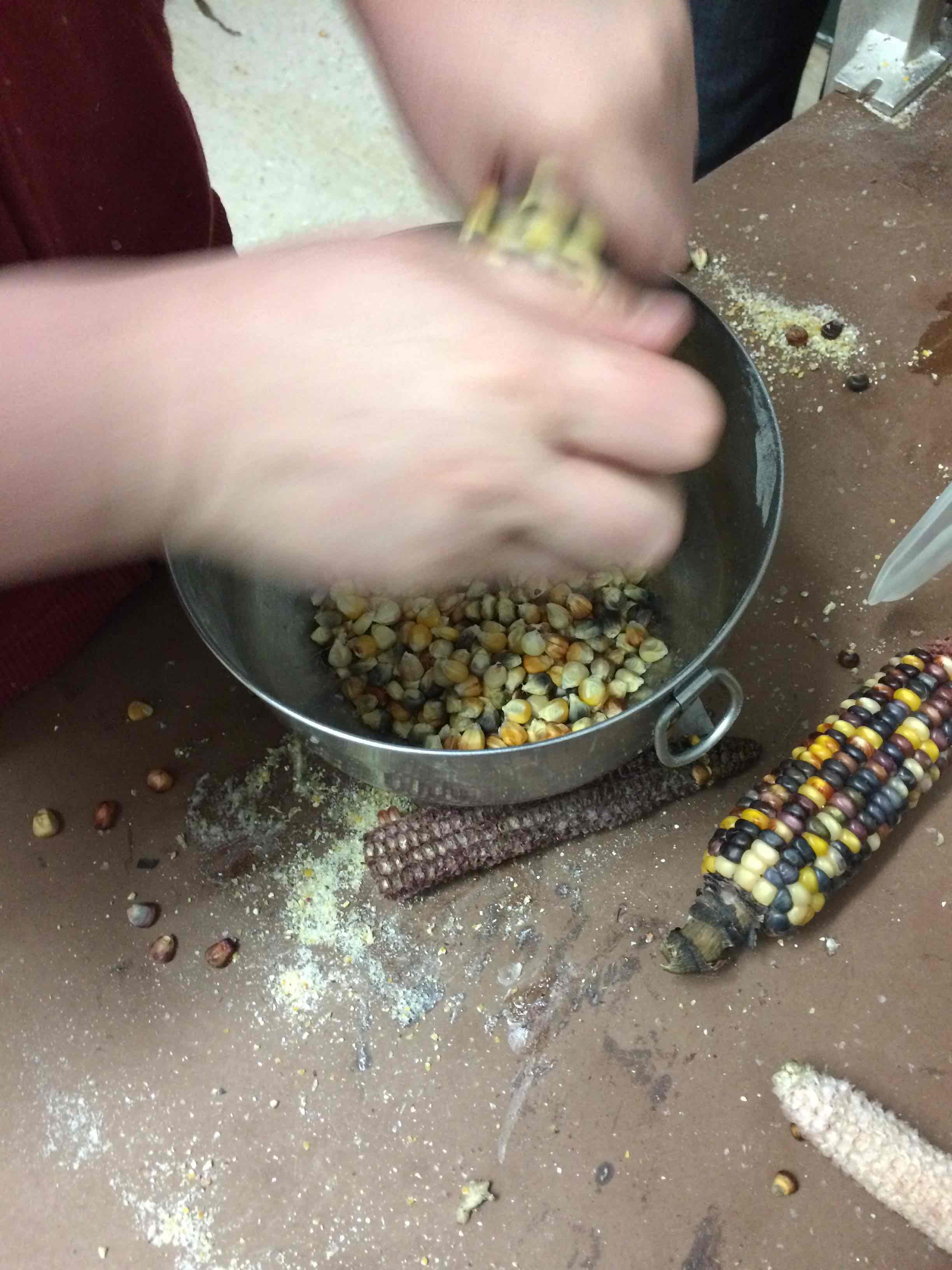
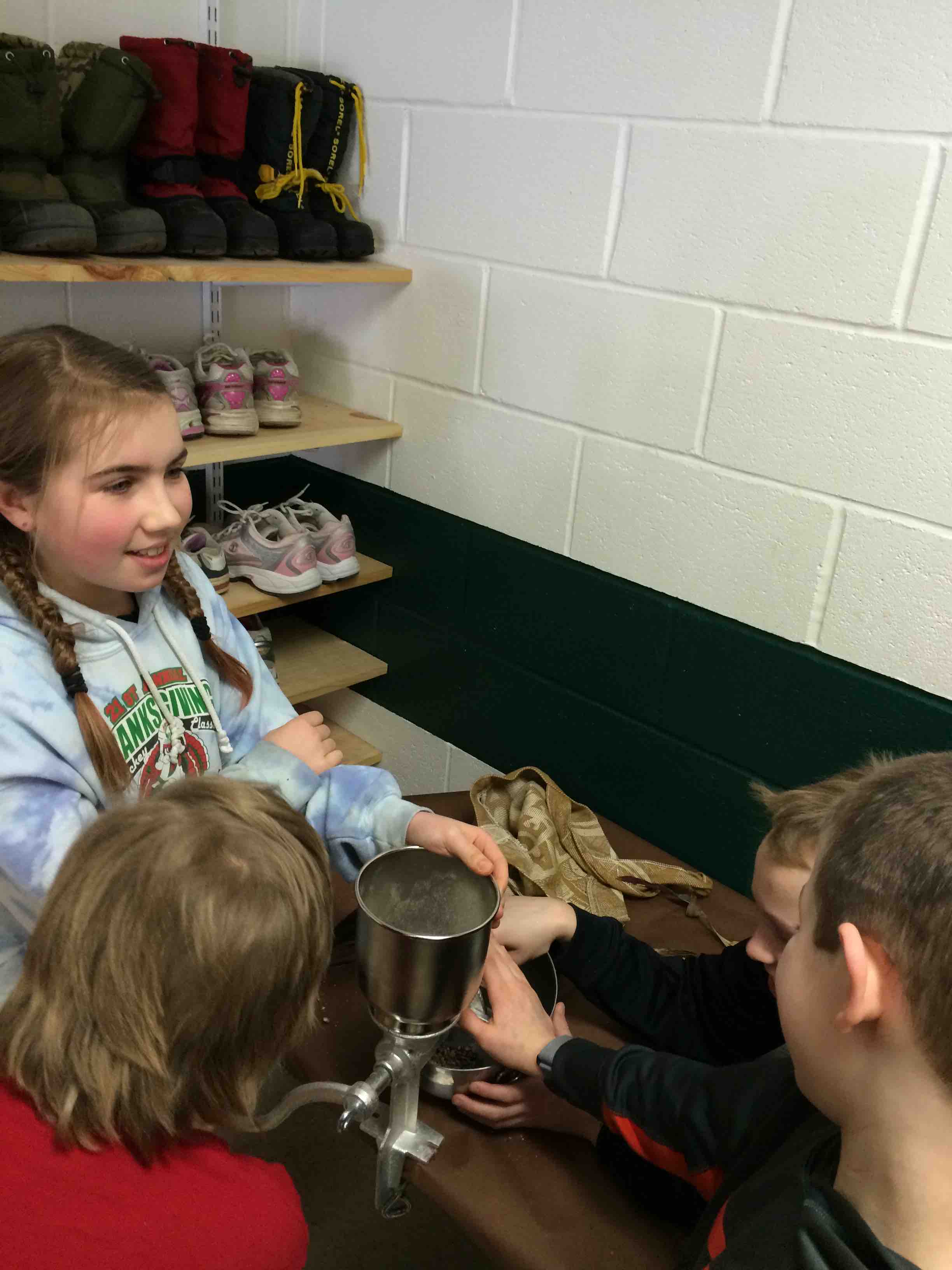
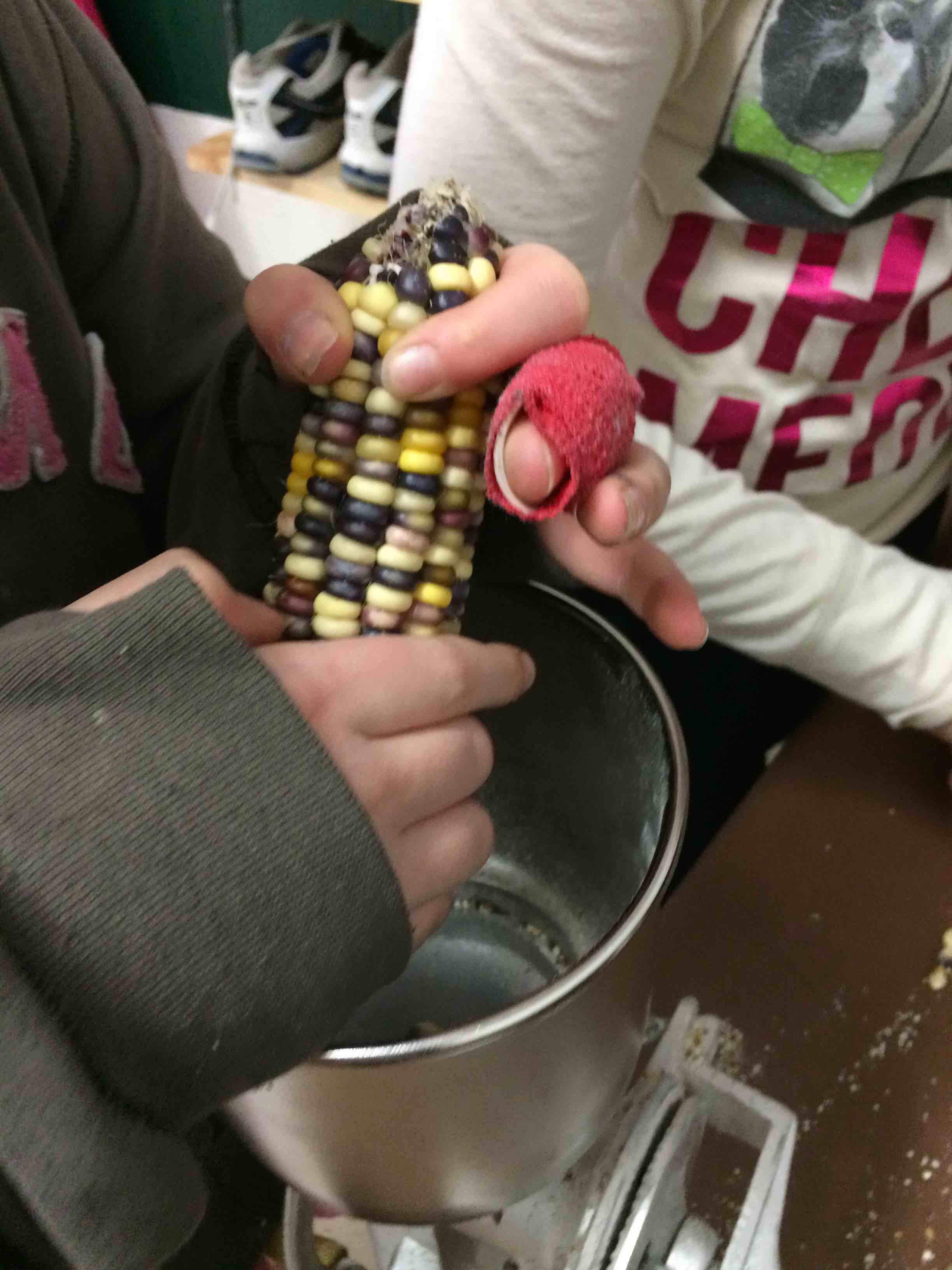
If you could look down into this hand crank mill, you would see an auger-like screw that feeds the hard flint corn kernels into the two grinding plates. Students in the fifth grade learned how this machine works and compared it to familiar uses (like the auger used to drill holes for ice fishing, or a farm combine). A quick ancient history lesson and a new/old term for the machine: the “Archemedean Screw,” accompanied a short physics lesson:

The Archimedean screw is an example of simple machine application that has survived the ages to fit diverse products in the modern era. Historians date the first evidence of Archimedean screw use around 250 B.C., and it is so-named because tradition suggests it was invented by the Syracusan natural philosopher and scientist Archimedes.

Archimedean screws are generally used to transport material. An irrigation system is a good example of this mechanism. A screw can be positioned over a reservoir. When it spins, water is pushed up the length of the screw to the end of the threads, where it is deposited, generally over an arid, planted land. Other liquids use Archimedes screws as well. A combine, which is used on farms to harvest crops like grains and hay, is essentially a horizontal Archimedes screw that grabs the plants from the ground and feeds them into a container. In these instances, an Archimedes screw will be called a “screw conveyor,” but it is basically the same.

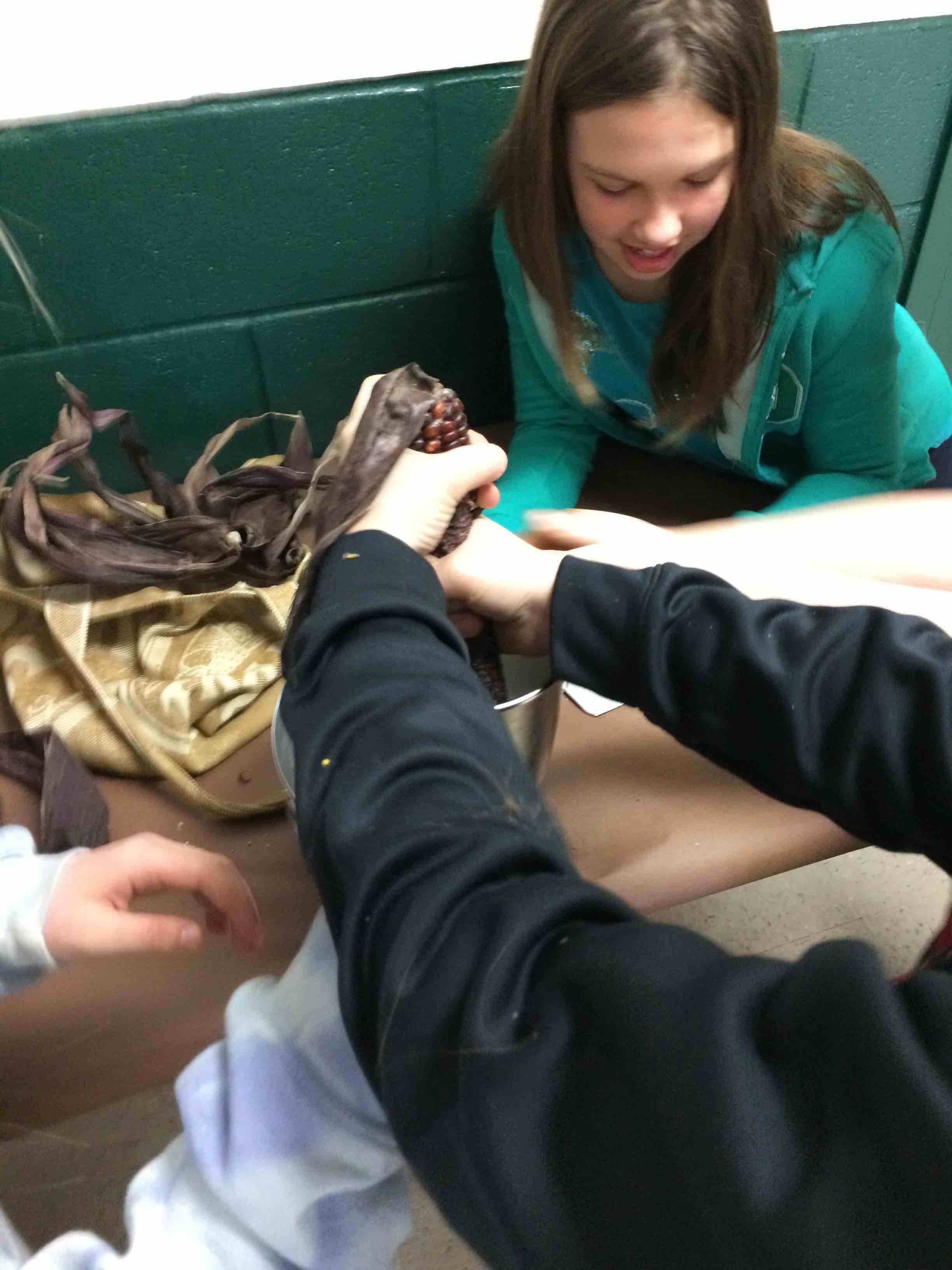
While they played with the name ‘Archemedean,’ fifth graders helped each other to hold the mill in place. Together they ground more than enough flint corn from our garden to make cornbread for their class. The recipe follows:

click here: Grandmother’s Cornbread

grinding flint corn kernels

grinding flint corn kernels

Group effort

Group effort

keeping the meal in the bowl

keeping the meal in the bowl

kernels off cobb

kernels off cobb

taking turns

taking turns

kernels into mill

kernels into mill

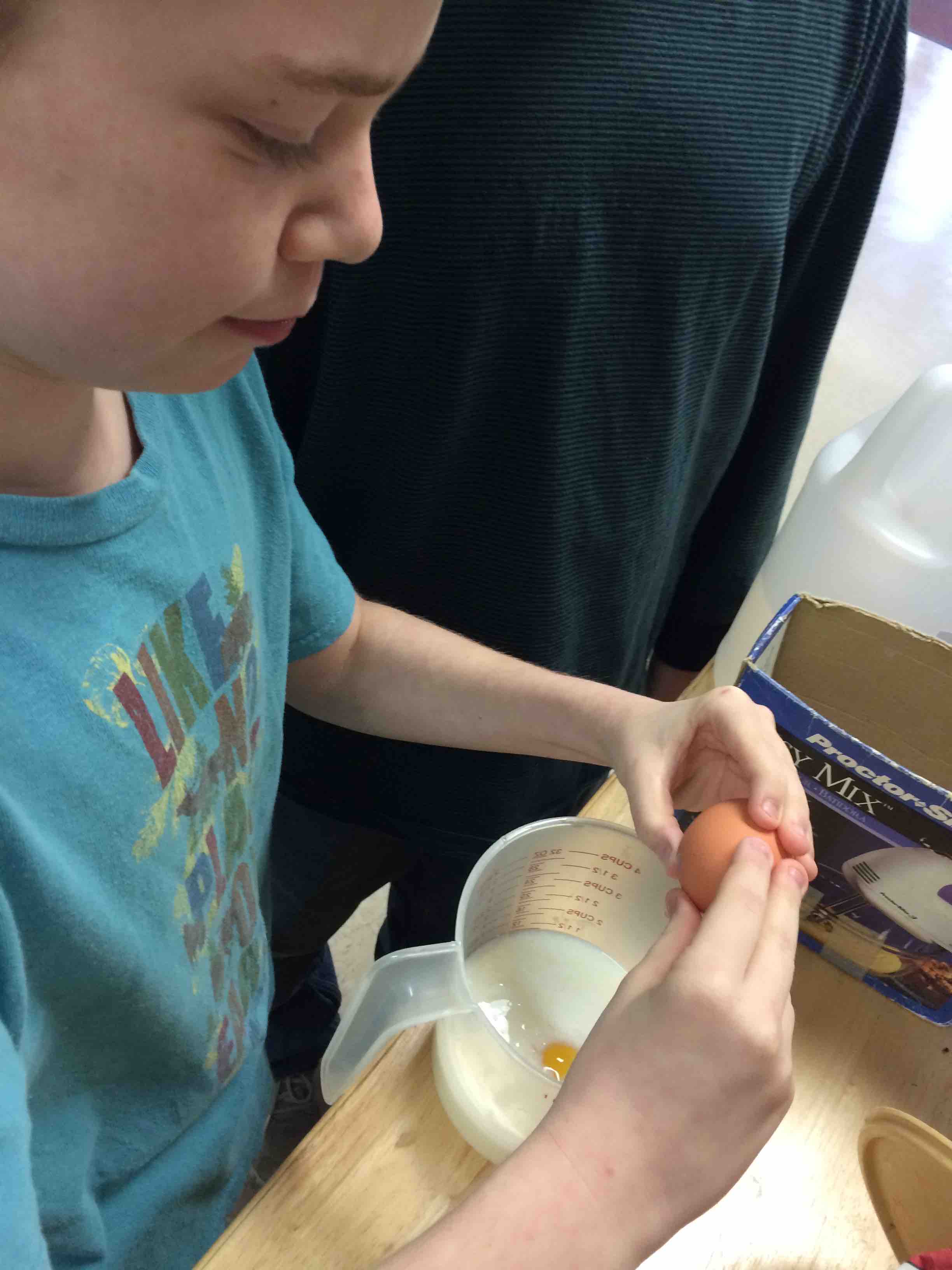
cracking eggs, delicate work

cracking eggs, delicate work

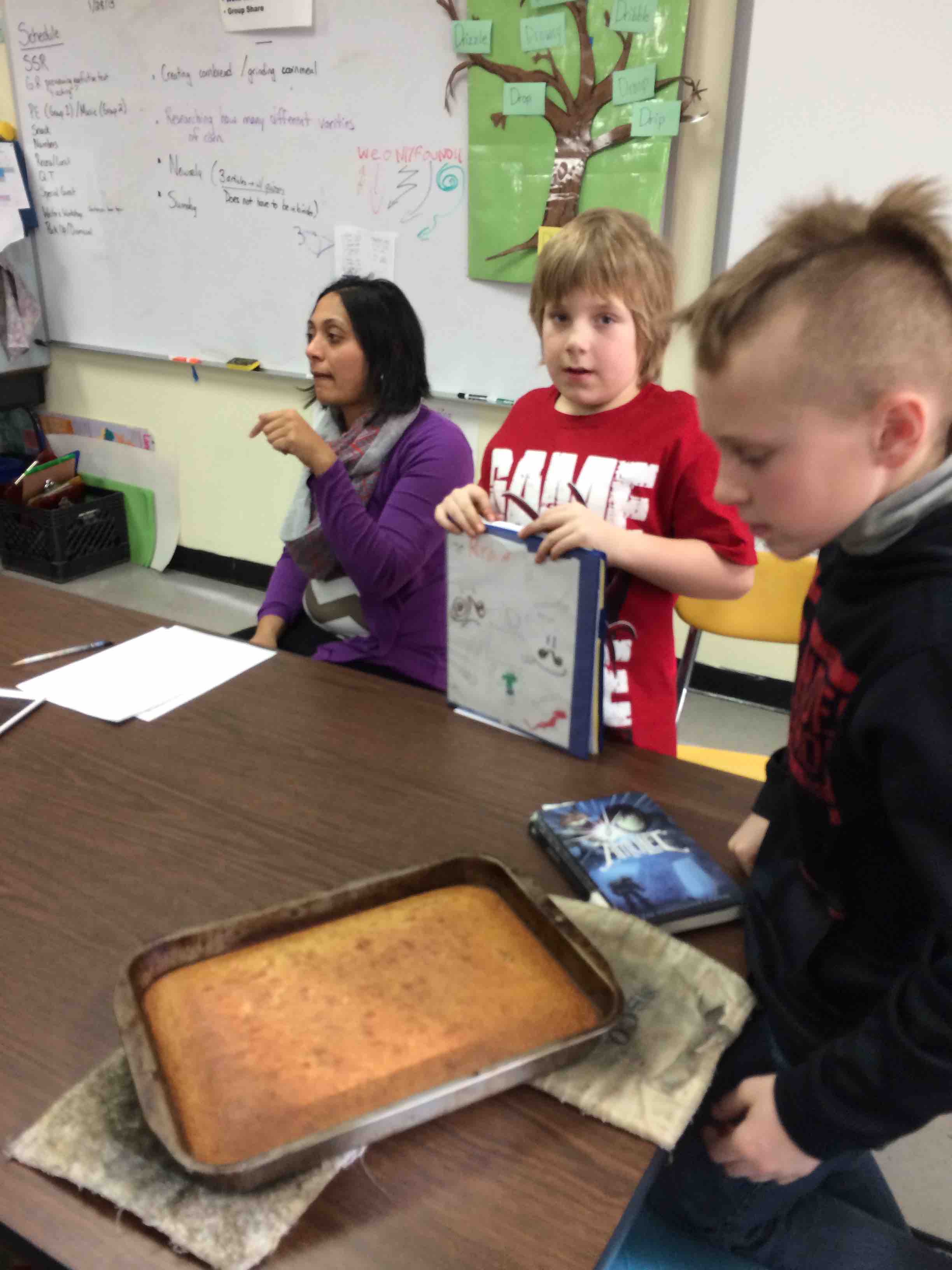
Finished cornbread

finished cornbread


Leave a comment

Let the Garden Dreaming Begin

creating garden designs

creating garden designs

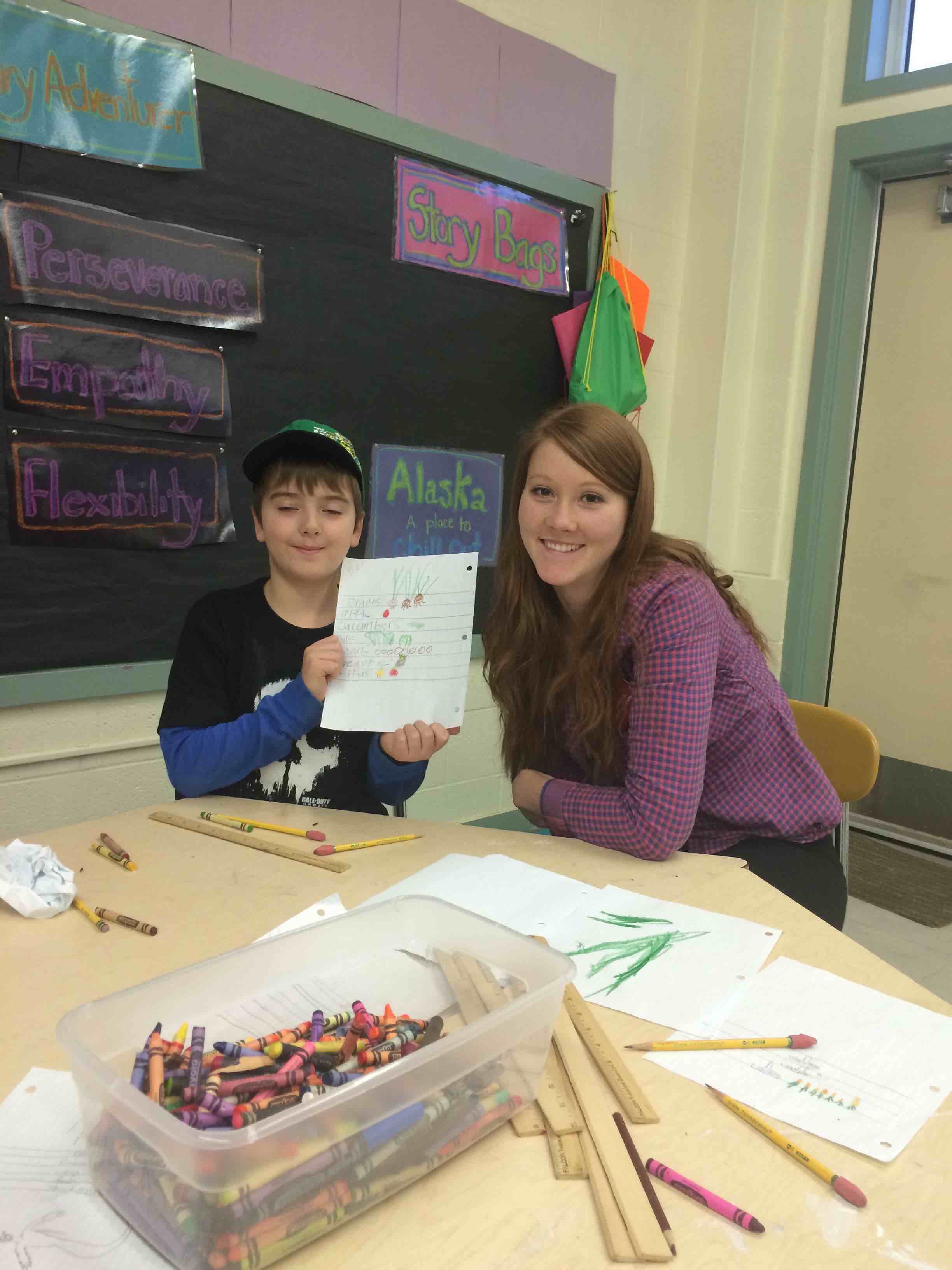
While our Vermont garden sleeps under a blanket of deep snow, the children at school are creating their dream designs for Planting Day, 2015. We’re also incorporating the wishes of our kitchen chef, Kim Kinney. She’d like more onions, peppers, tomatoes, cucumbers, lettuce, spinach, beets and summer squash. Each developmental age brings its own special style of dreams to our garden planning. Older students made a list of vegetables on a white board for younger students to copy. I’m hoping to enlist as many classes as possible in the planning process. For older children there are opportunities to plan for space and graph to scale. For younger students, thinking about whether to draw vegetables growing above or under the ground might be challenge enough. For all children this presents a real world chance to create a dream plan in written form and to share it with their peers.

Kathleen and Katalina'sdesign

Kathleen and Katalina’s design

Casie and Ben's design

Casie and Ben’s design


Helping this week are our Master Gardener candidate, Kathleen Hacker and a new summer Keene State College Dietician intern, Casie Reynolds. Casie and another student intern will be working with children during our summer school program in July and August 2015.

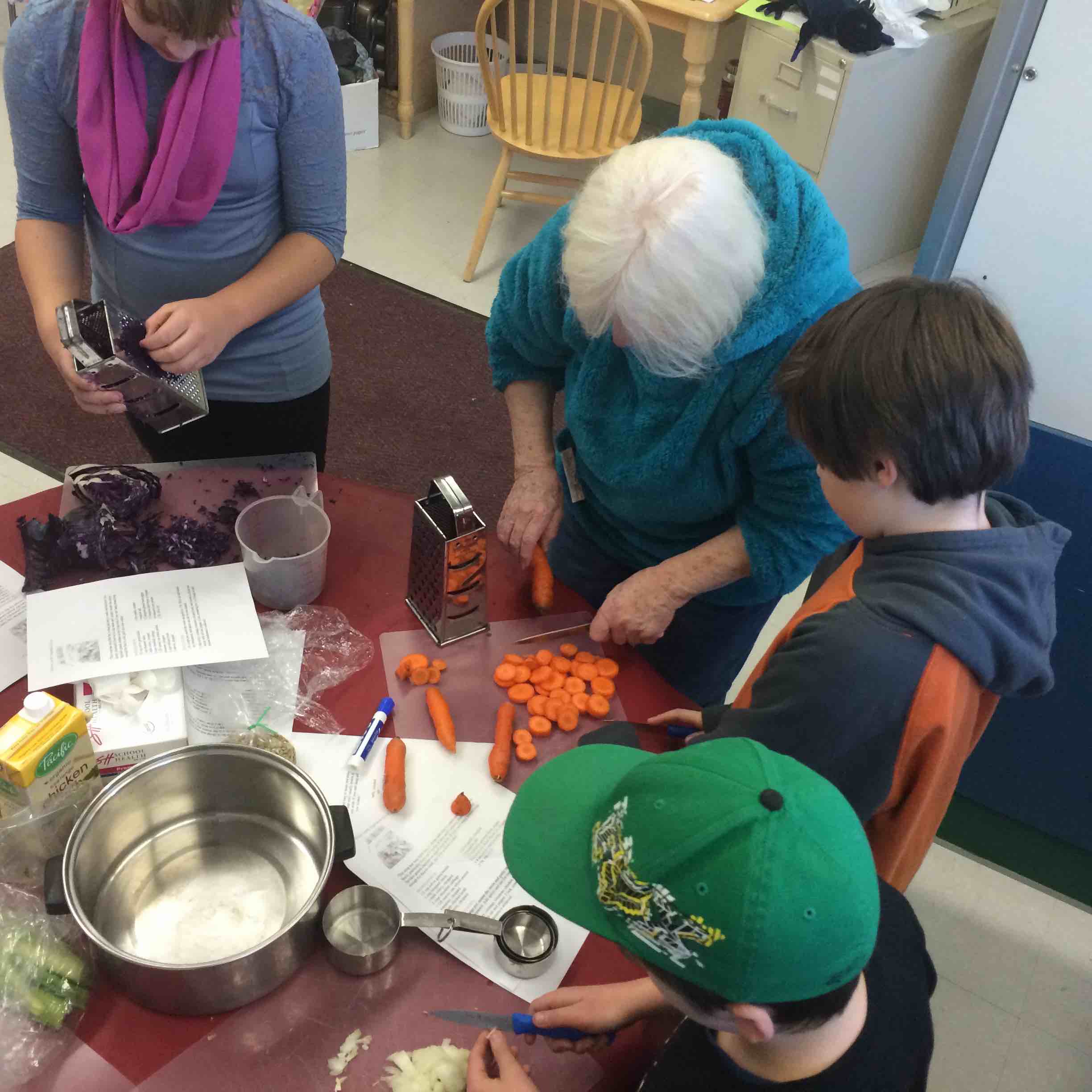
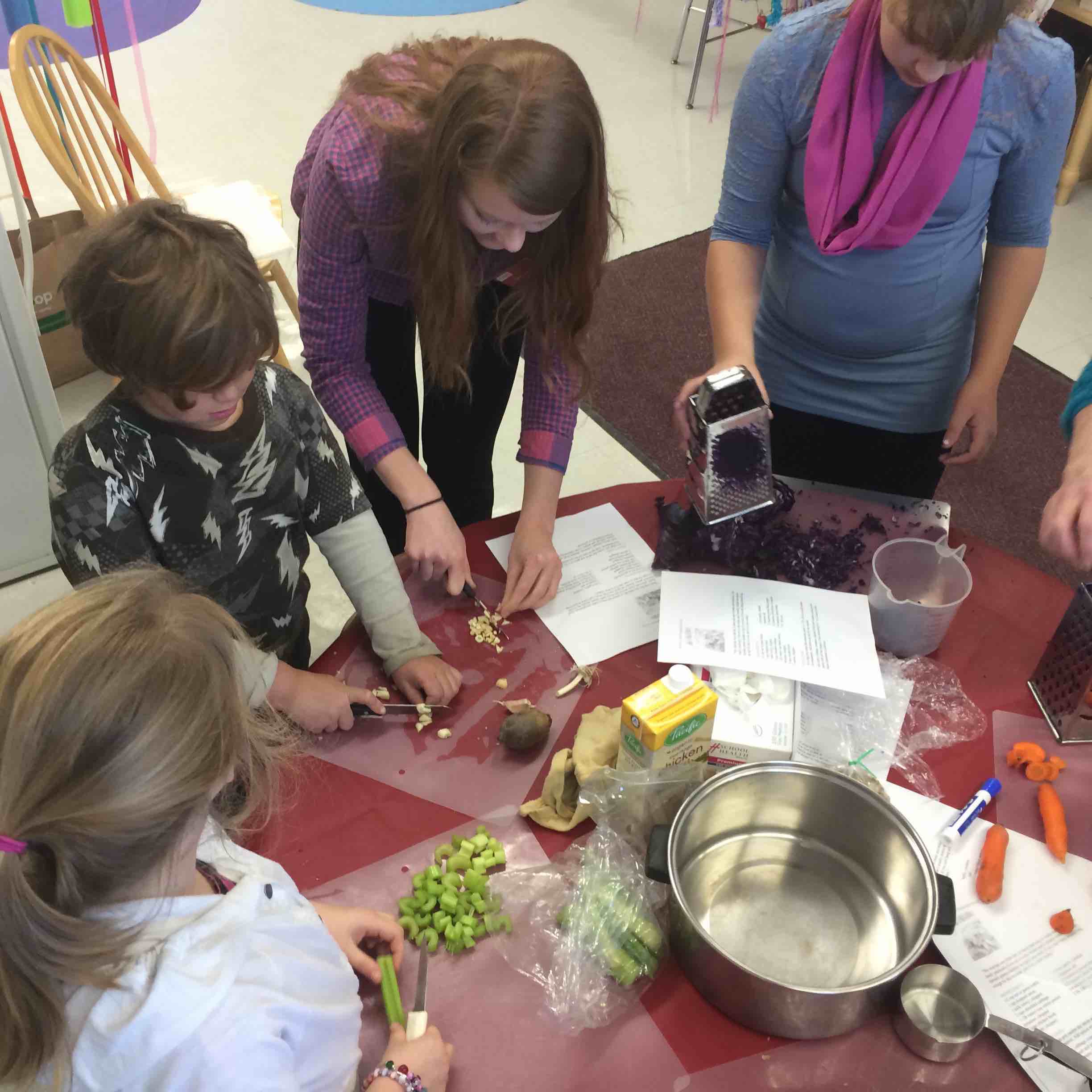
Before we began our garden maps, students and teachers created a low cost delicious lentil soup using some of our own garden onions, garlic, carrots and tomatoes and a few locally grown veggies. (See recipe below)

Recipe: Winter Lentil Vegetable Soup

Chopping veggies

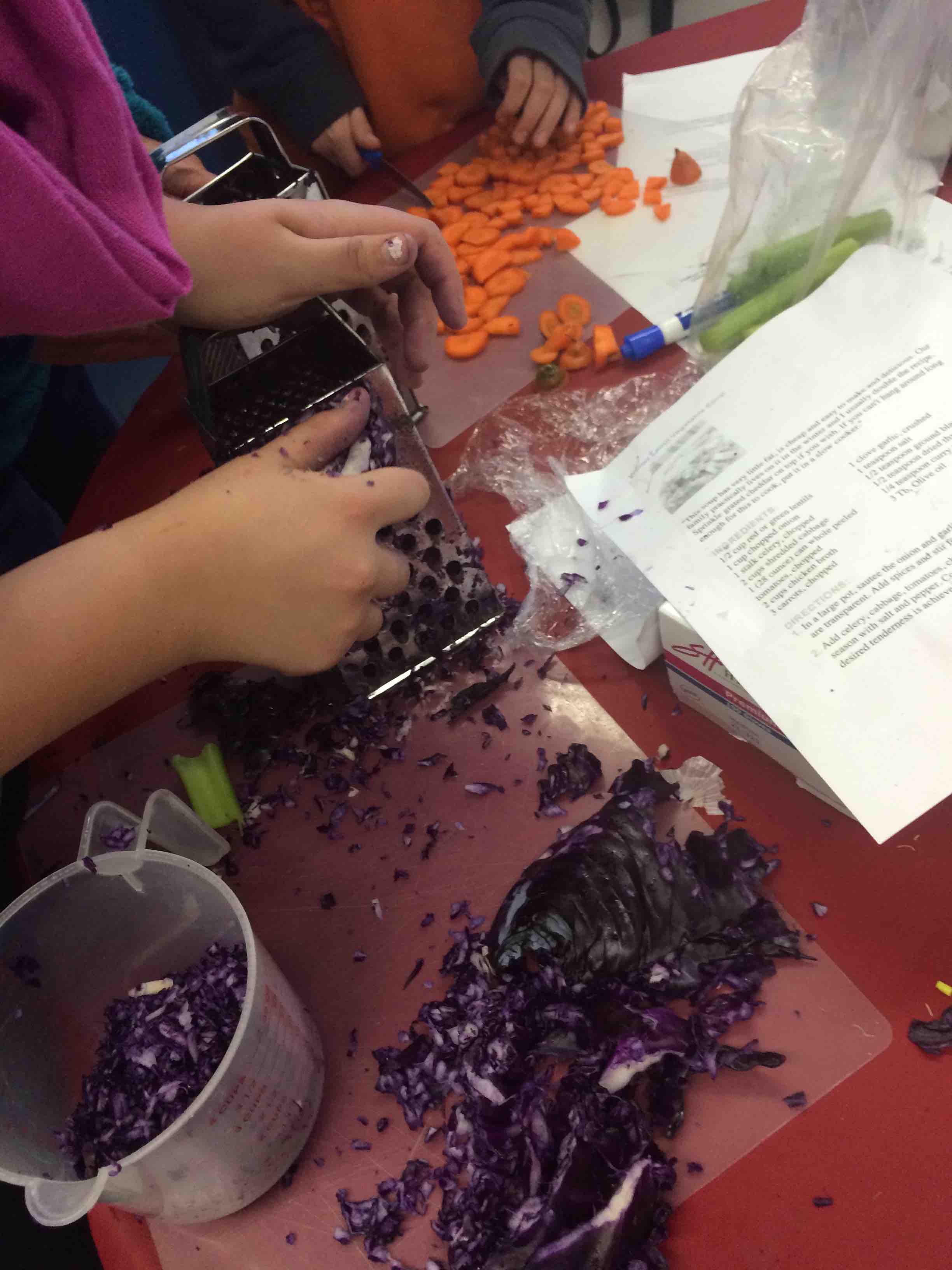
dicing veggiesgrating cabbage


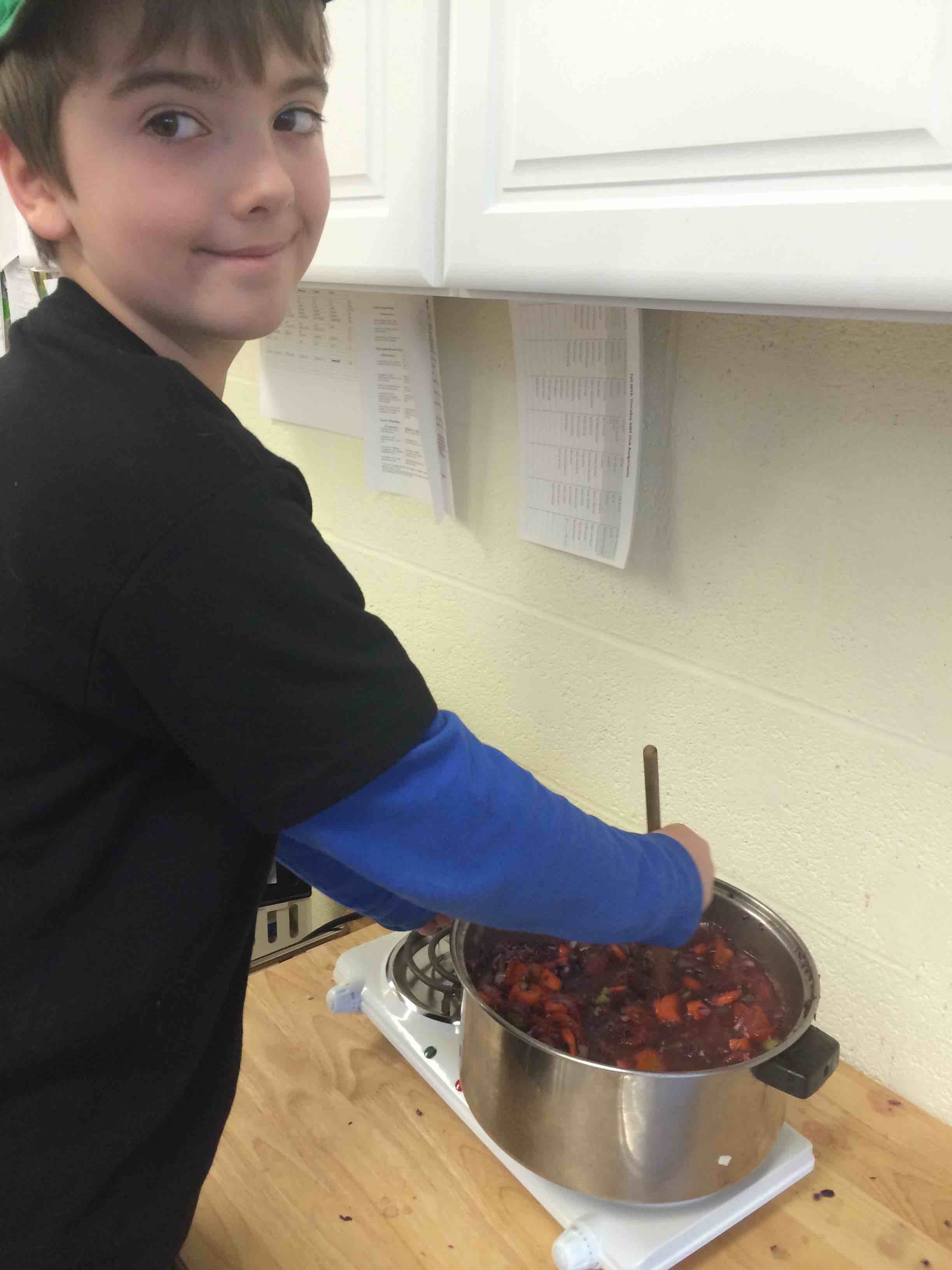
stirring the soup

stirring the soup


Leave a comment

POTATO PANCAKES IN DECEMBER

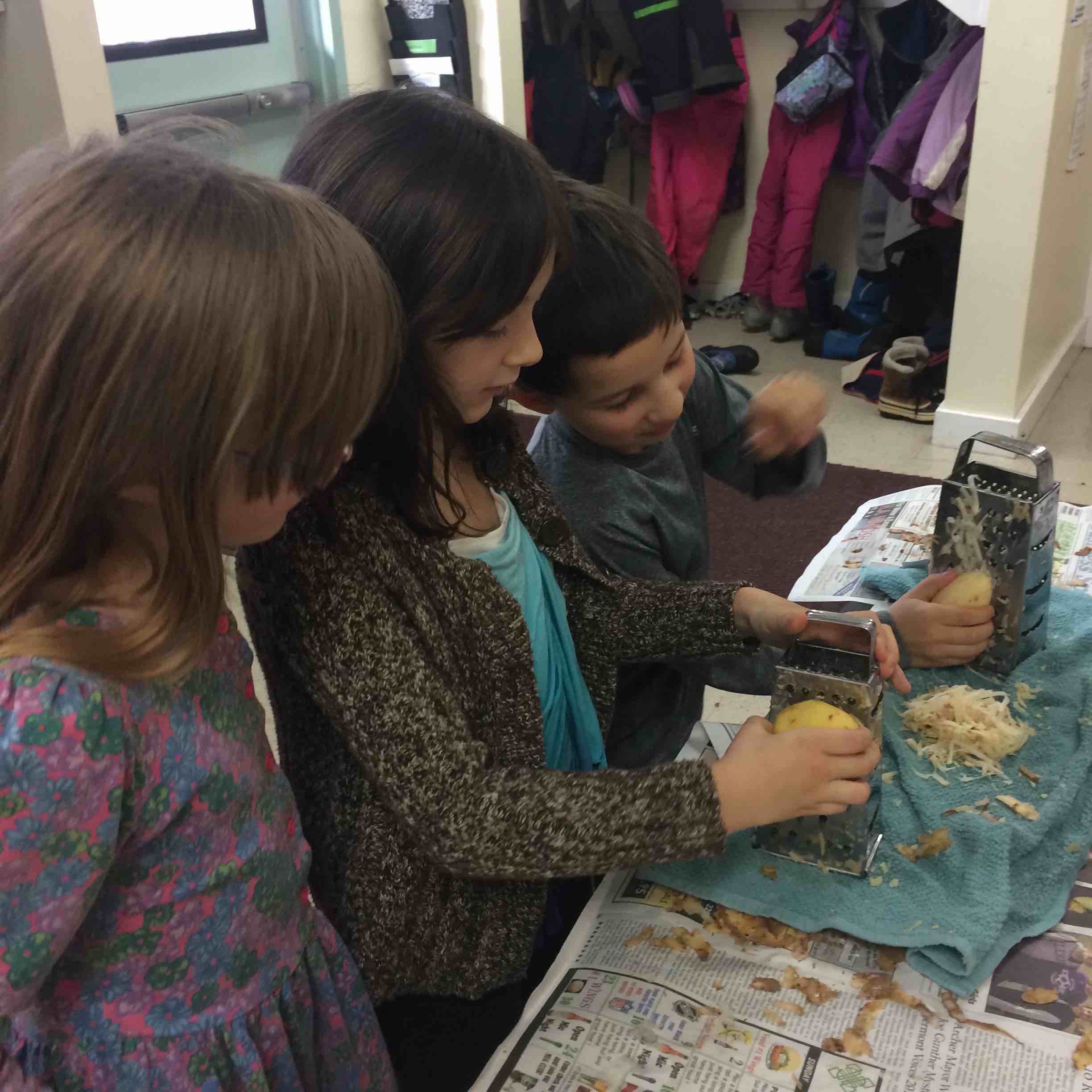
Grating potato

Grating potato

It’s lots of fun to grate potatoes and crack eggs, but the real fun is in gobbling up these mid-winter treats. Potato pancakes are associated with cuisines of many European and Middle Eastern century-old traditions including Austrian (as Kartoffelpuffer or “Erdäpfelpuffer”), Belarusian (as дранікі draniki), Czech (as bramborák or cmunda), German (as Kartoffelpuffer or Reibekuchen), Hungarian (as tócsni and other names), Iranian, Jewish (as latkes or latkas, Yiddish: לאַטקעס, Hebrew: לביבה levivah, plural לביבות levivot), Latvian (as kartupeļu pankūkas), Lithuanian (as bulviniai blynai), Luxembourg (Gromperekichelcher), Polish (as placki ziemniaczane), Russian (as draniki, драники), Slovak (as zemiakové placky,haruľa or nálečníky), Ukrainian (as deruny, деруни) and any other cuisines which have adopted similar dishes. It is the national dish of Belarus. In Germany, potato pancakes are eaten either salty (as a side dish) or sweet with apple sauce, blueberries, sugar and cinnamon; they are a very common menu item during outdoor markets and festivals in colder seasons. In Swiss cuisine, the Rösti differs insofar as it never contains egg or flour. It is a traditional favorite in southern Indiana during holiday festivities.

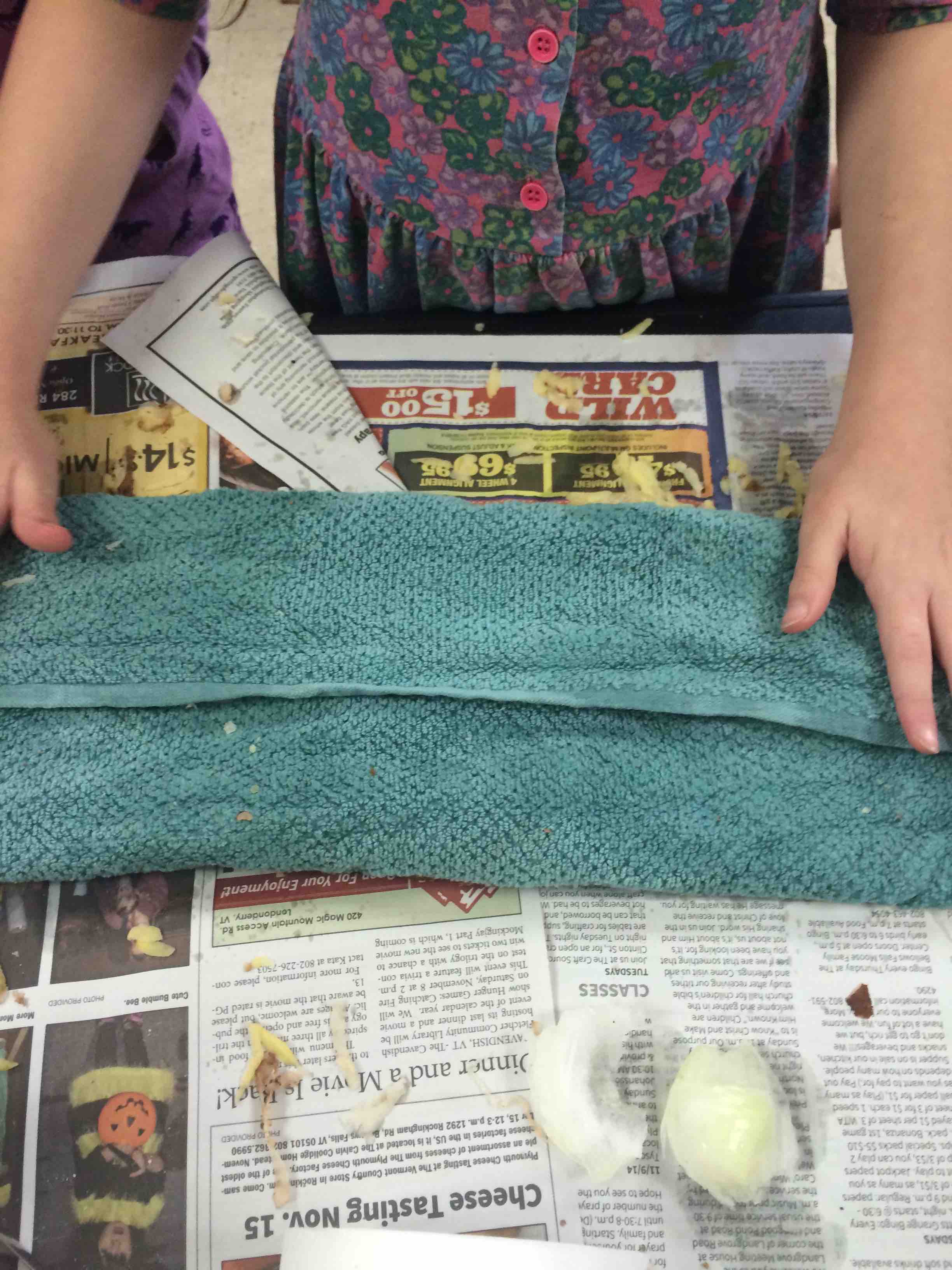
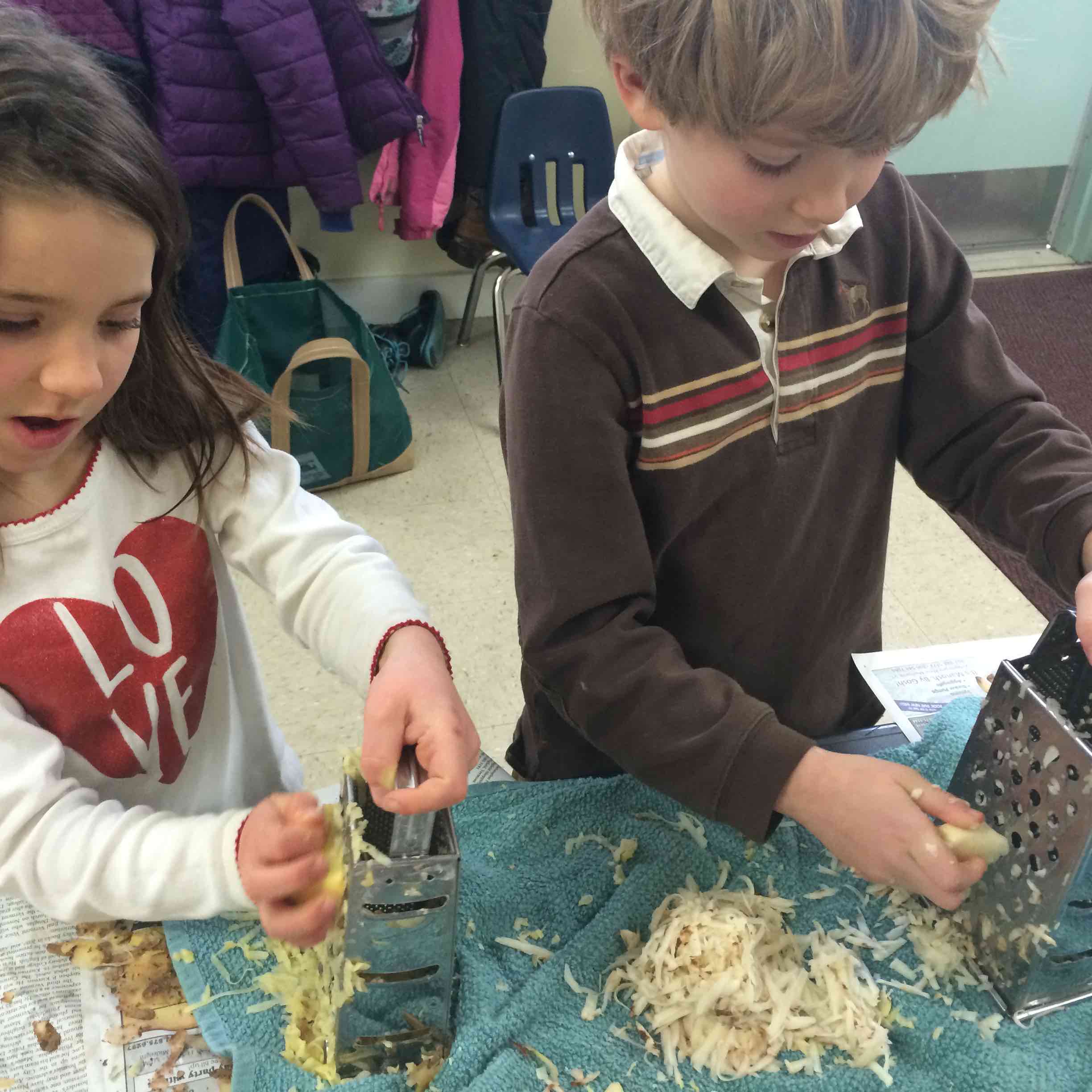
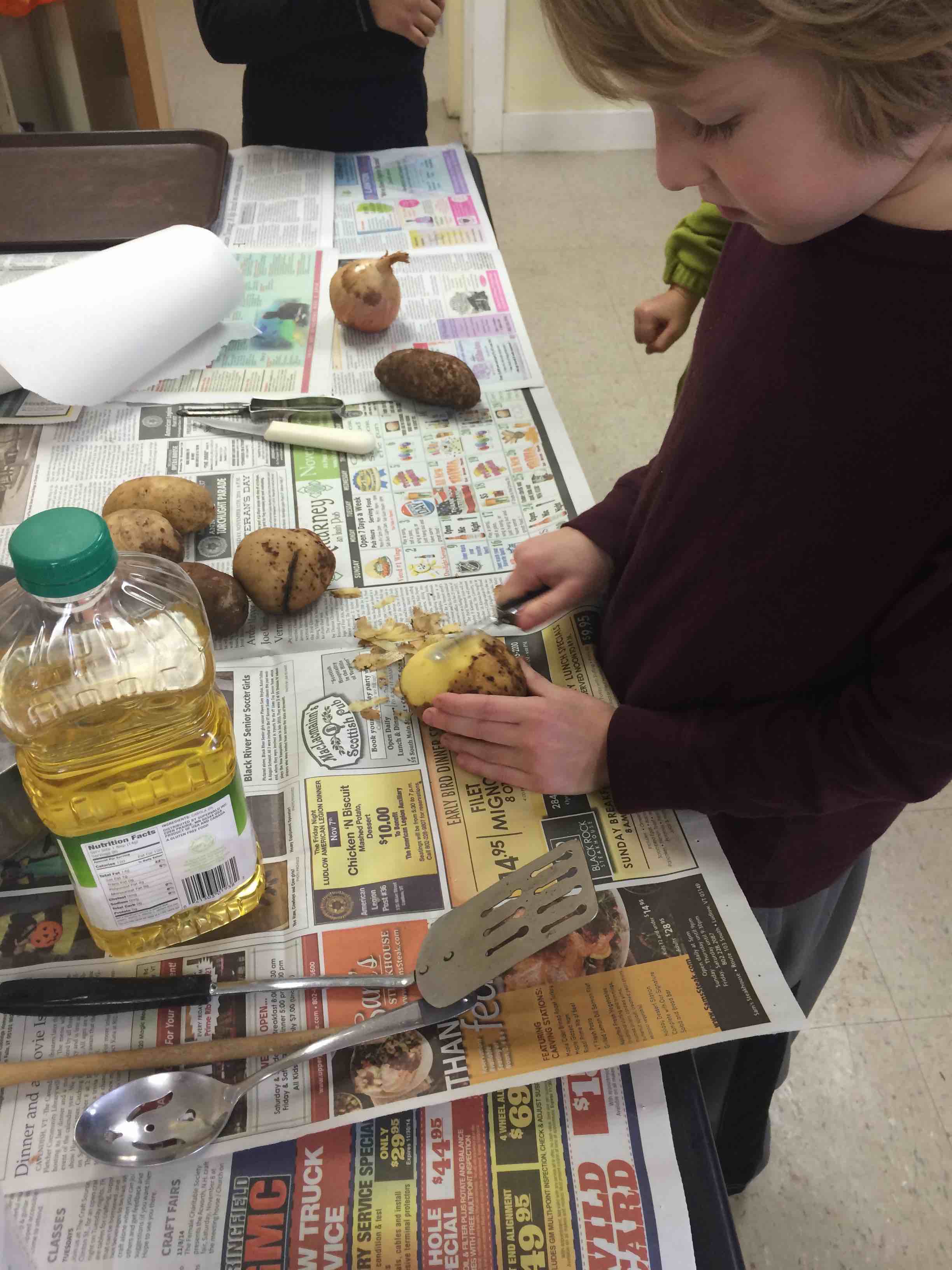
Fried in oil until golden and sometimes served with sour cream and applesauce, there are few children or adults who would refuse a second or third helping. (By the way, our potatoes were grown in our own WCS garden. ) After the potatoes are grated on a clean kitchen towel, it’s interesting for children to see how much water can be squeezed out of them. When the water is removed and eggs, salt , grated onion and a little bit of flour are added, potato pancakes cook quickly to an even golden brown. Click on the recipe below! Here are some more pictures of Emily Clark and Sheryl Miller’s Westminster West students making latkes:

Recipe: Potato Pancakes

drying grated potato

drying grated potato

Grating potatoes

Grating potatoes

using a peeler

using a peeler

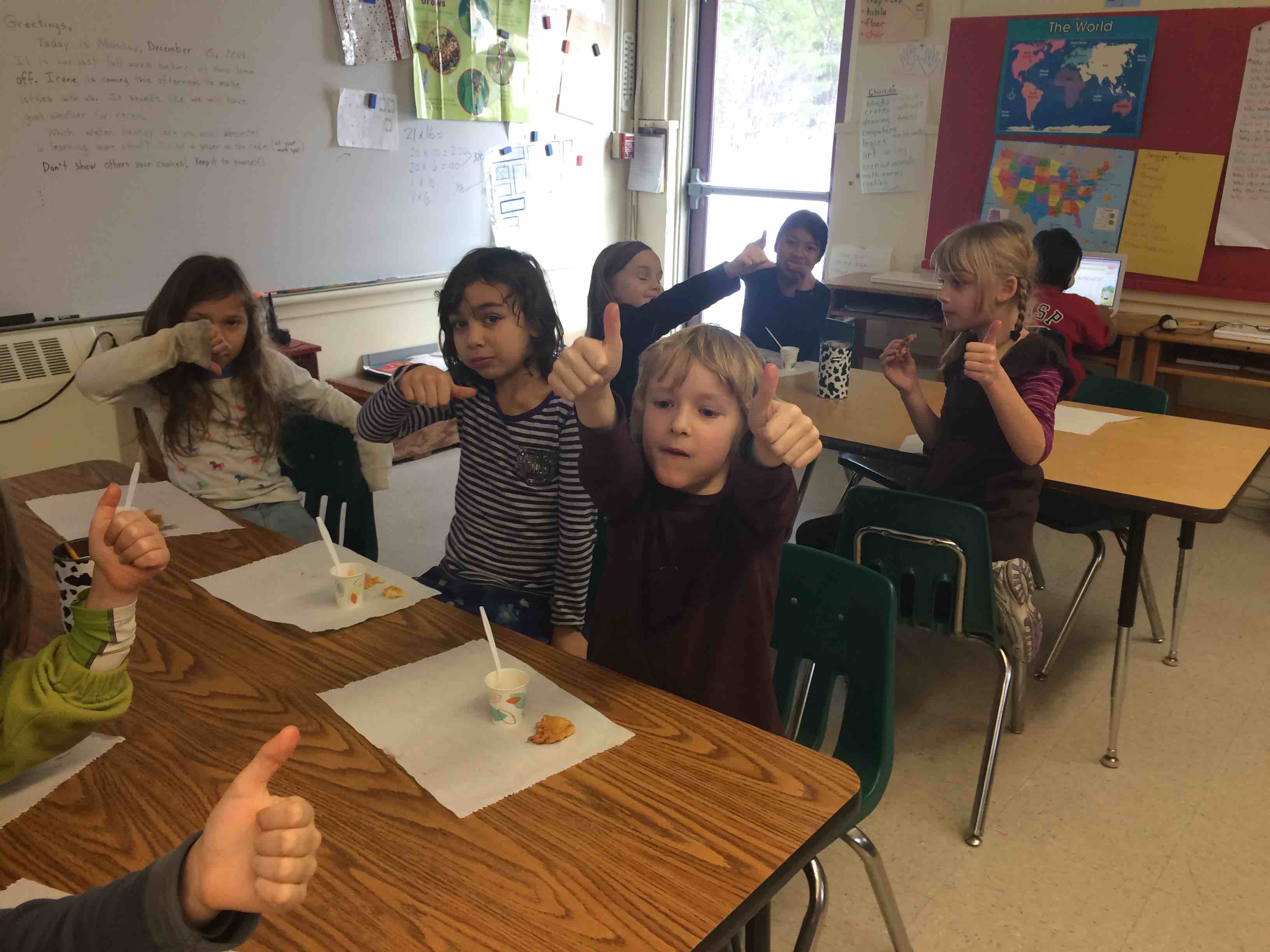
thumbs up for potato pancakes

thumbs up for potato pancakes


1 Comment

Getting the Garden into the Kitchen: Salad Bar Beets

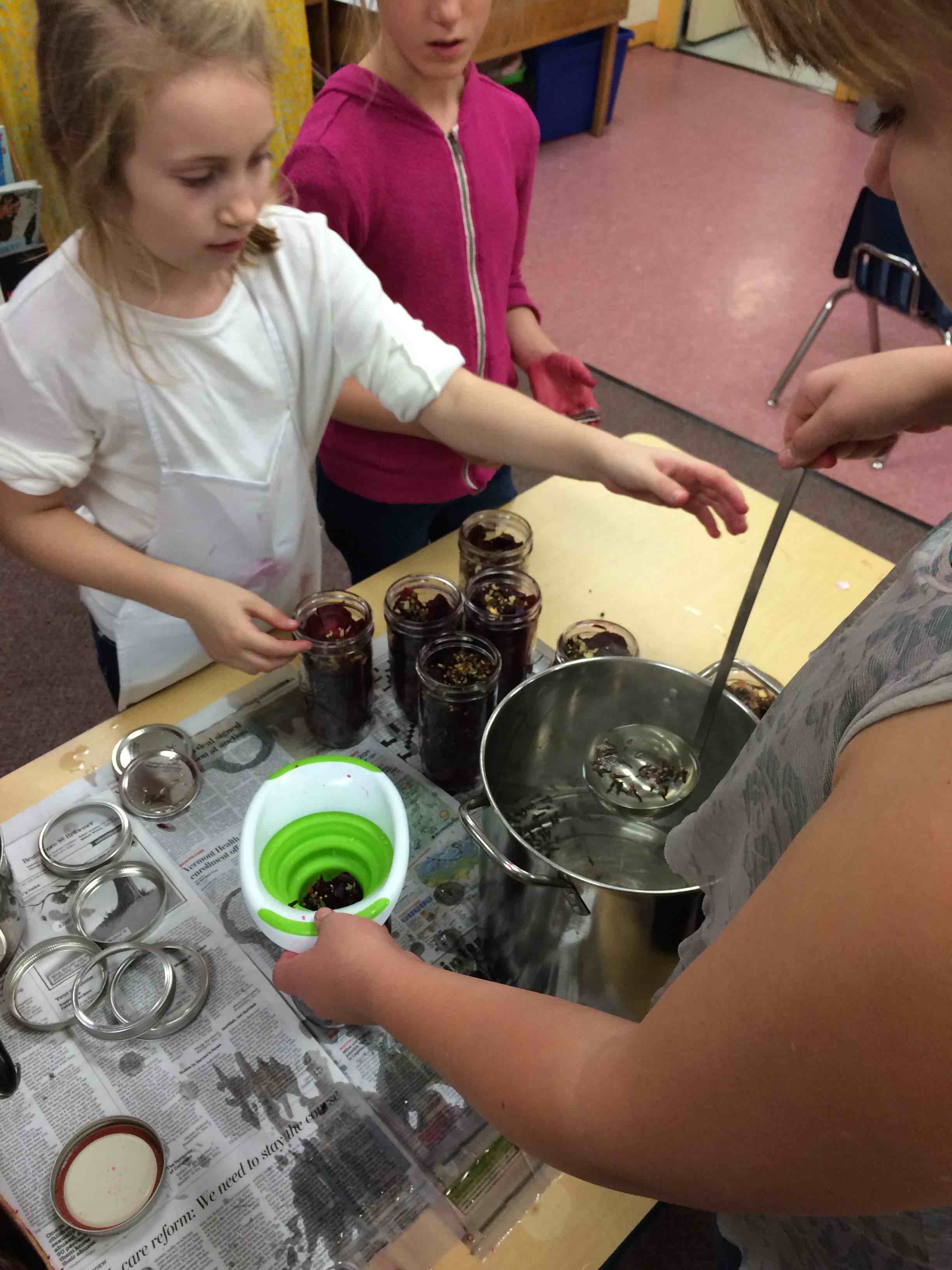
adding brine and storing jars

adding brine and storing jars

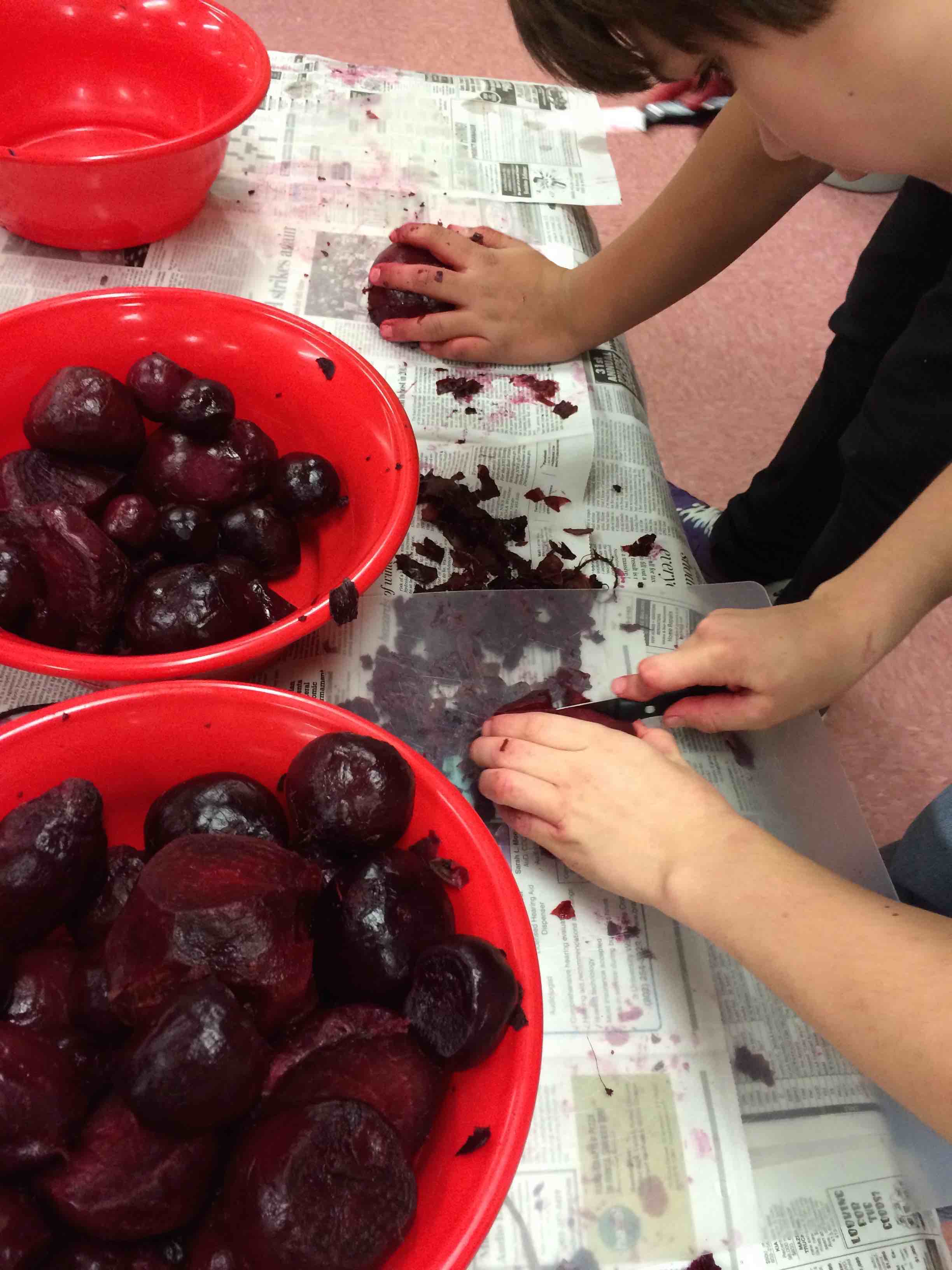
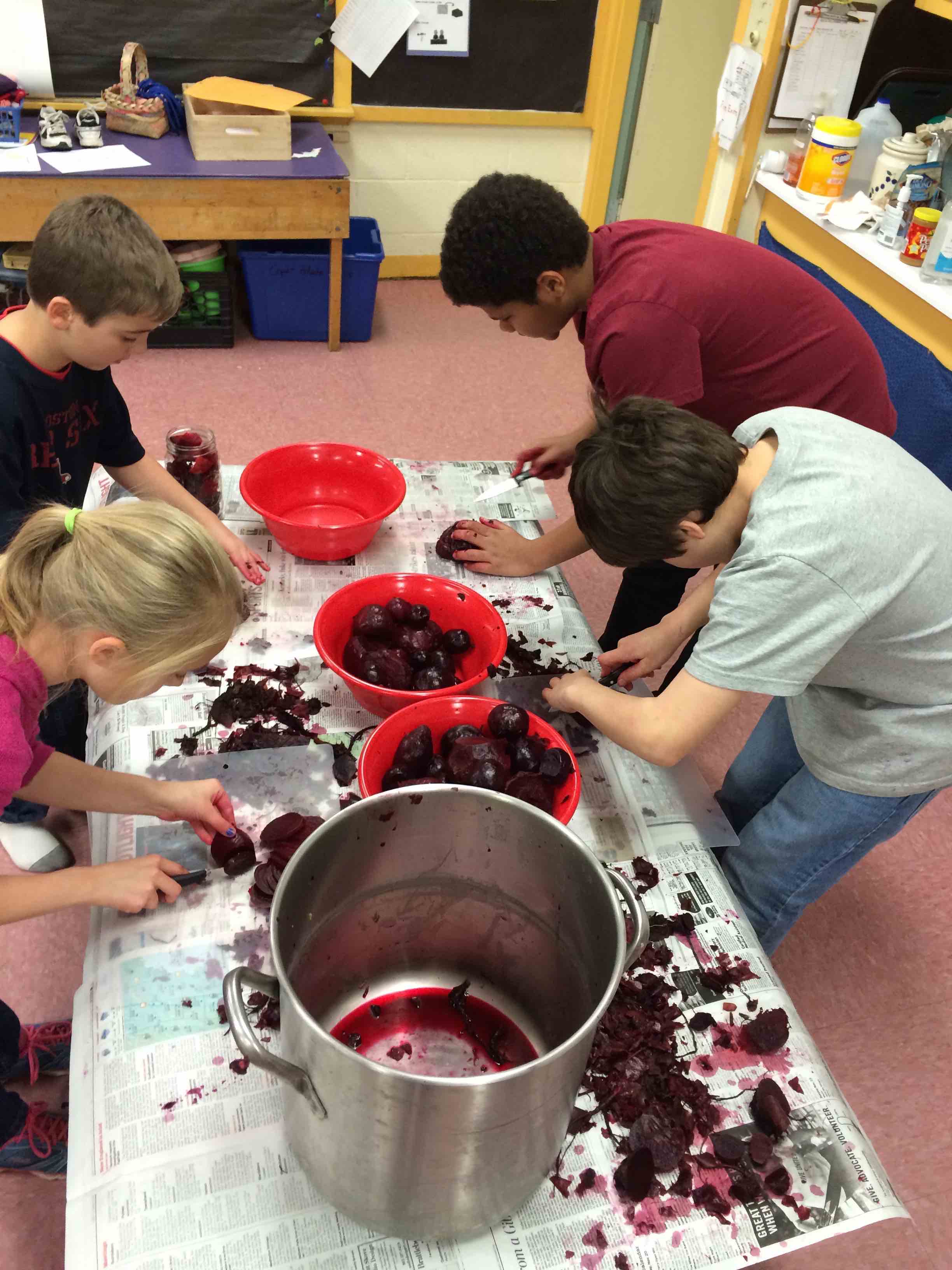
A group of dedicated multi-age students met weekly this fall to learn about where their food comes from. One of the assignments was pickling our garden beet harvest for the school salad bar. Last year pickled beets were a huge hit for students and teachers so this year we planted more of them. Students followed a recipe and doubled fractions to create the brine. I precooked the beets ahead of time and let them cool for easy removal of their skins. Slicing and prepping was no problem for even the youngest students. Our new Master Gardener candidate, Kathleen Hacker, was on hand to help with math and reading.

adding brine through funnel

adding brine through funnel

slicing beets

slicing beets

assembly line

assembly line

adding brine and storing jars

adding brine and storing jars

following a recipe

following a recipe


Click on recipe for: Pickled Beets


Leave a comment

Garlic and Pizza

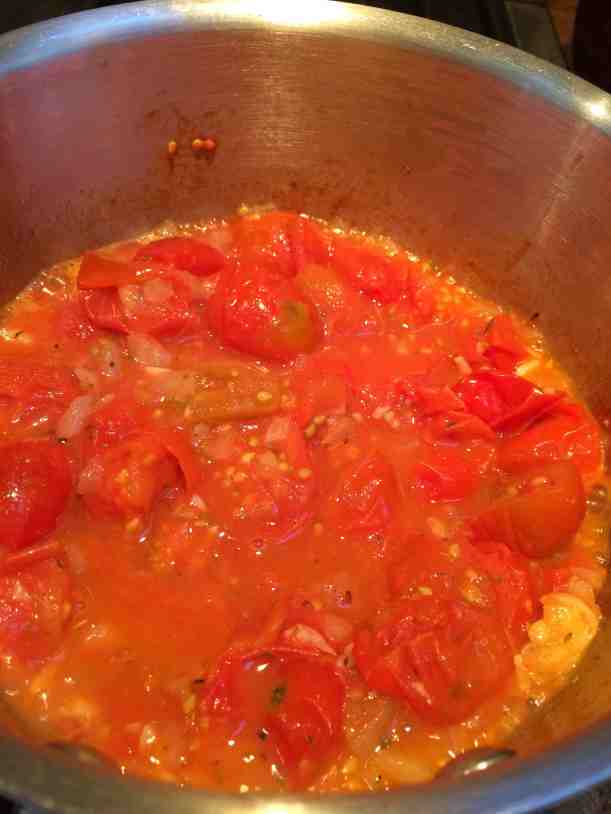
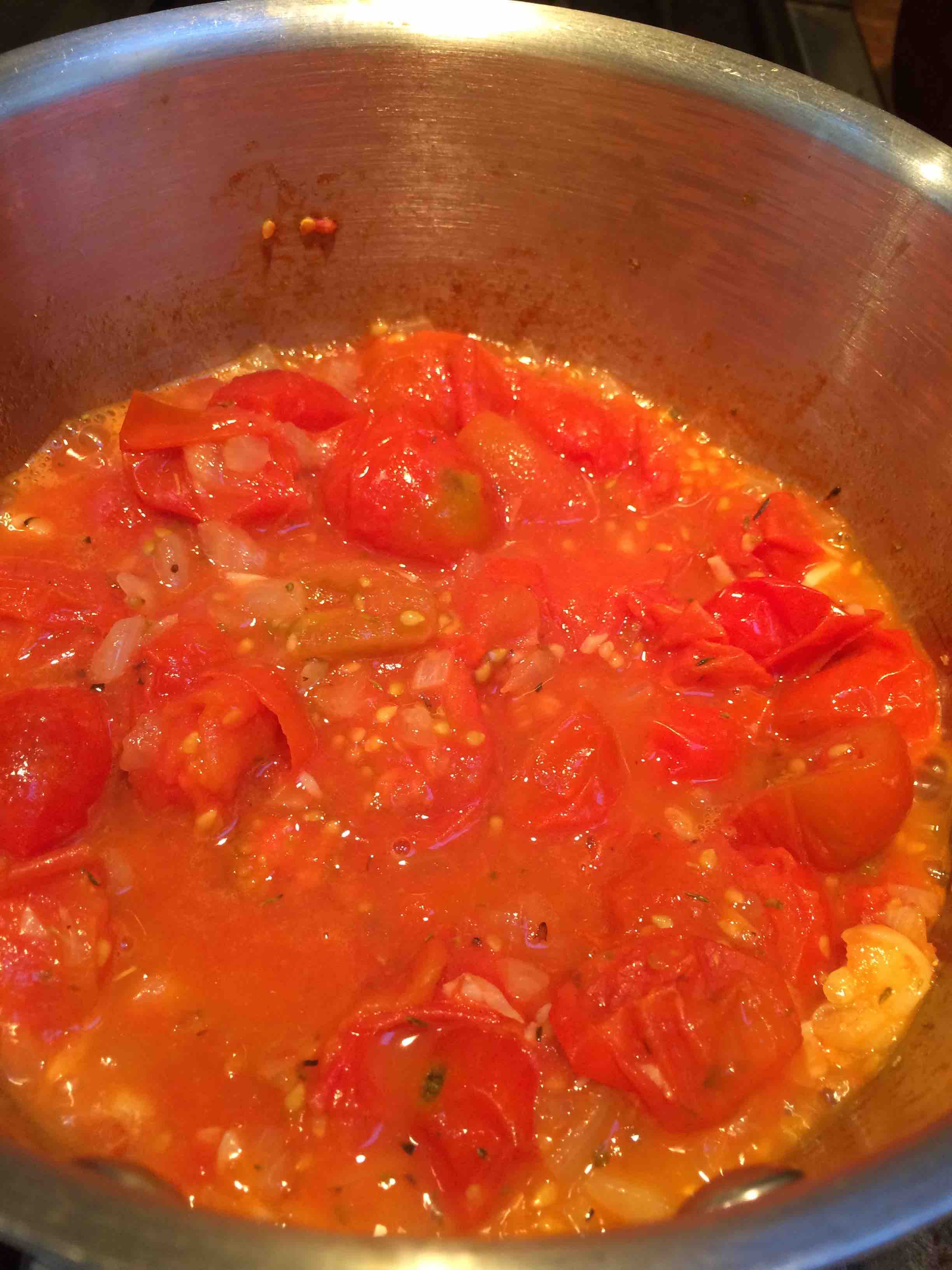
simmering last year's tomatoes

simmering last year’s tomatoes

Now we can use our garlic, herbs  and tomatoes to make yummy pizzas. All we need is a basic pizza dough, cheese, toppings and a little time.

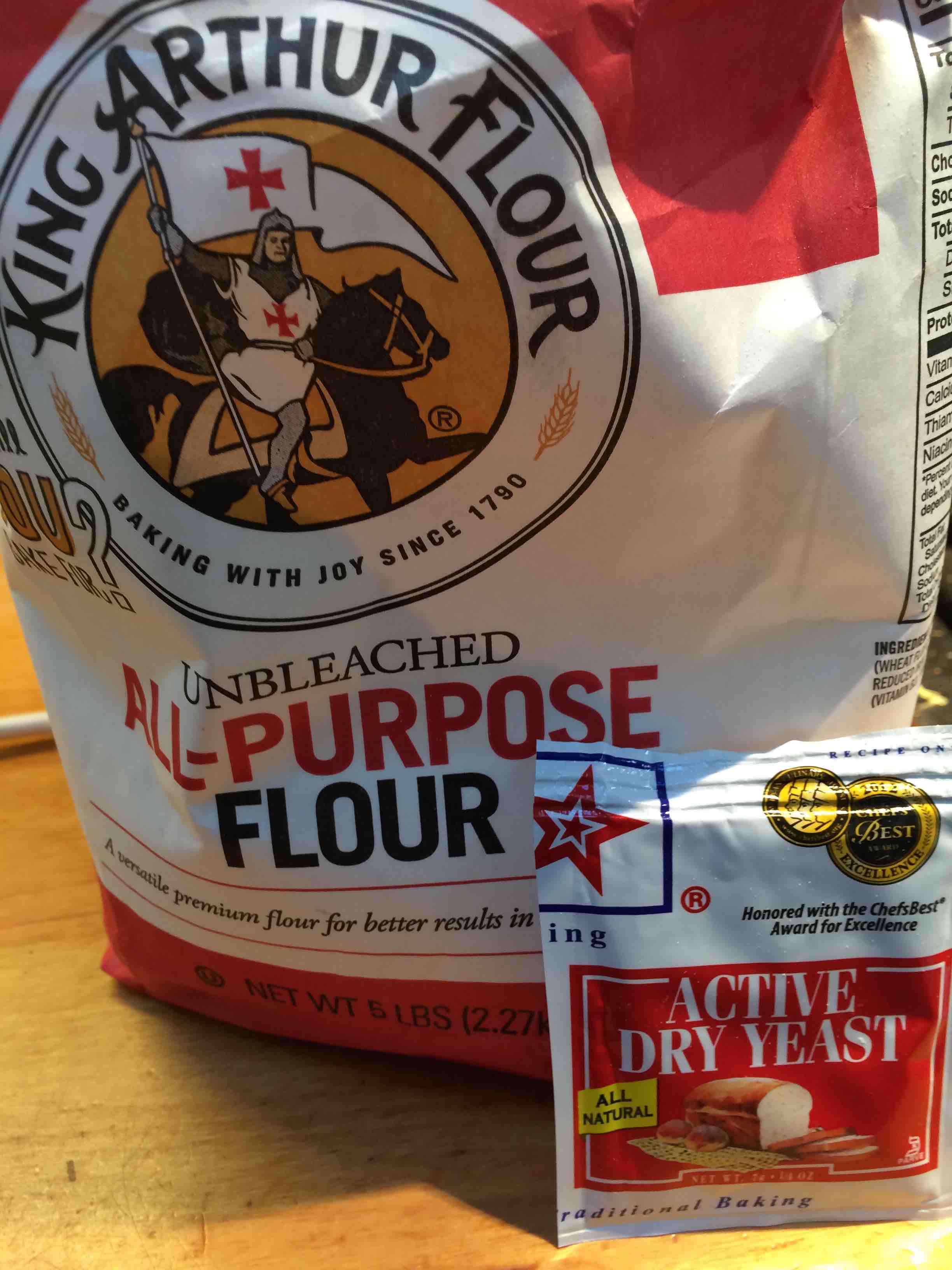
Pizza dough can be made ahead…even frozen (and thawed a half day before you need it). All you need are flour, salt yeast,  oil, water and a warm place for the dough to rise. 1 teaspoon of yeast dissolved in 1 1/3 cup of warm water until bubbly (5 minutes). Add 1 tsp salt, 2 Tb. oil and 4 cups of flour (or enough to create dough that feels like play dough). Knead the dough a bit (8 min) until it feels smooth and then set it back into a greased bowl. Find a warm place for the dough to rise for 3 hours. Cover it first with plastic wrap. When it doubles in size, you can put it into a zip-lock freezer bag and freeze it or roll it out right away on a floured board to make pizza! (Makes about a cookie sheet sized pizza.)
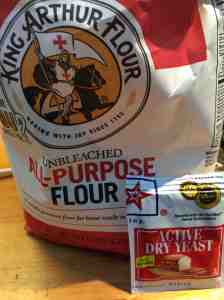
flour, yeast, salt oil and water- pizza dough
flour, yeast, salt oil and water- pizza dough

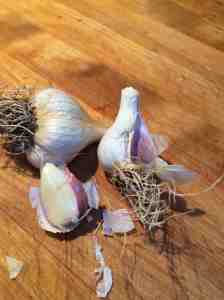
garlic cloves

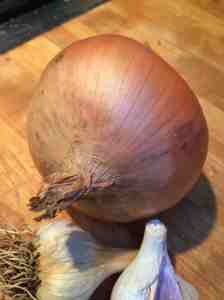
onion for sauce

onion for sauce

stretching pizza dough
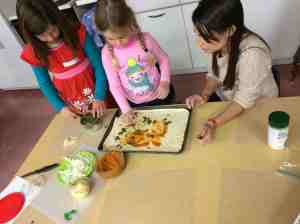
stretching pizza dough

last year's pesto and tomatos

last year’s pesto and tomatos


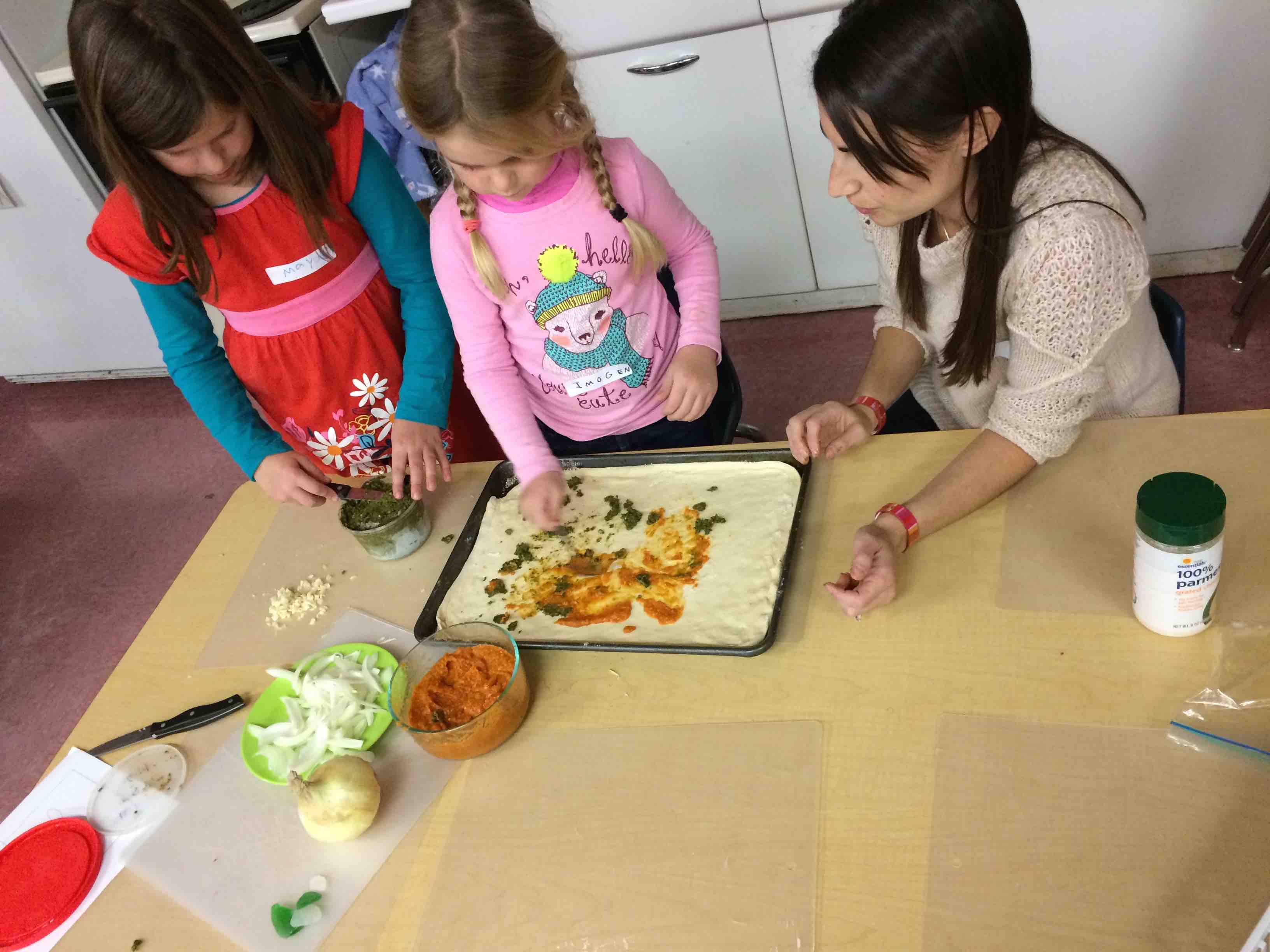
We thawed our frozen tomatoes (see above) and pesto from last summer’s garden and spilled off some of the liquid from the top of the thawed tomatoes. We sauteed garlic and onions and added the tomatoes and  some garden oregano. After the sauce boiled down (15 minutes) I used a wand to blend it. This makes it more smooth and palatable for the youngest children.

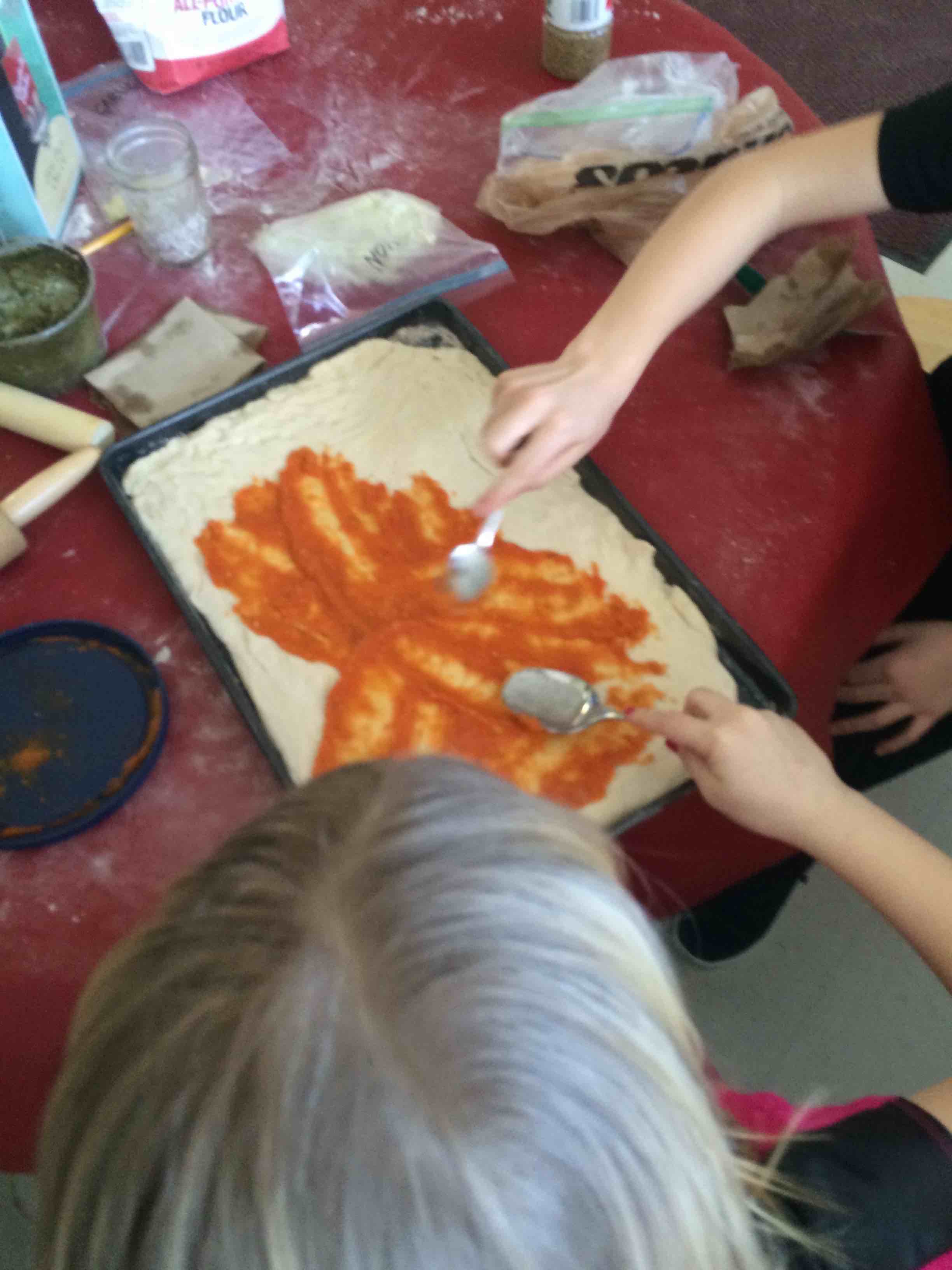
The rest of pizza making its just prep work: slicing whatever favorite veggies and cheeses go on top, rolling out the dough and spreading on the toppings. I use a rolling pin and a lot of elbow grease to make a thin pizza dough. Keep adding flour as your roll.The kids added some ground flint cornmeal to the greased pizza pans before putting the dough in. This gives the dough a cushion of air to rest on while cooking and helps it to become crisp.
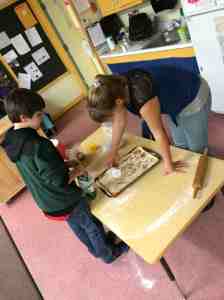
adding cheese
adding cheese

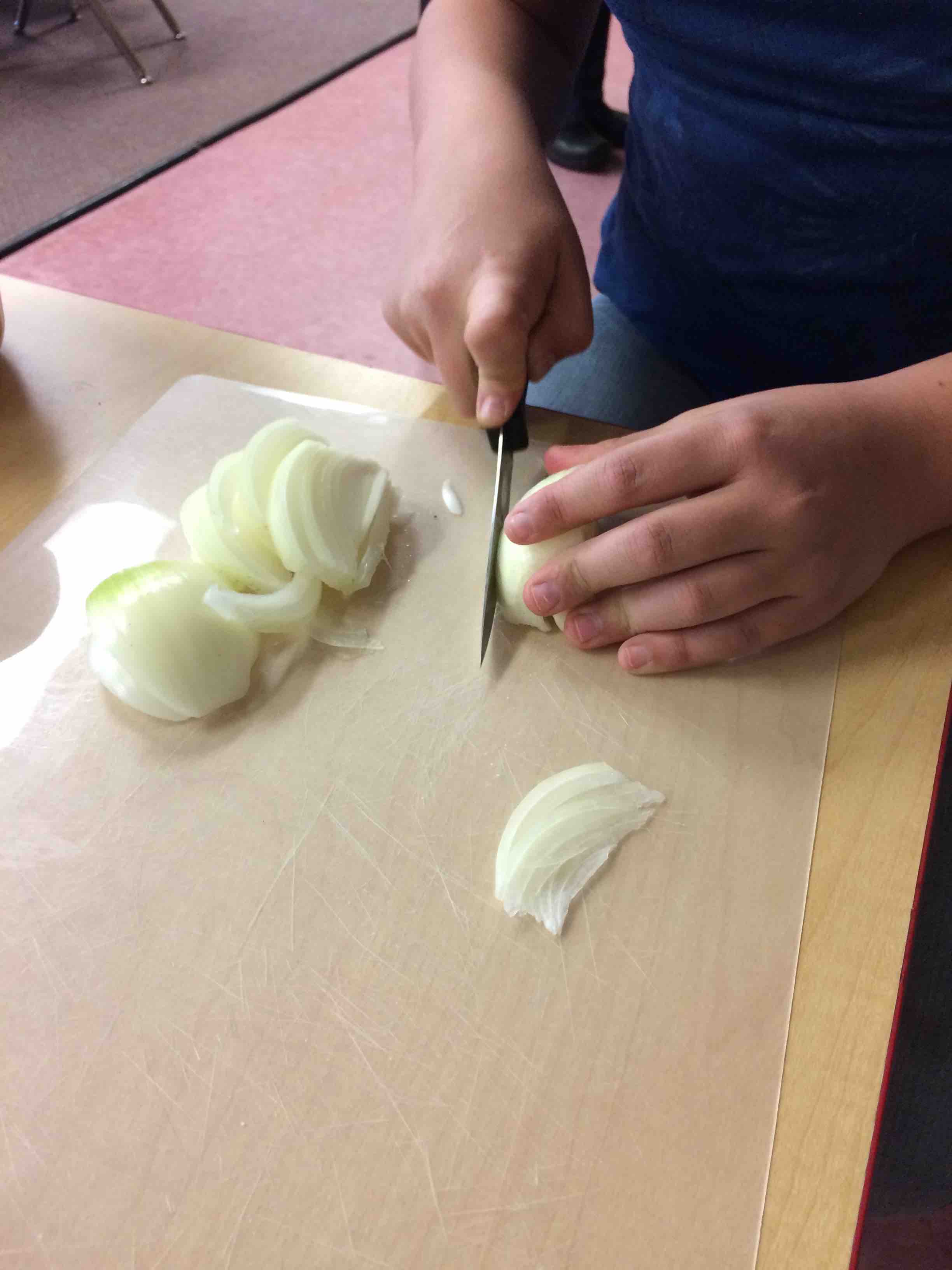
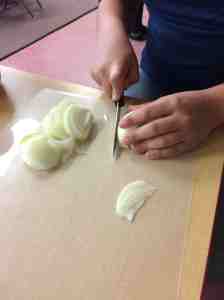
slicing onions for pizza topping
slicing onions for pizza topping

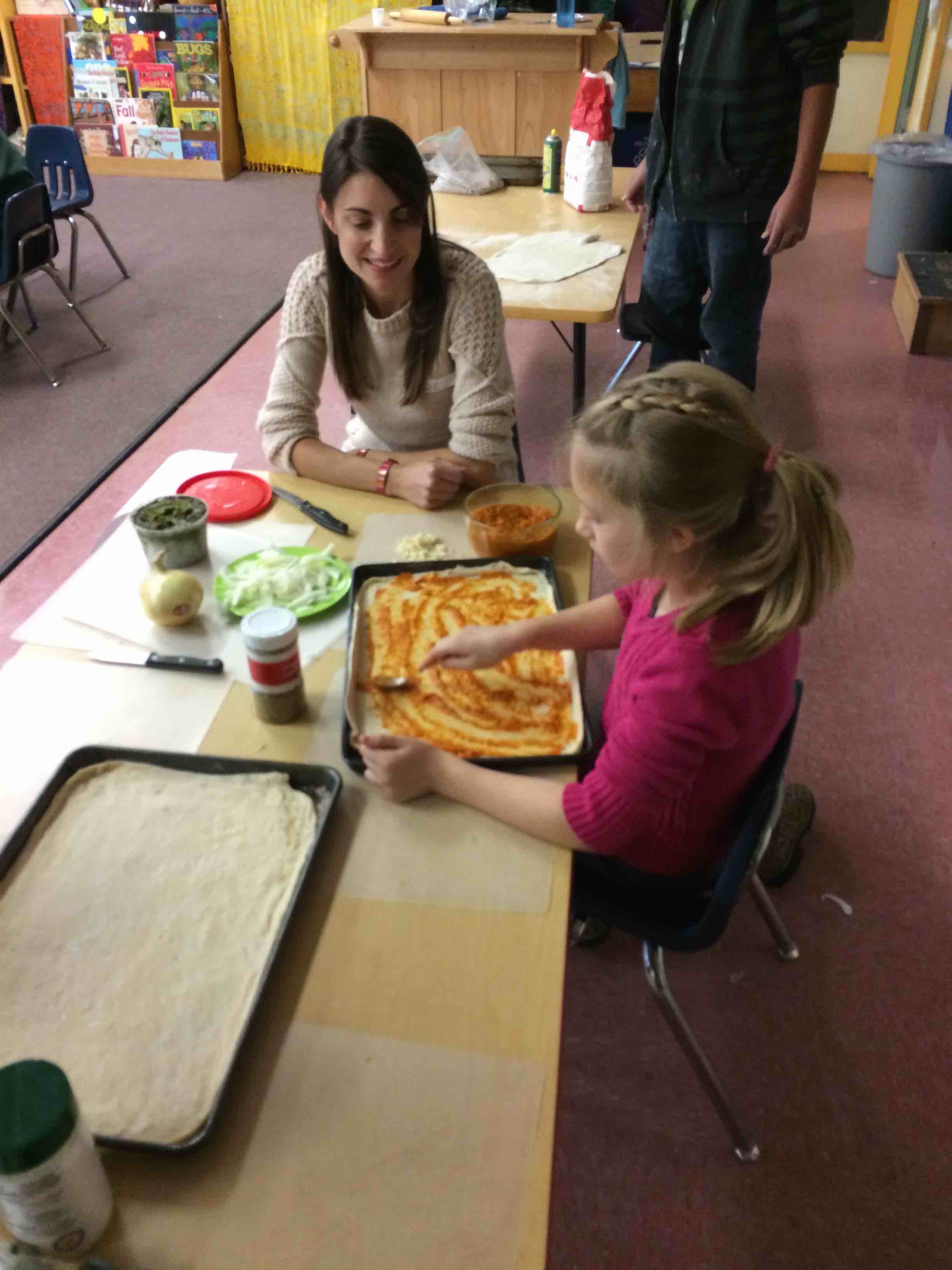
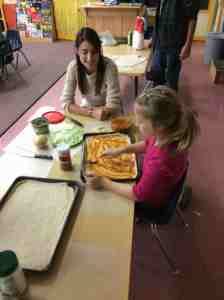
spreading tomato sauce

spreading tomato sauce

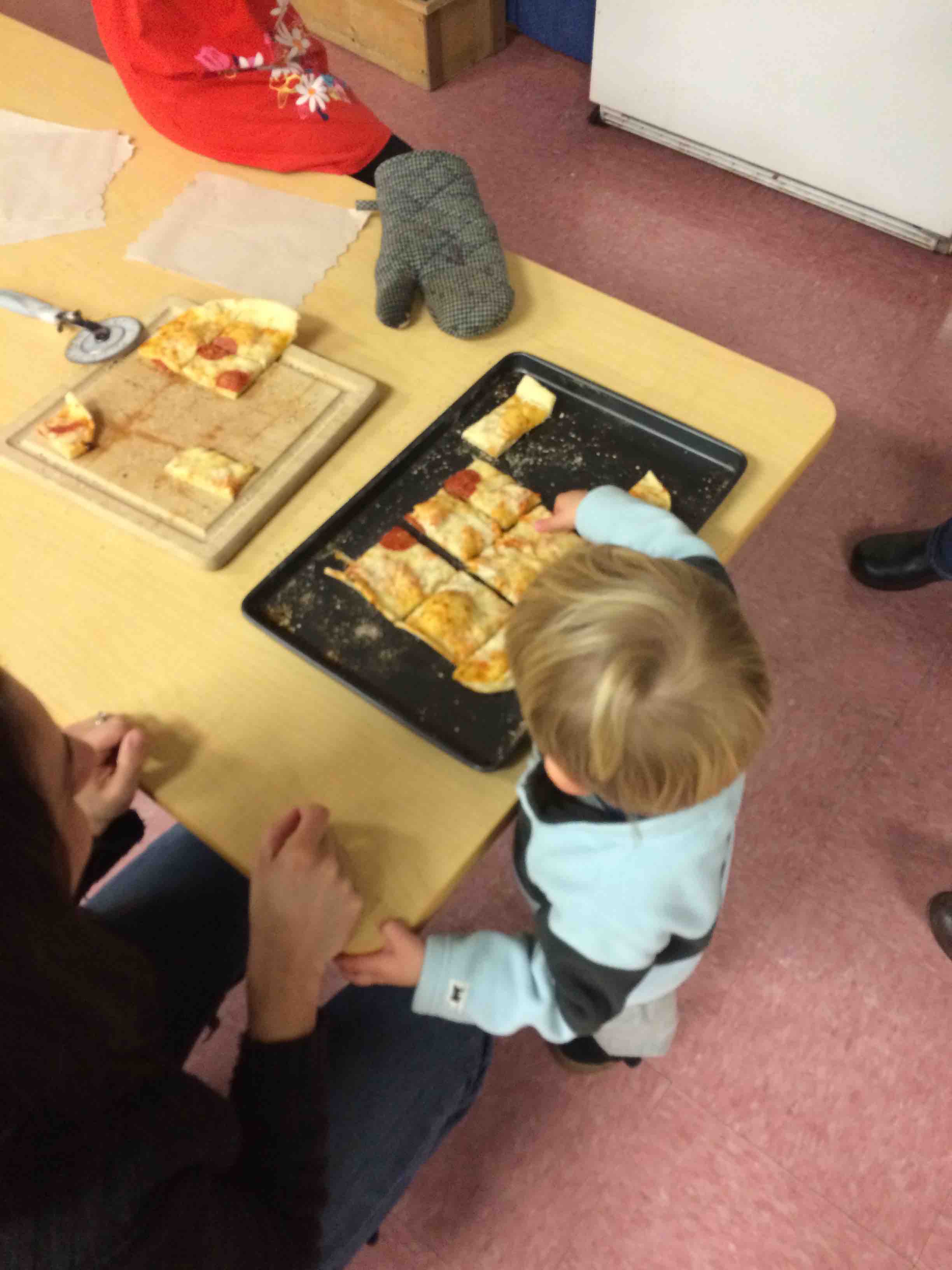
everyone gets a slice

everyone gets a slice

fantasy-pizza-template-1


Fire up the oven to 500 and when it’s hot, put in your assembled pizza. It doesn’t take long to cook. The only snafu is having to wait for it to cool before you can sink your teeth into it! While you’re waiting, click on the ‘fantasy pizza’ template and go wild designing your own pizza!

Leave a comment

Fall Garlic Planting 2014

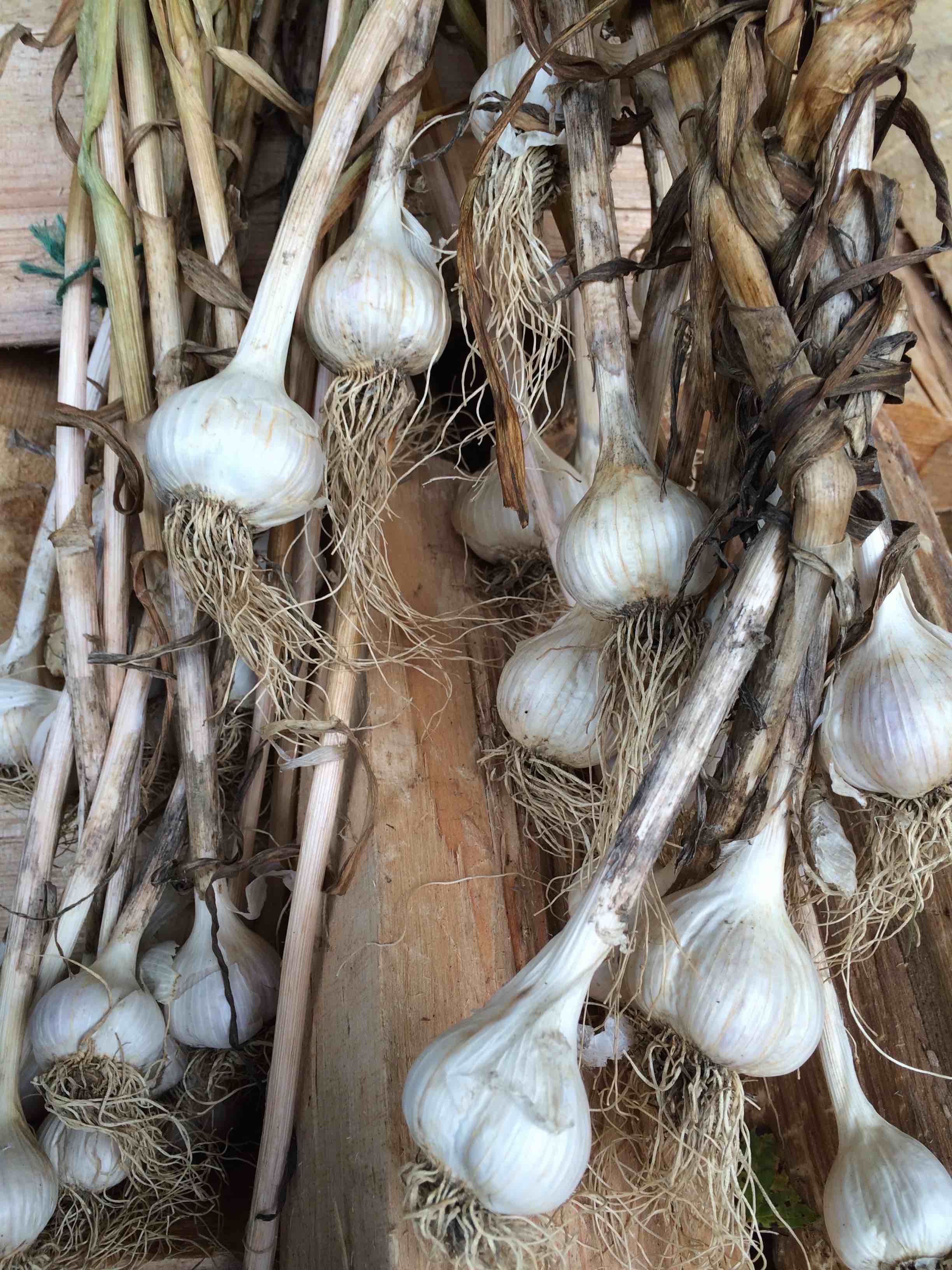
Last Summer's Garlic Harvest

Last Summer’s Garlic Harvest

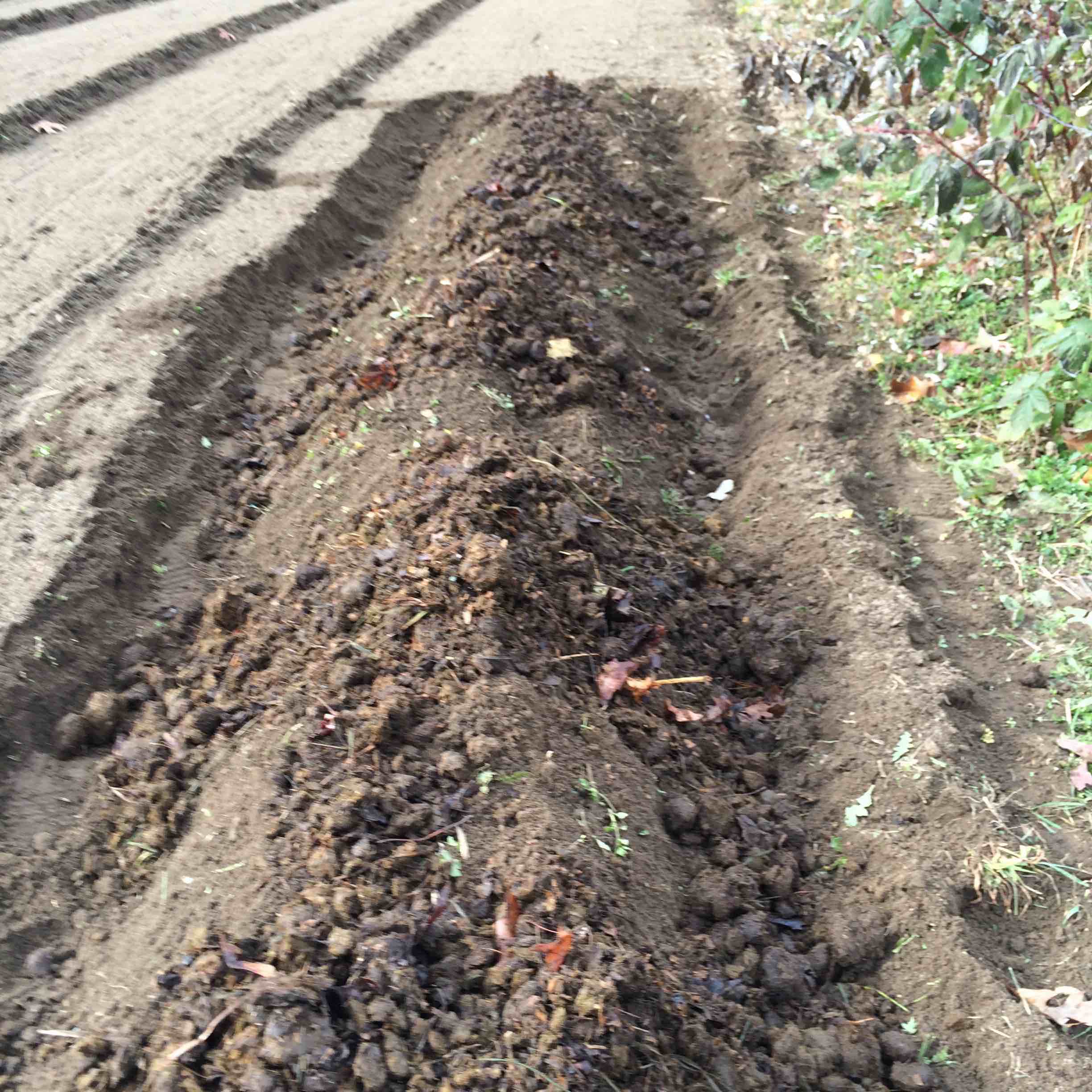
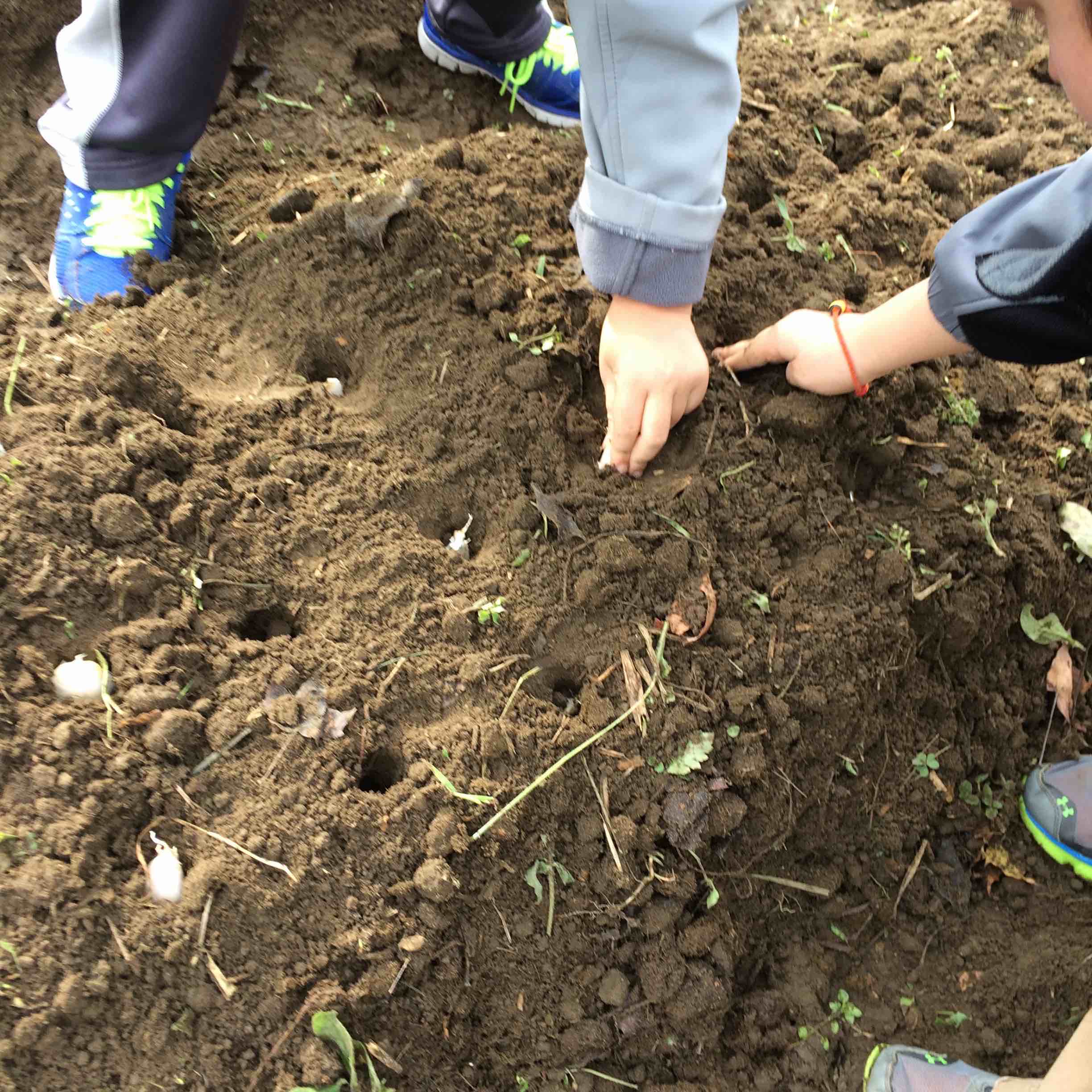
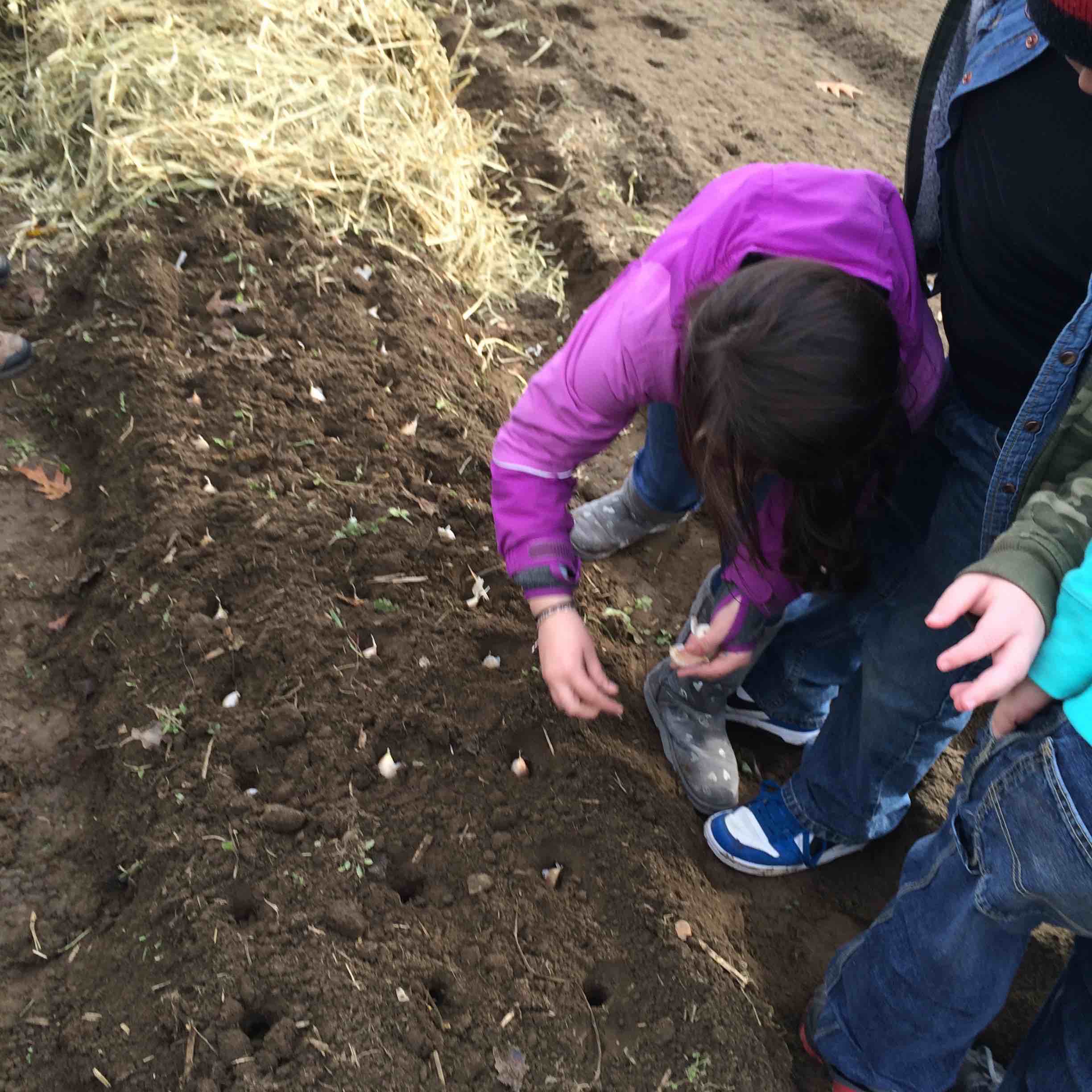
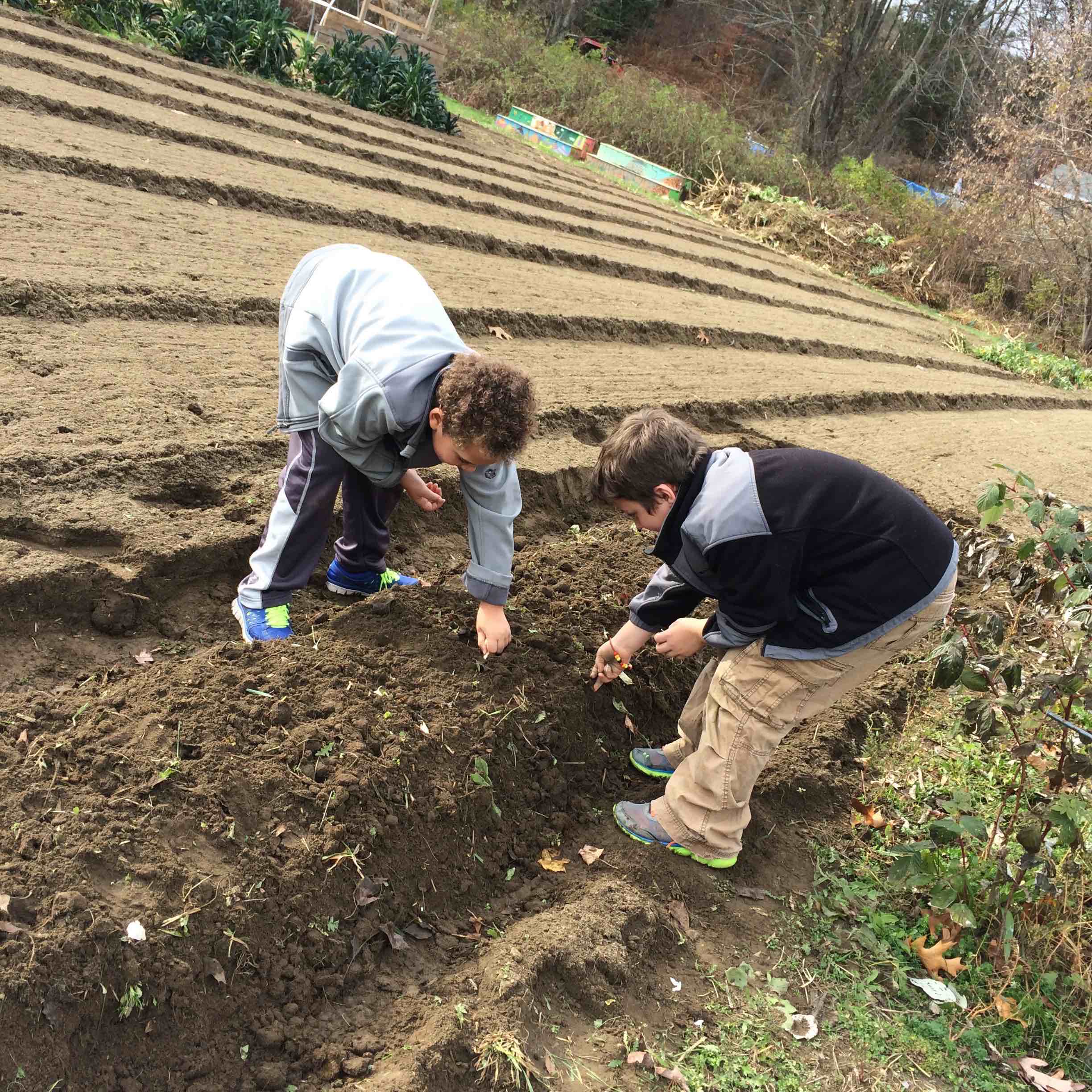
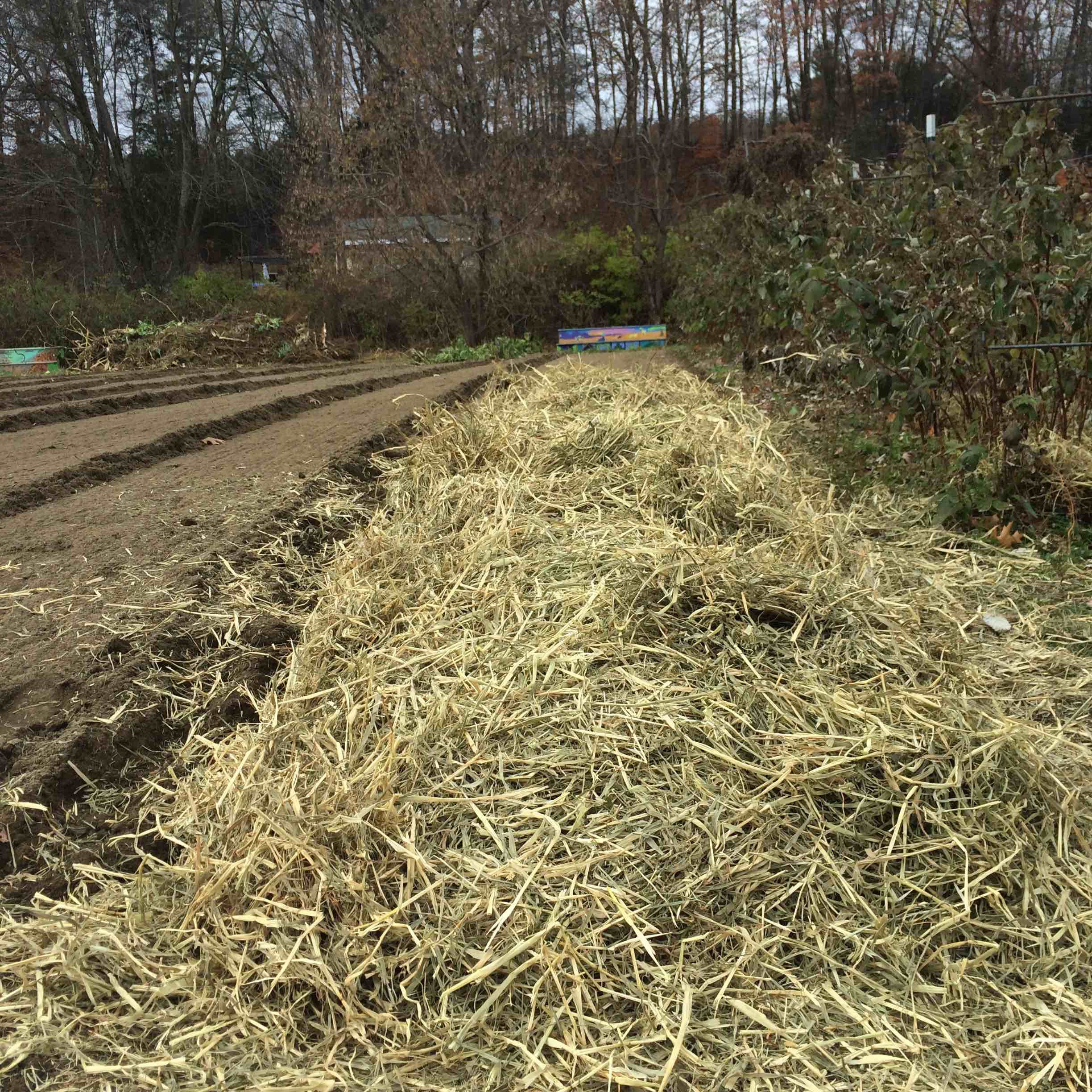
Last summer our teen crew harvested and braided the garlic we had planted in the fall of the previous year. This year, the cycle continues. Dena Weiss-Tisman’s third graders came out to plant garlic just before our Thanksgiving break. Parent, Amy Rice Sciacca donated horse manure again this year. It’s one of the best fertilizers for healthy garlic growth. We have about 25 gallons for a 25 foot row. Last year’s garlic bulbs seemed a bit small. This year I introduced a new variety from our local Putney grower, Marissa Miller at Lost Barn Farm.

I built a plateau from our newly tilled earth and mixed in the manure. (Fourth graders are a bit squeamish about manure.) Then the kids came out to break up garlic bulbs into cloves  and plant them (about 6 inches apart). They were covered with a nice blanket of straw (thank you Paul Harlow at Harlow Farm) and they’ll sleep and grow through the winter and spring. We hope to have a good harvest again next July.

manure prep

manure prep

burying cloves

burying cloves

cloves in rows

cloves in rows

planting and covering

planting and covering

working together

working together

straw blanket

straw blanket


Leave a comment

Popcorn Update: Drying the Harvest

counting by threes

counting by threes

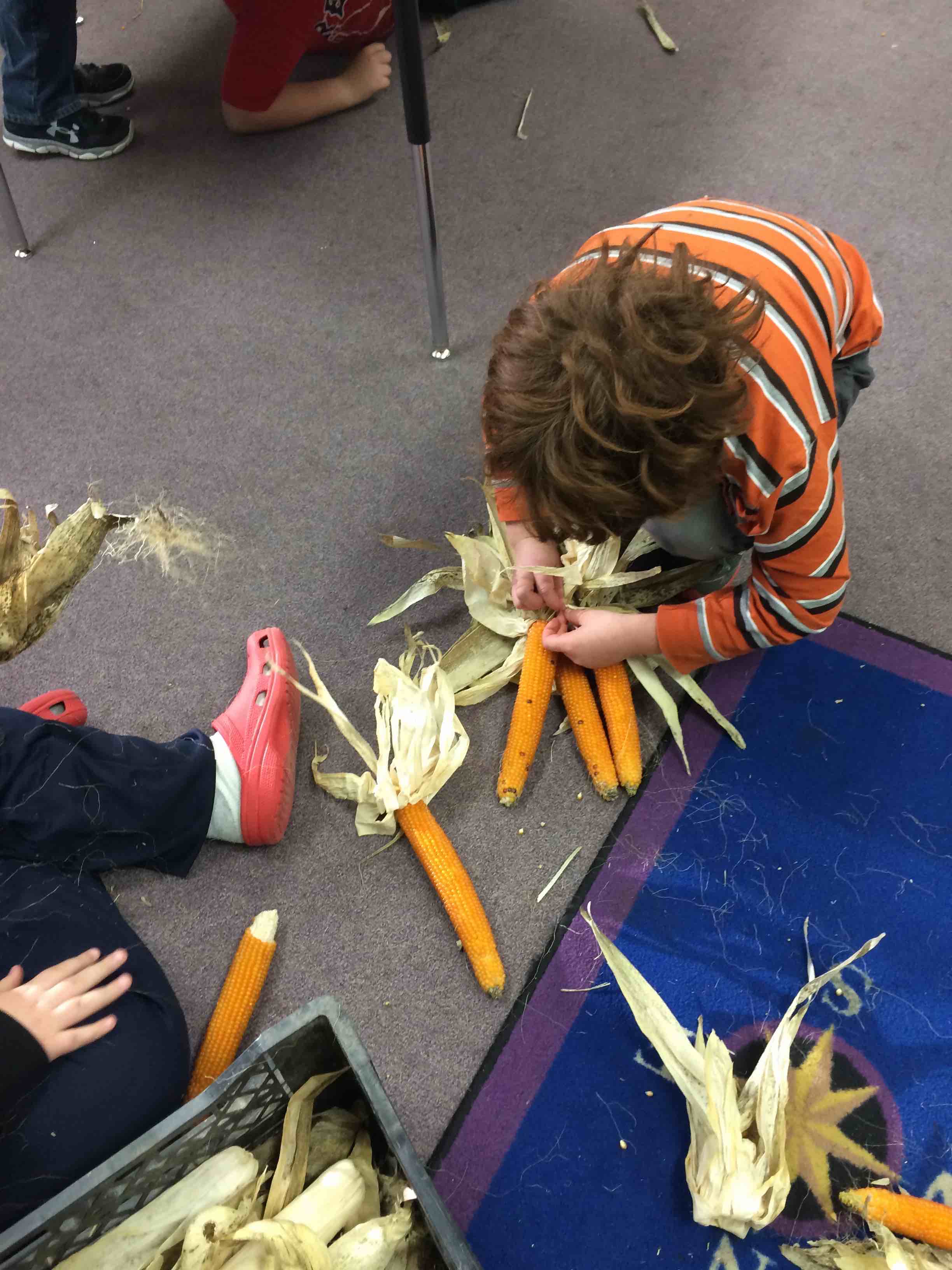
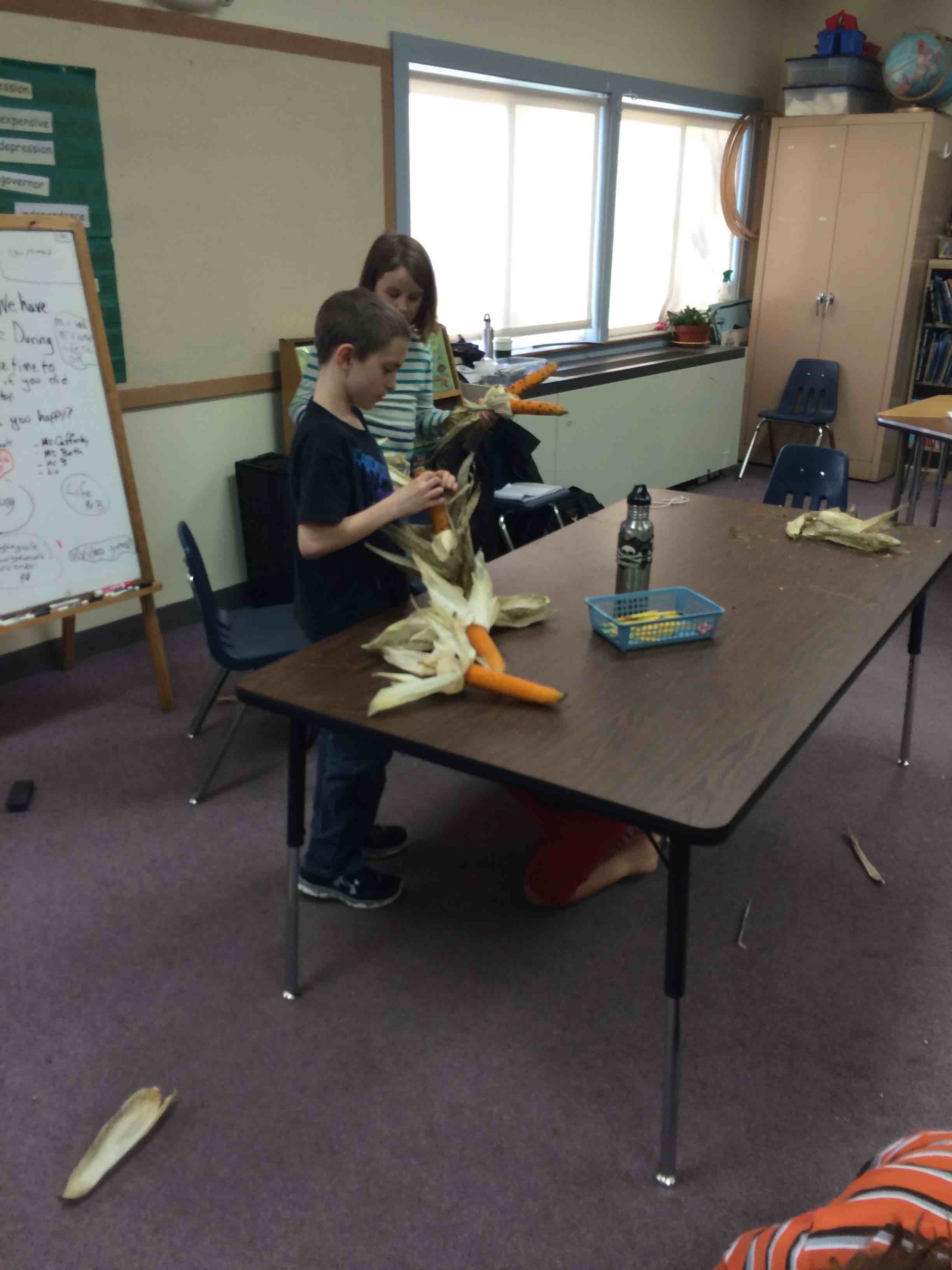
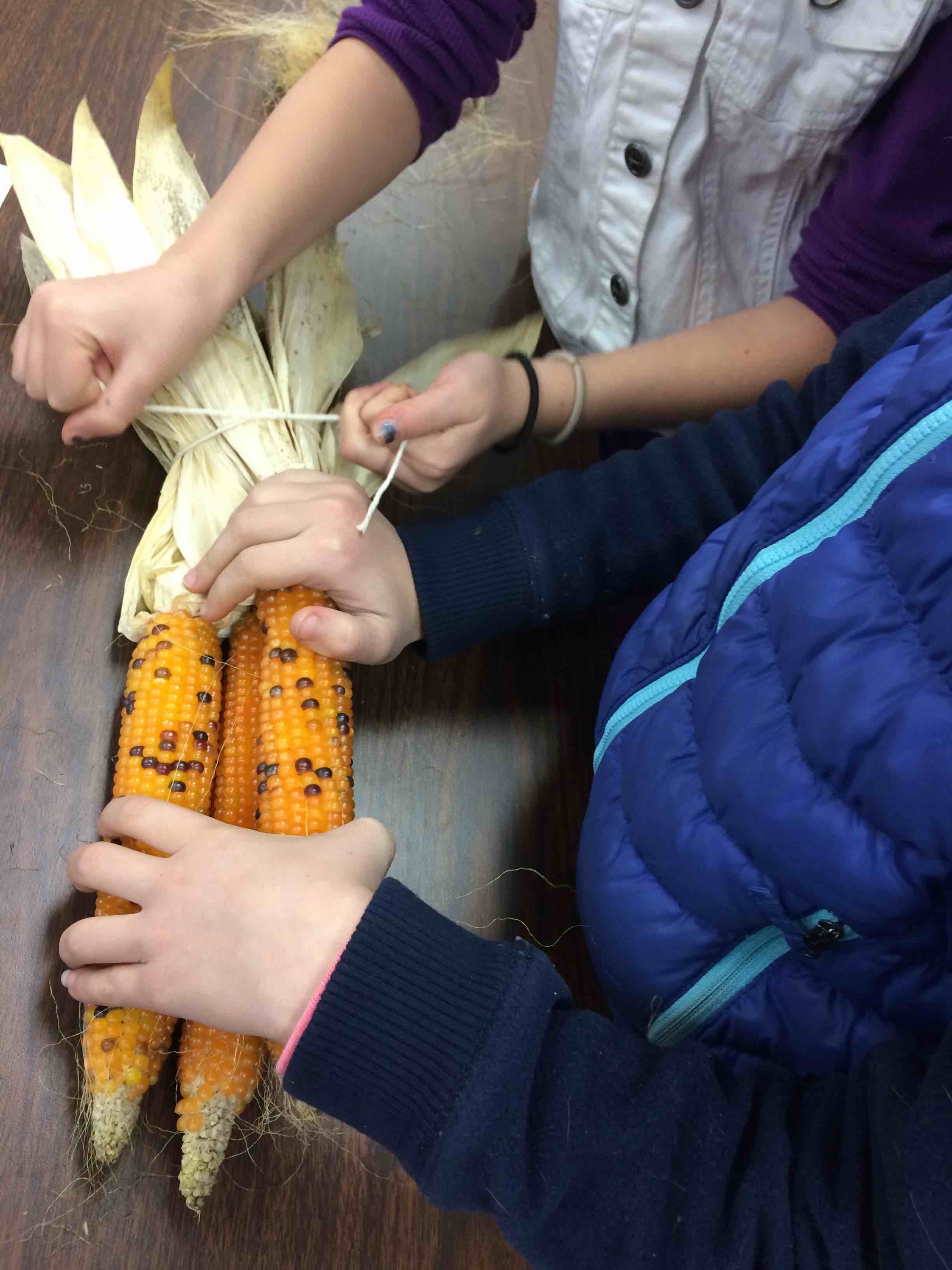
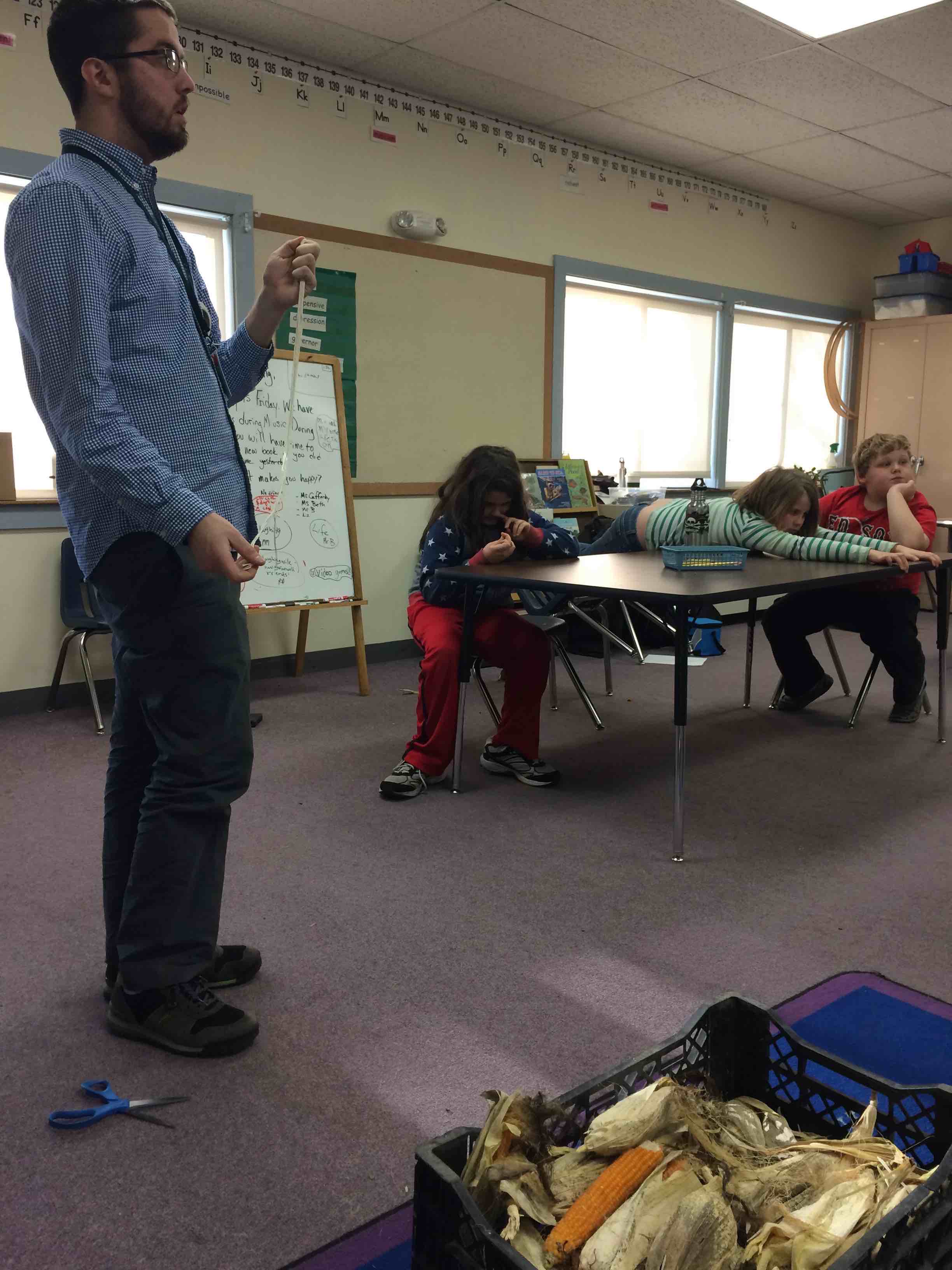
Mr. Cafferky, our new fourth grade teacher and his assistant, Mr. B. have led their class in a post harvest popcorn  experiment in their classroom. Fourth grade math is all about multiplication and division. I’m hoping that these students will get some firsthand experience counting by threes as they decorate the ceiling of their classroom with bunches of drying popcorn. We won’t leavebundles of popcorn the popcorn up to dry for as long as we did last fall. It already seems “pop-worthy”. One of our problems with school popcorn is knowing when the little kernels are hydrated enough to pop. I think we’ve waited too long last year. The result was very crunchy half-popped popcorn. The good news is that popcorn kernels can be re-hydrated simply by adding water and refrigerating!
teamwork tying

teamwork tying

teacher directions for drying popcorn

teacher directions for drying popcorn

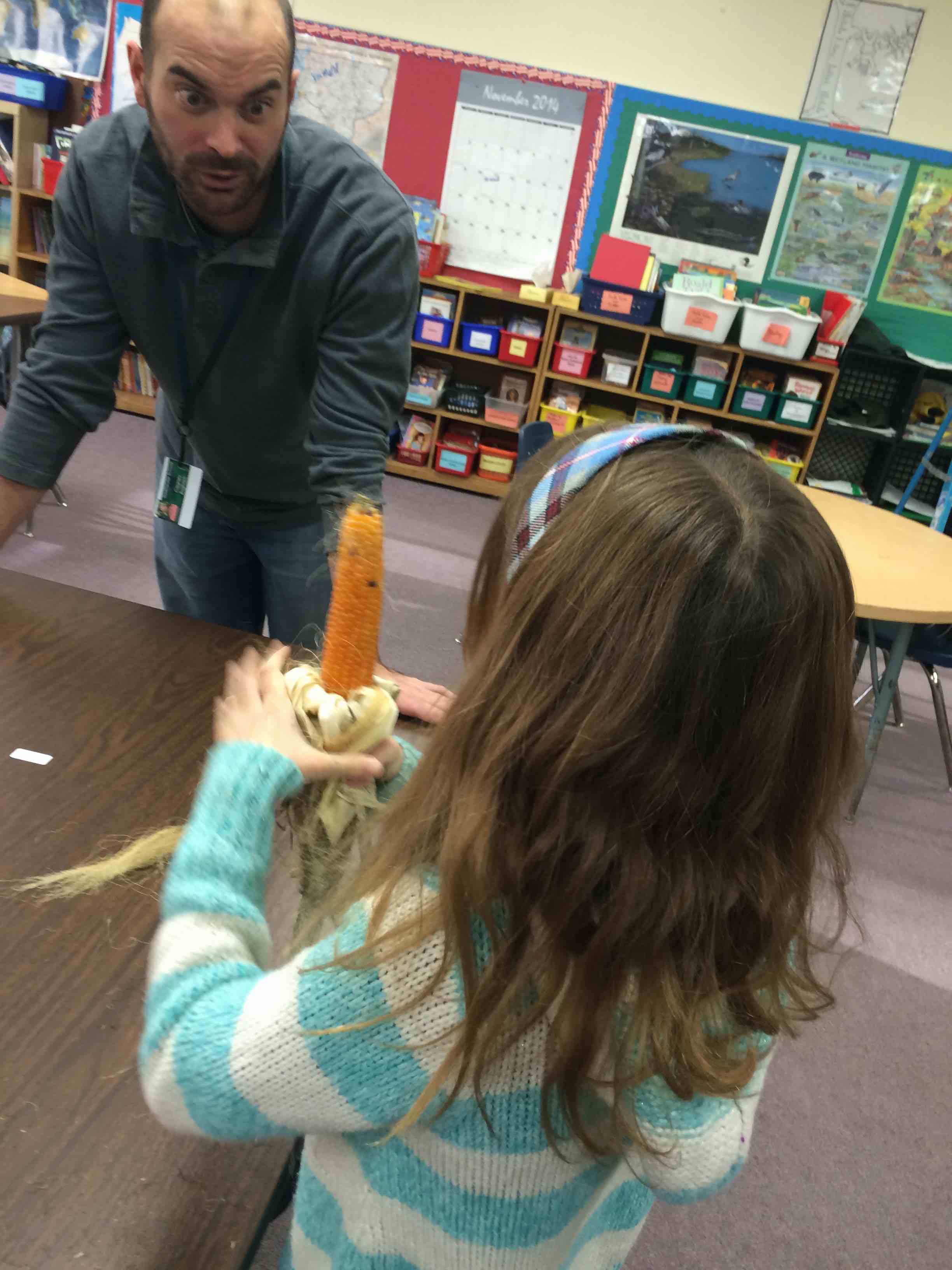
pulling back leaves

pulling back leaves


Leave a comment

Putting Our Garden to Bed

Tilling the garden.

Tilling the garden.

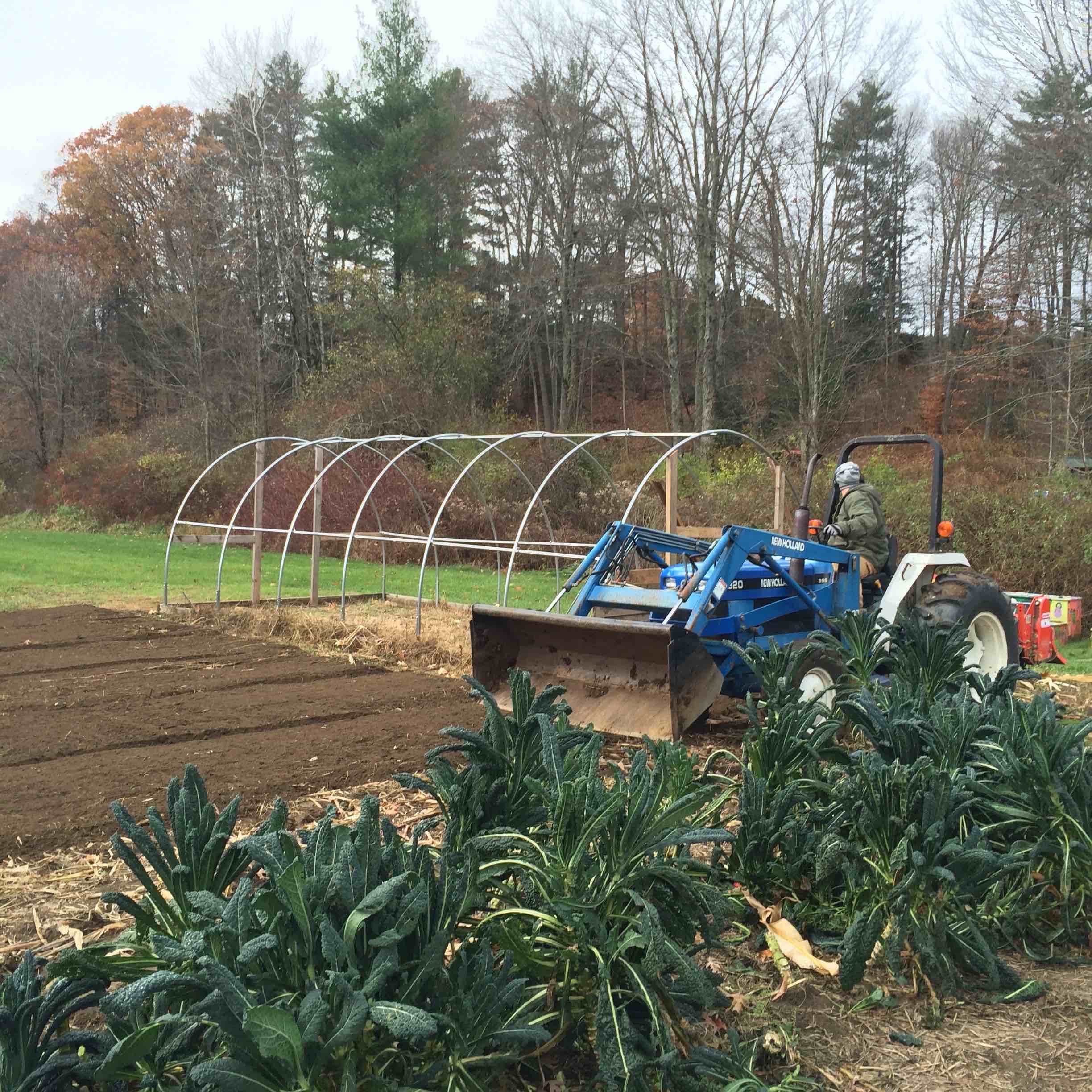
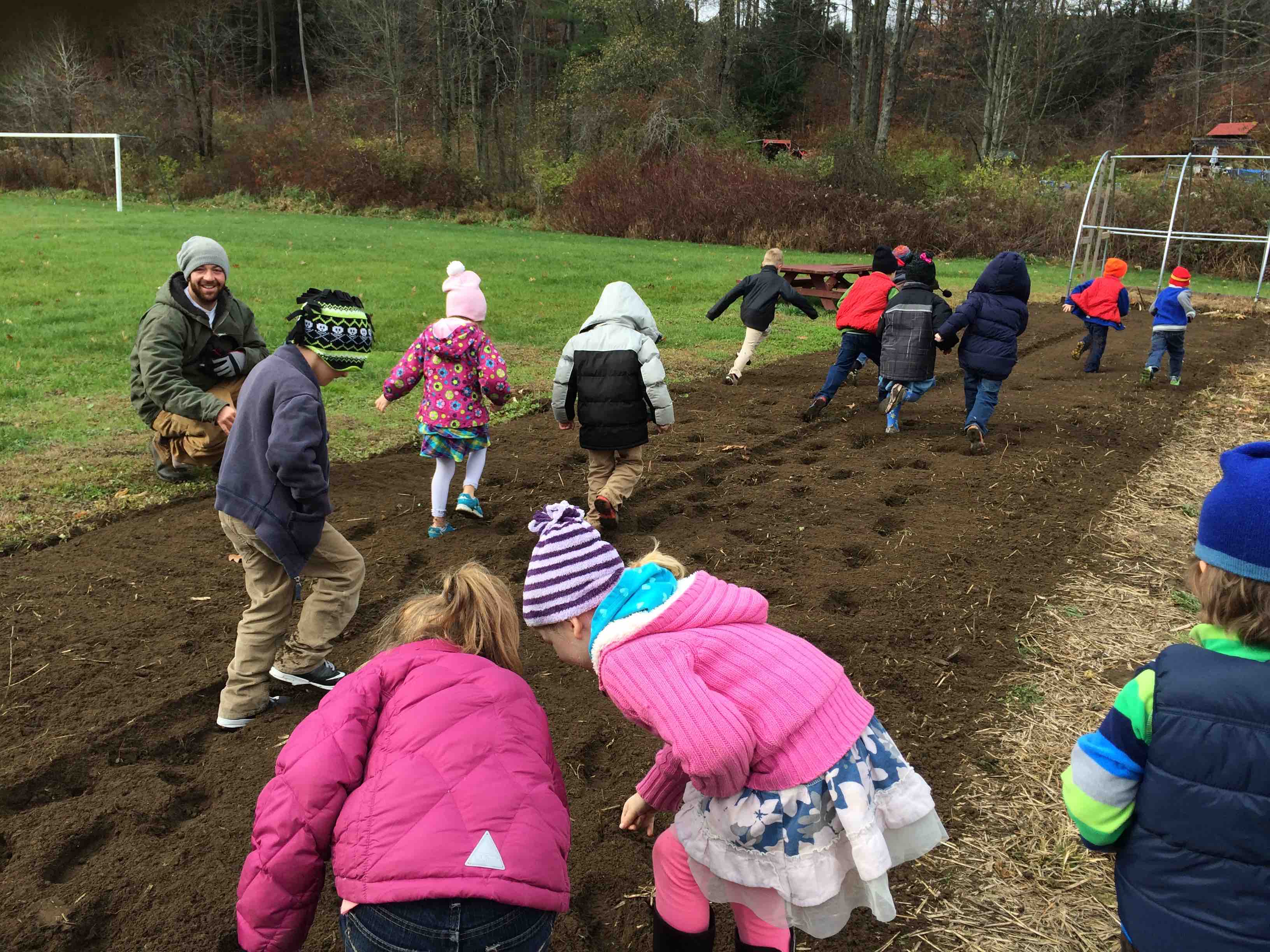
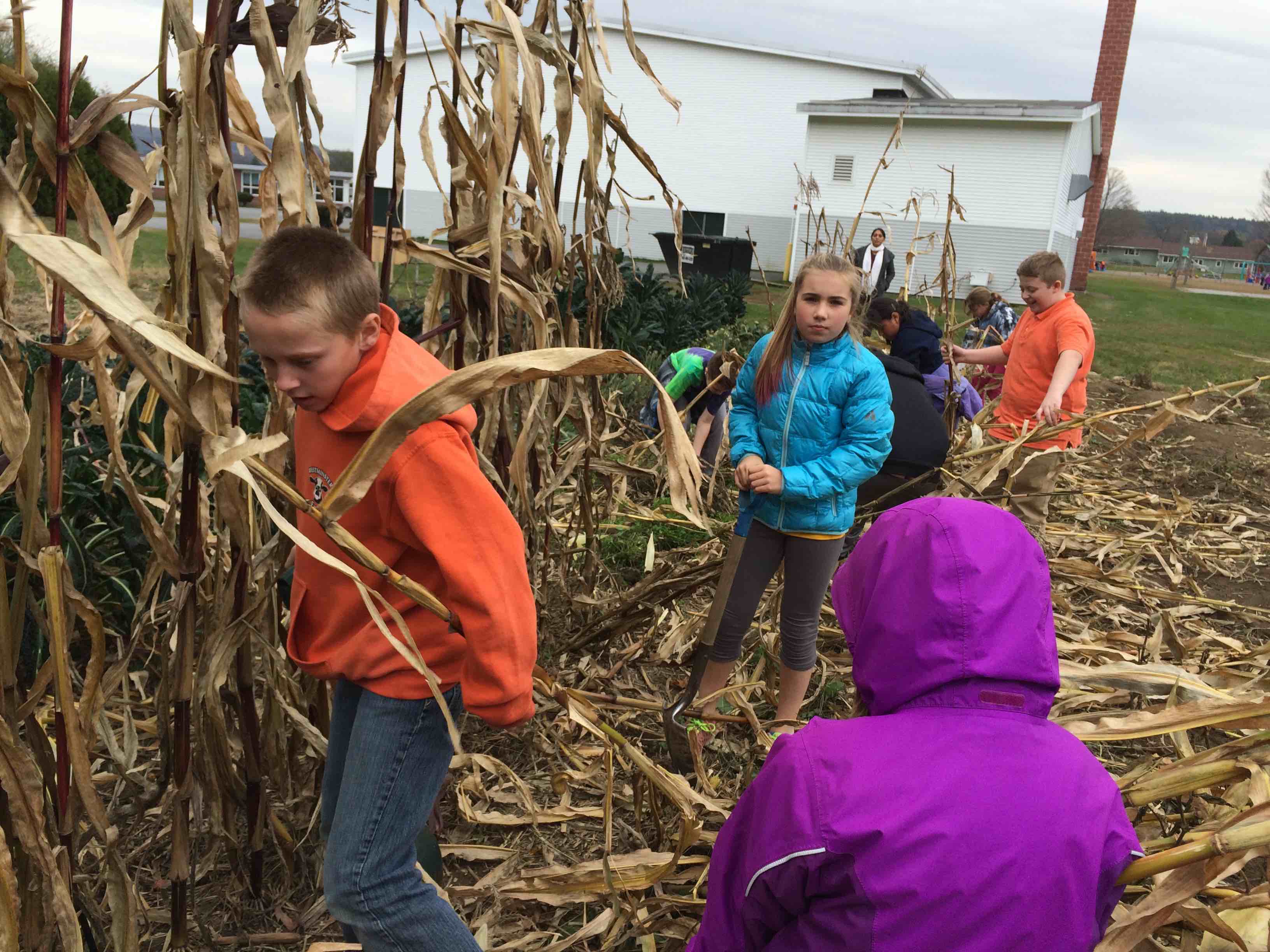
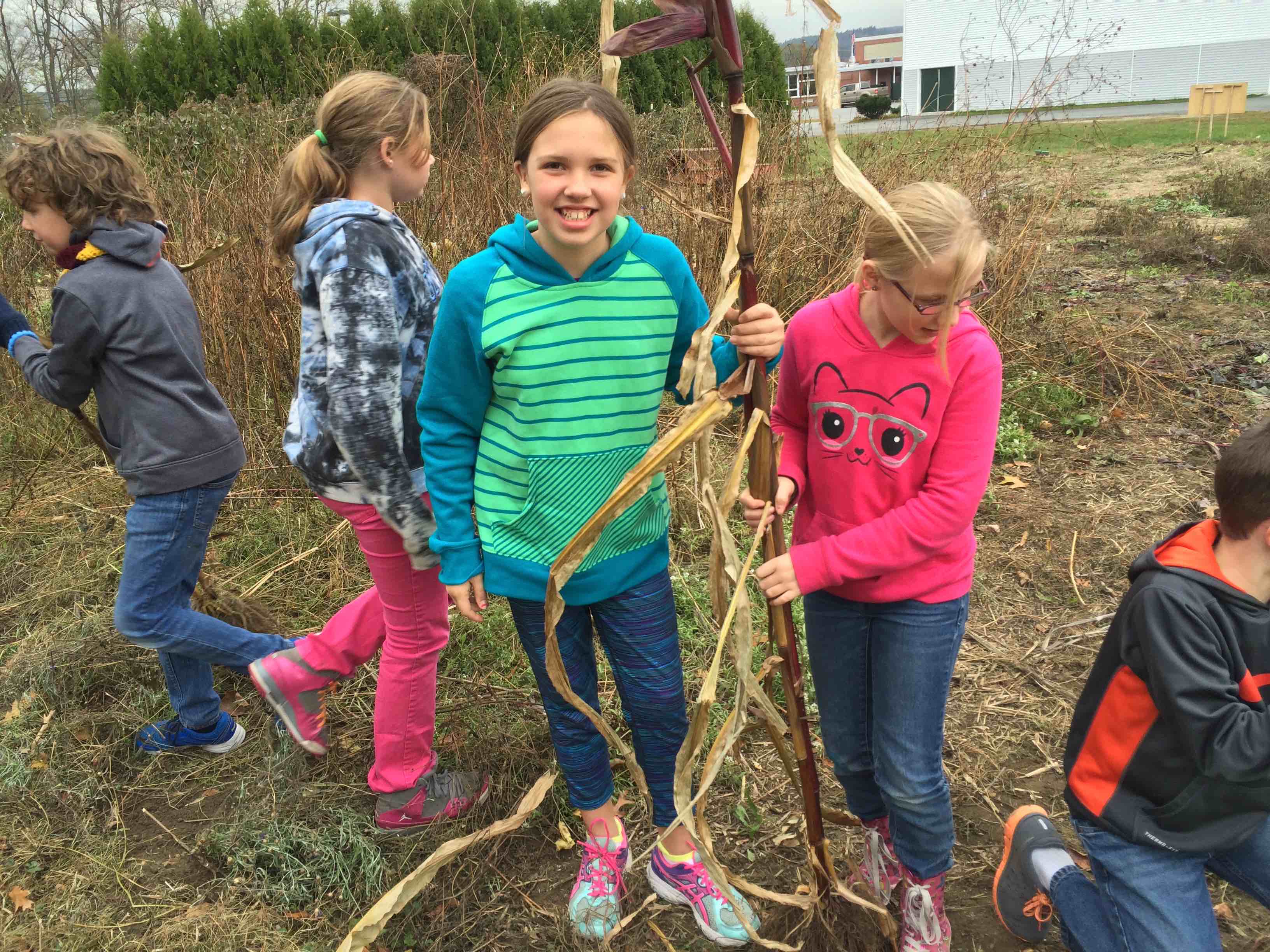
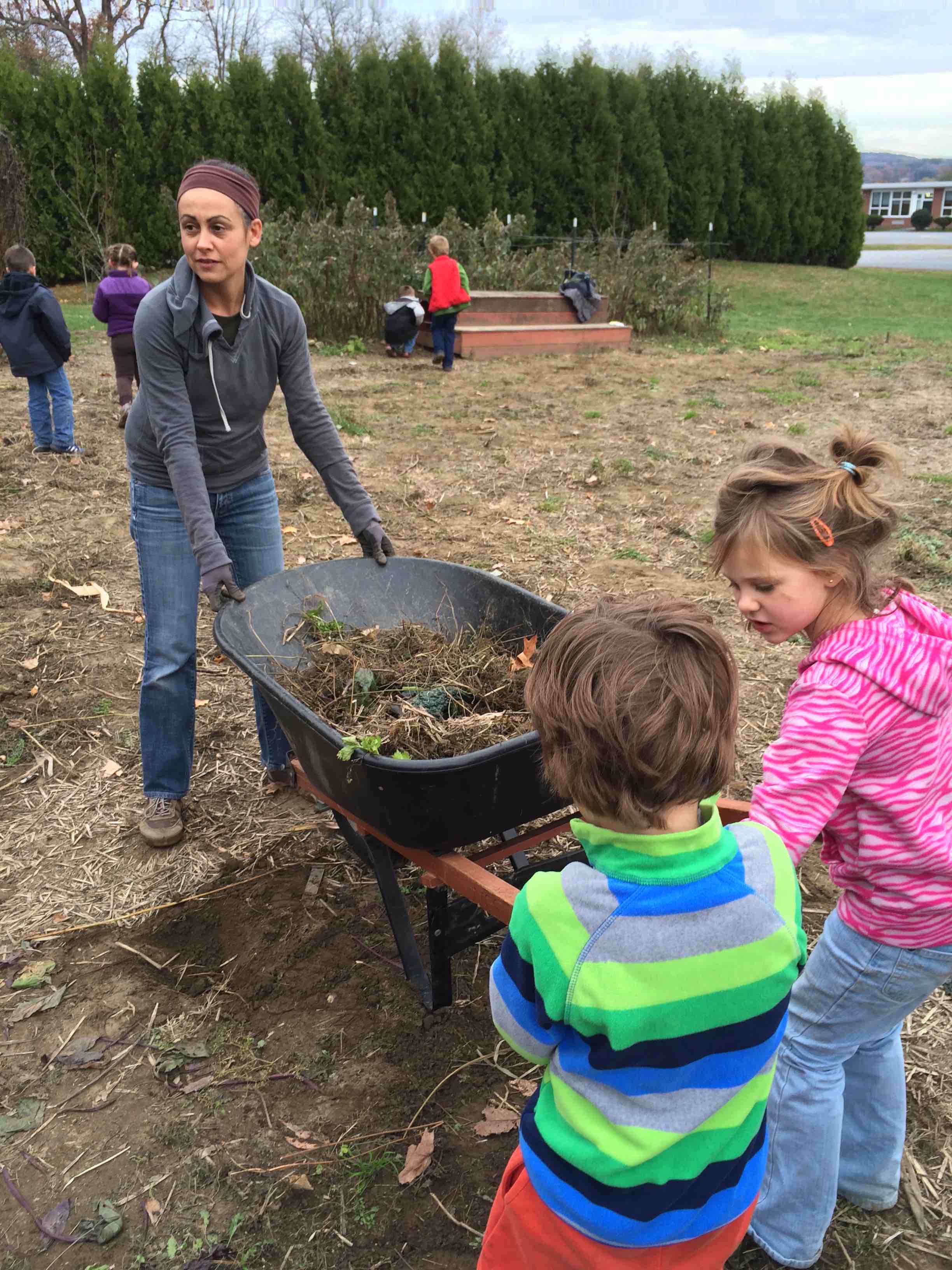
On one of the last lingering warm days of fall, classes came out to the garden to help clear away some of the larger debris before tilling. Mike Zaransky, a new Westminster farmer came to help us “put the garden to bed” for the winter. He took time to talk with the Kindergarteners about the changes made to the soil. He even encouraged them to run through a section that he had tilled to see how it felt under their feet. Mike really helped to spread the joy of observation and change in our garden. We appreciate the time he took to share his love of farming.

MIke 2MIke 3

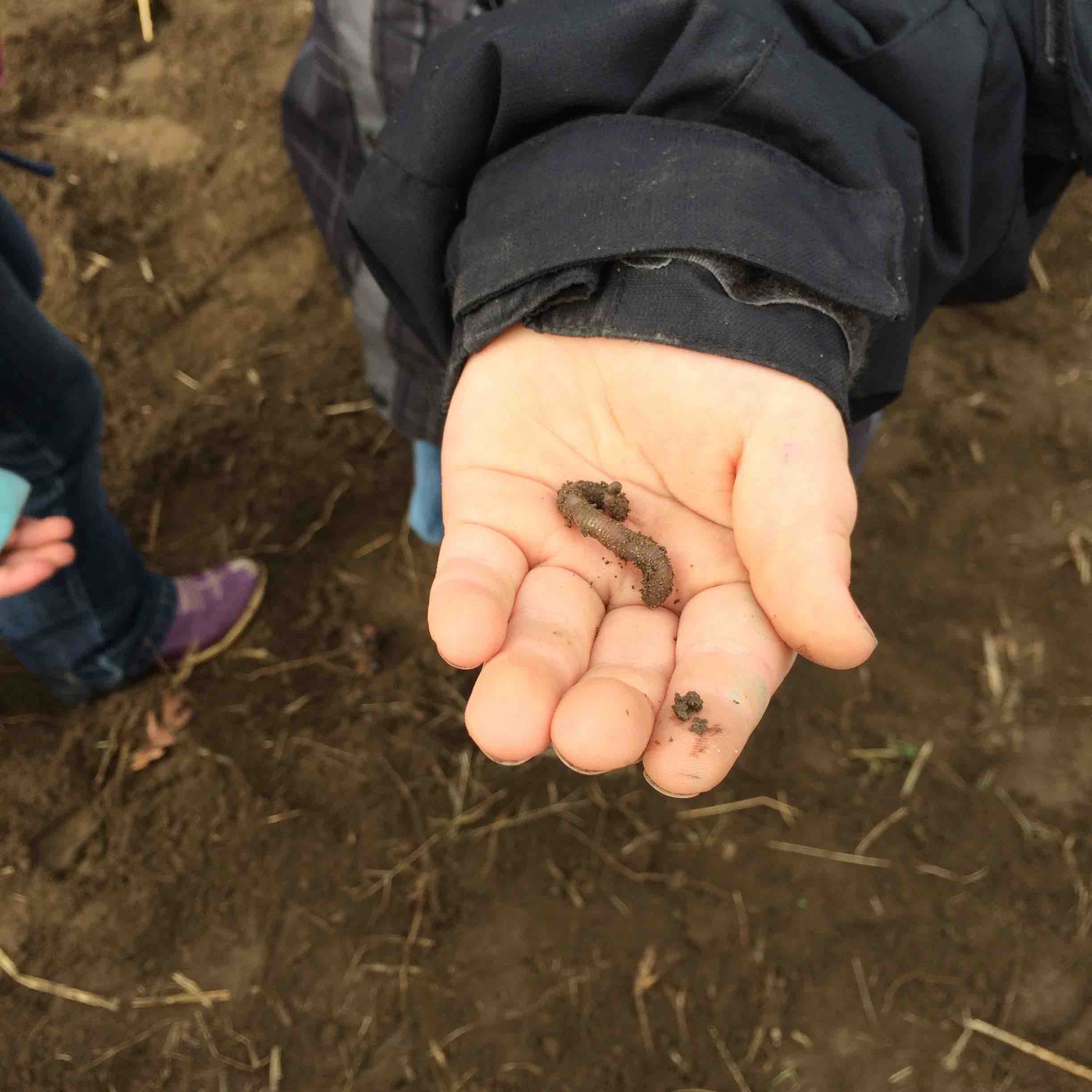
Look what I found!

Look what I found!

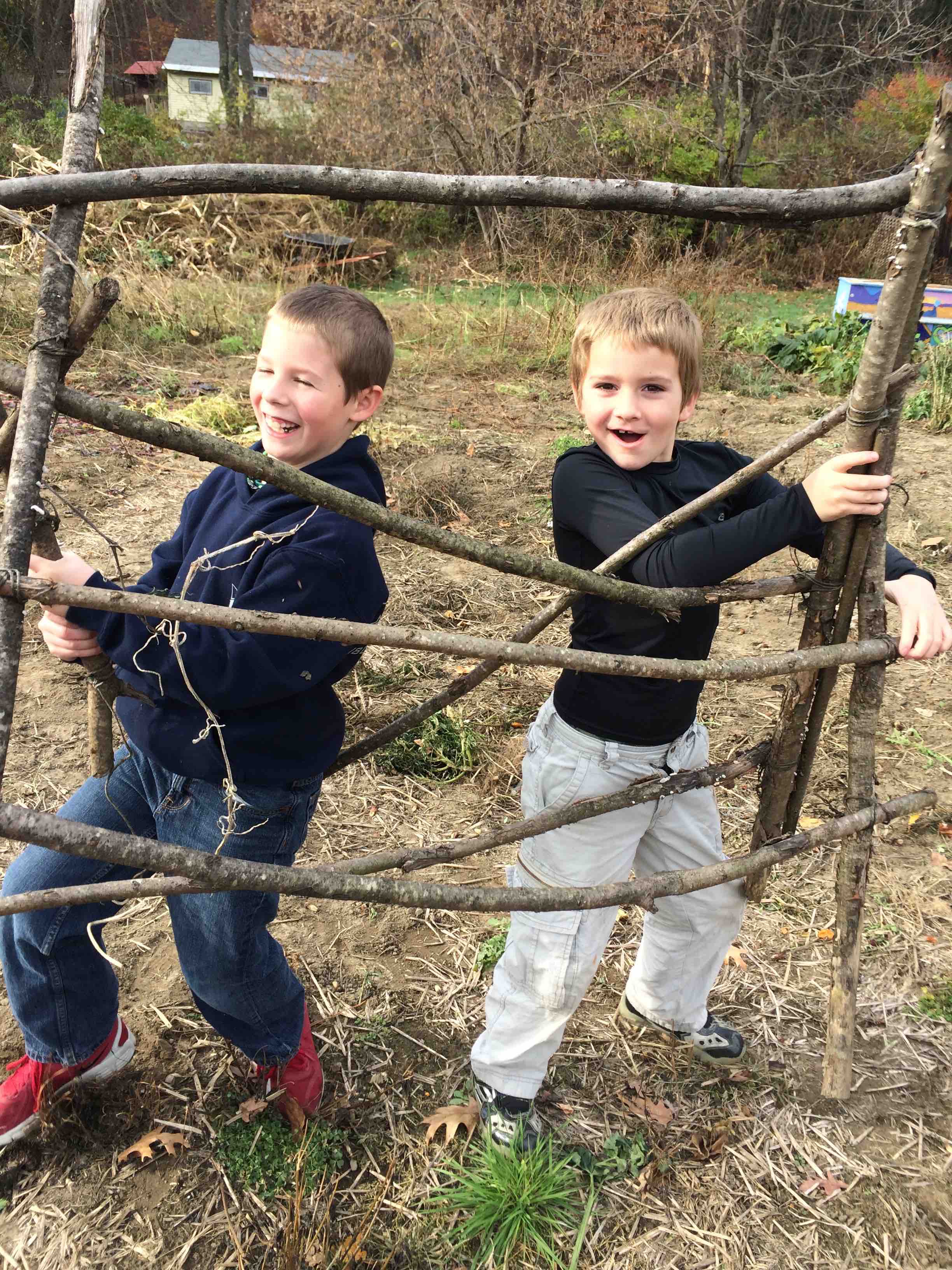
taking down structures

taking down structures


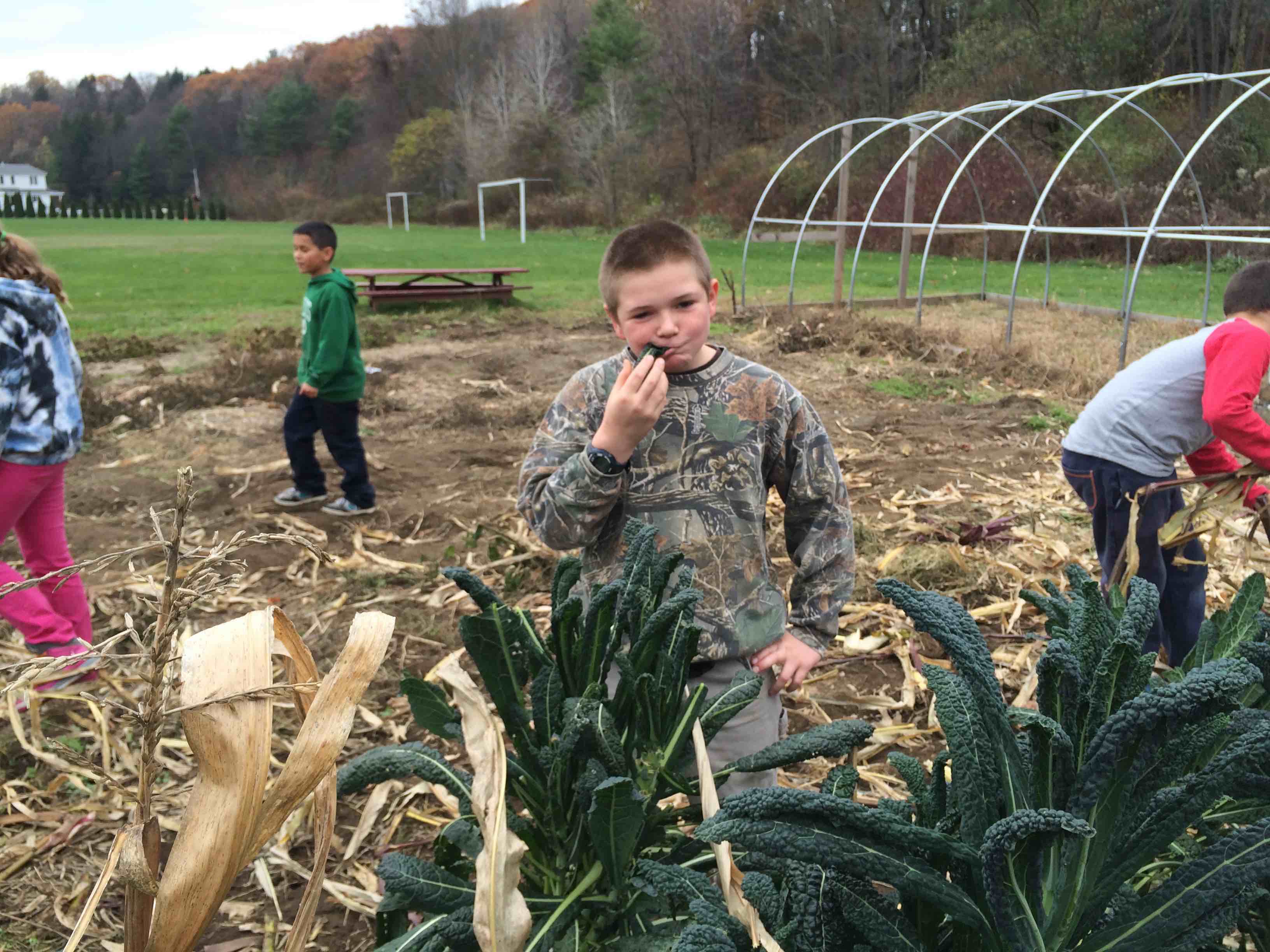
kale will keep growing through November

kale will keep growing through November

volunteer from the Master Gardener program

volunteer from the Master Gardener program

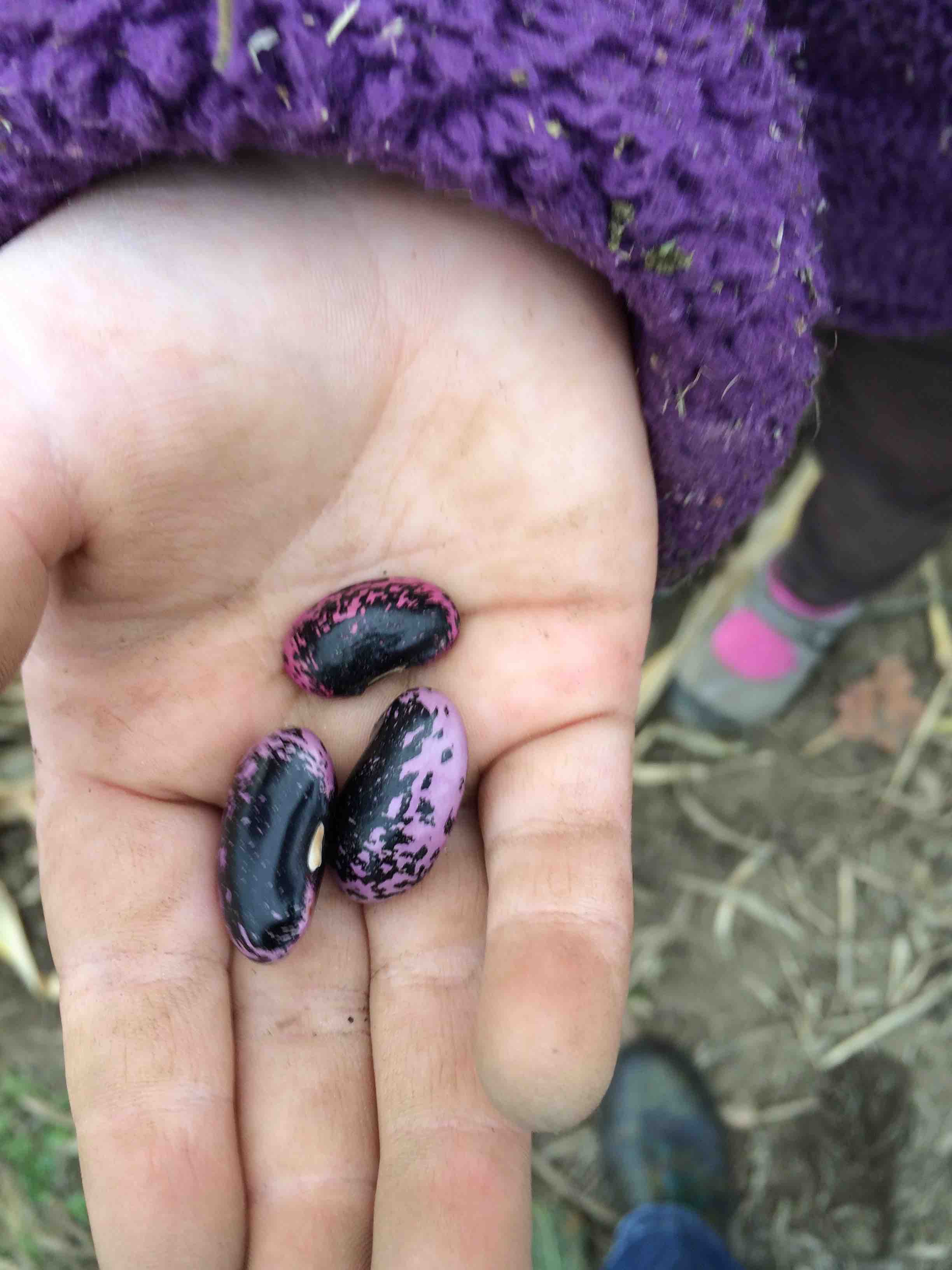
magic beans

magic beans

taking down the corn

taking down the corn

teamwork

teamwork

wheelbarrow help

wheelbarrow help

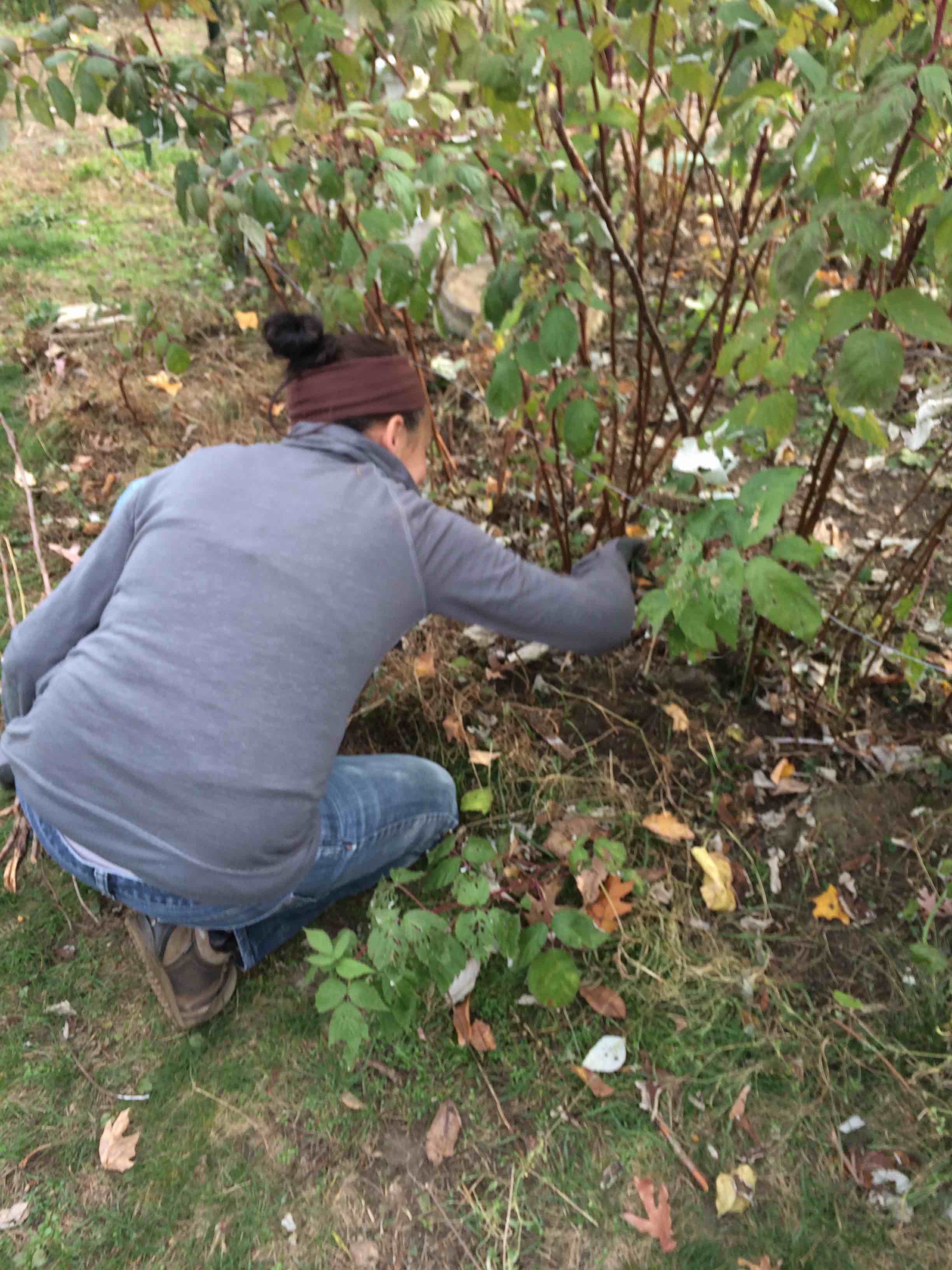
thinning raspberry canes

thinning raspberry canes