Vermont School Garden

A visit to a Vermont public school garden through the seasons.


Leave a comment

Corn Harvest

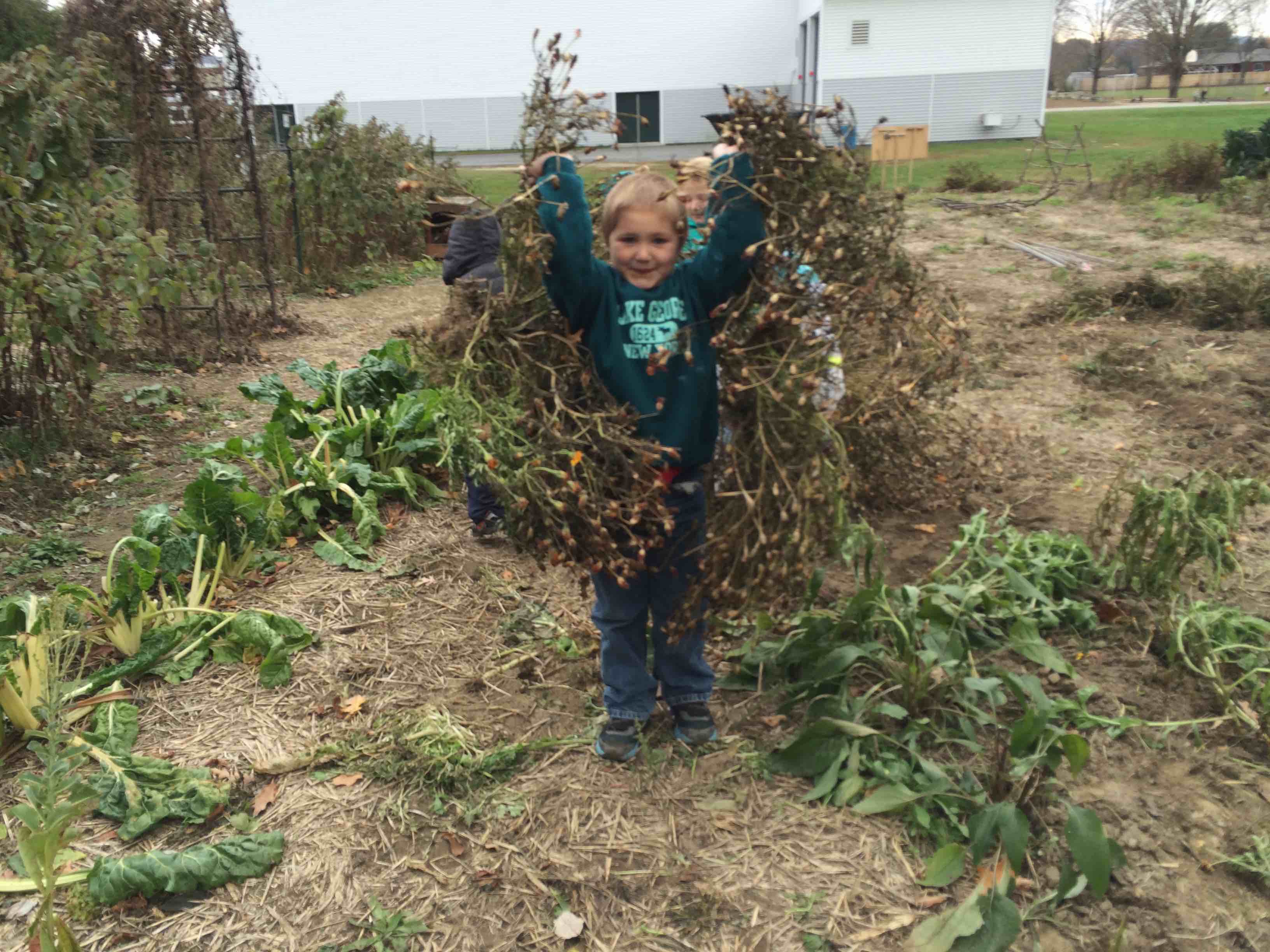
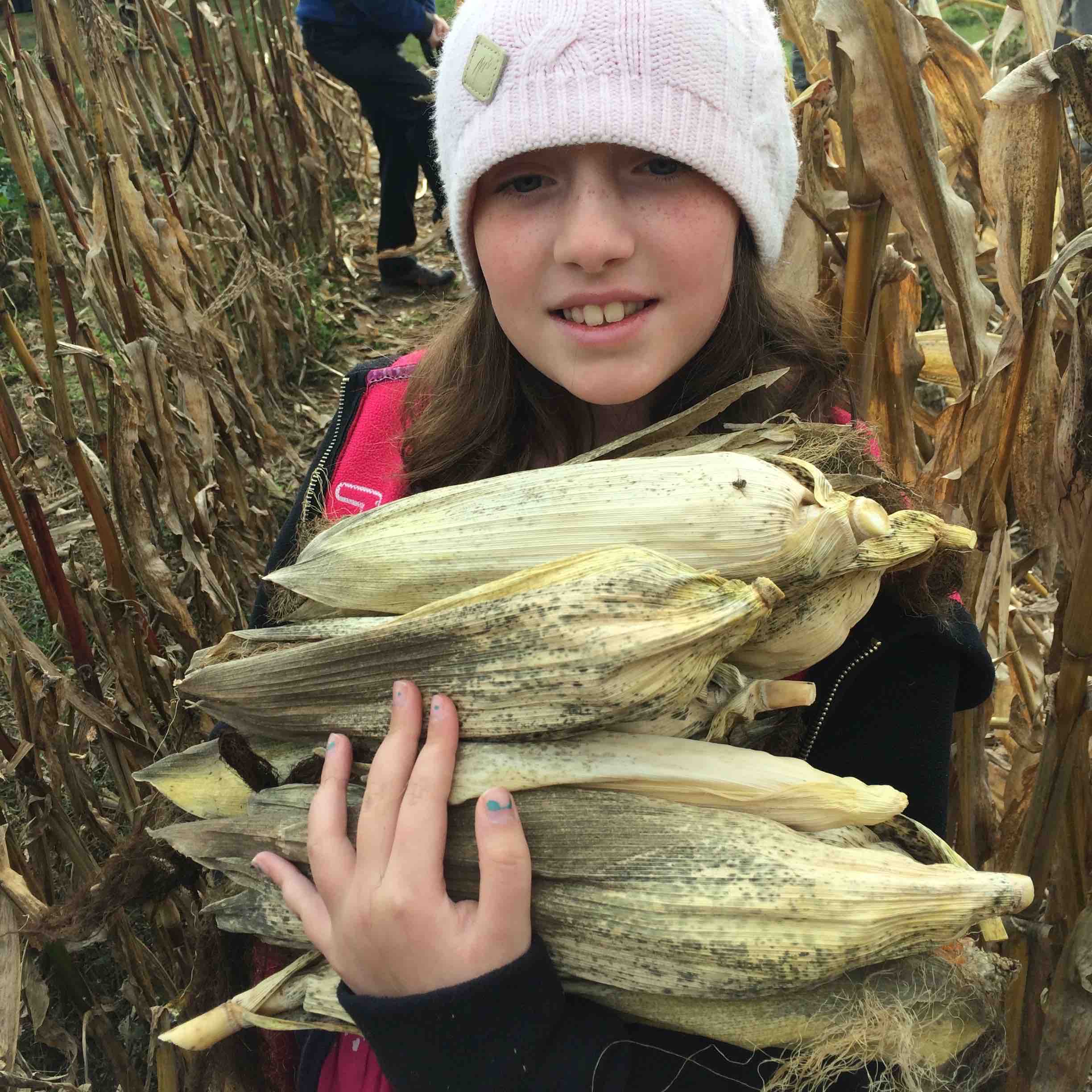
arms full

arms full

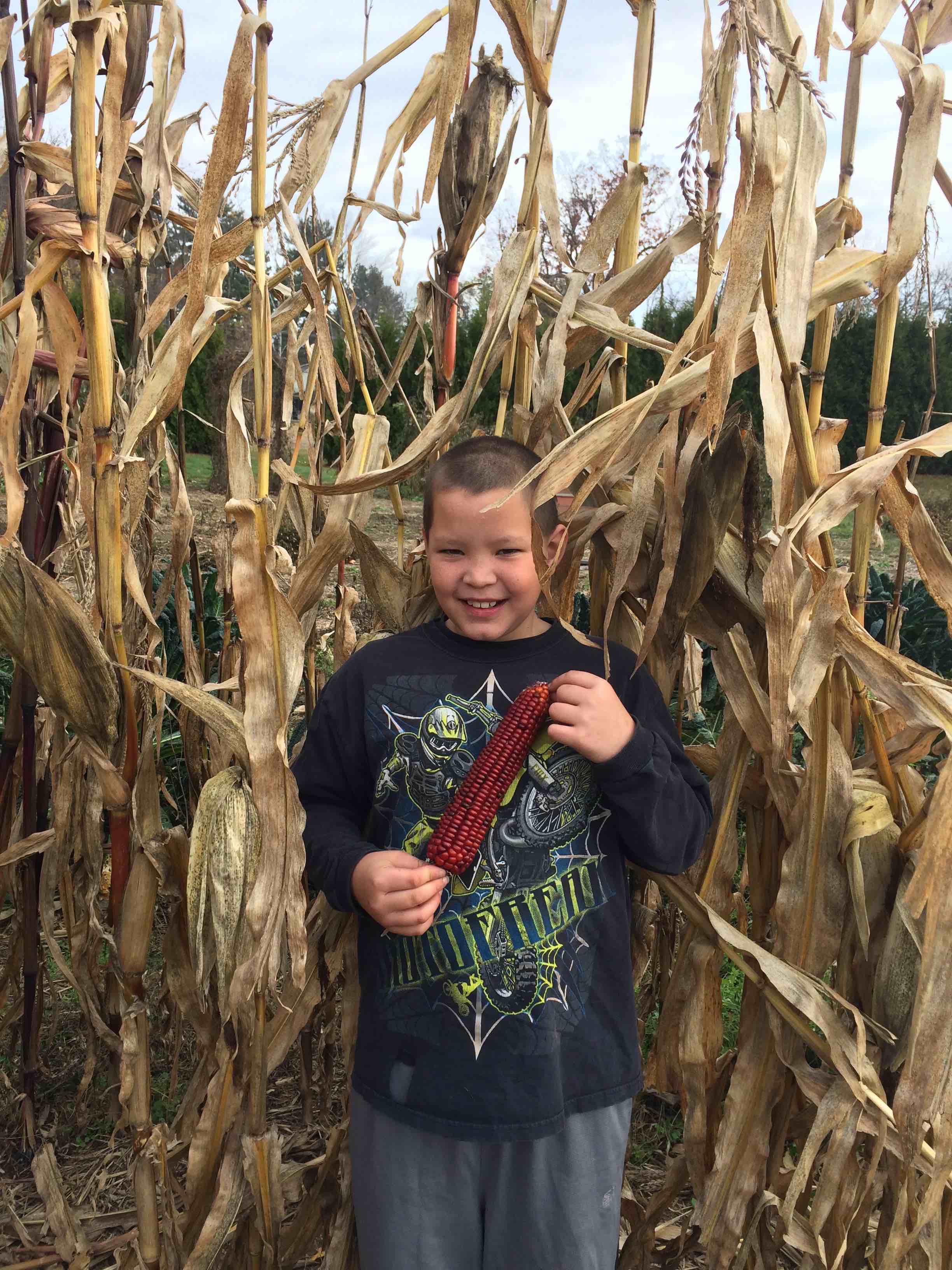
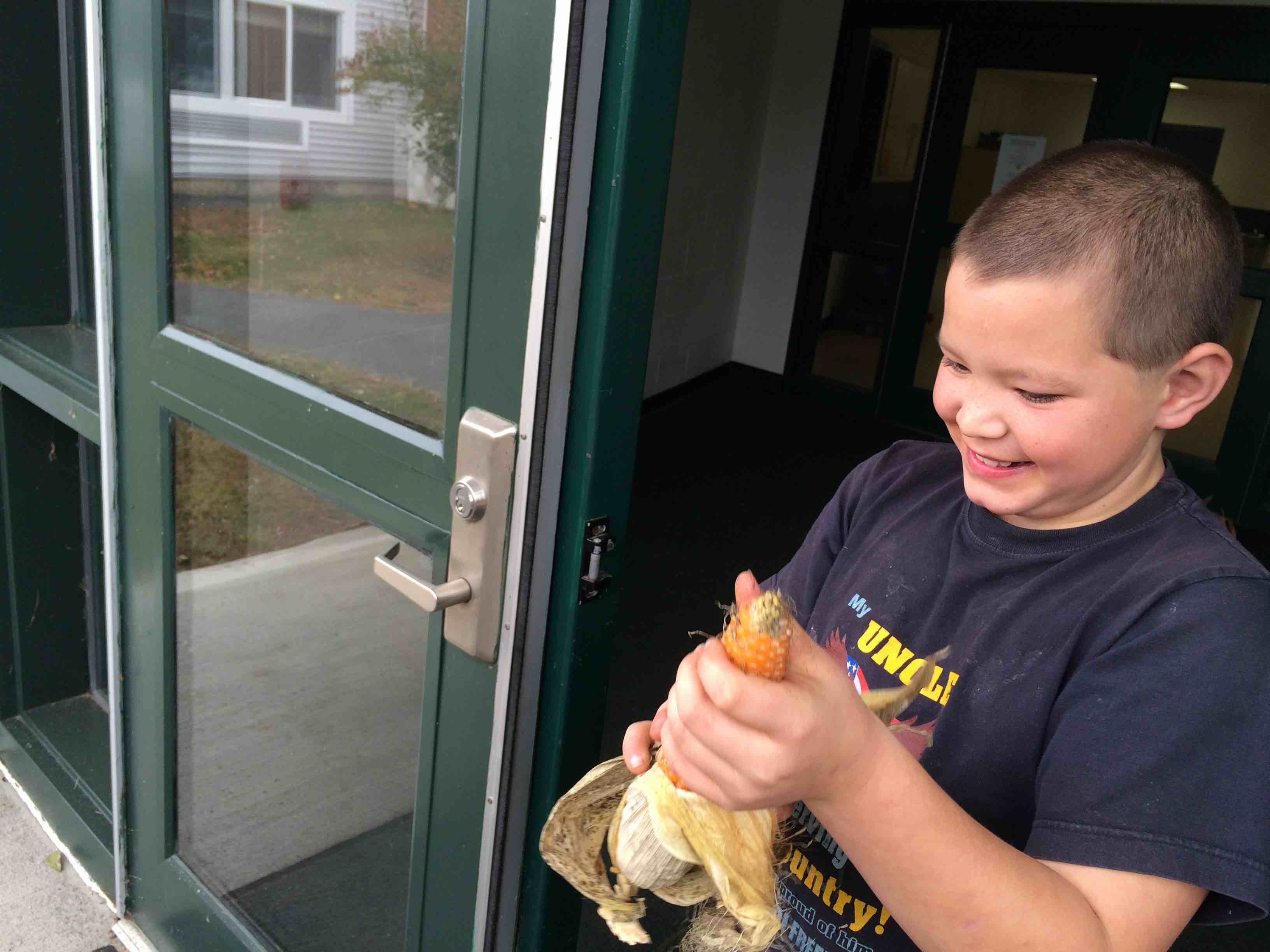
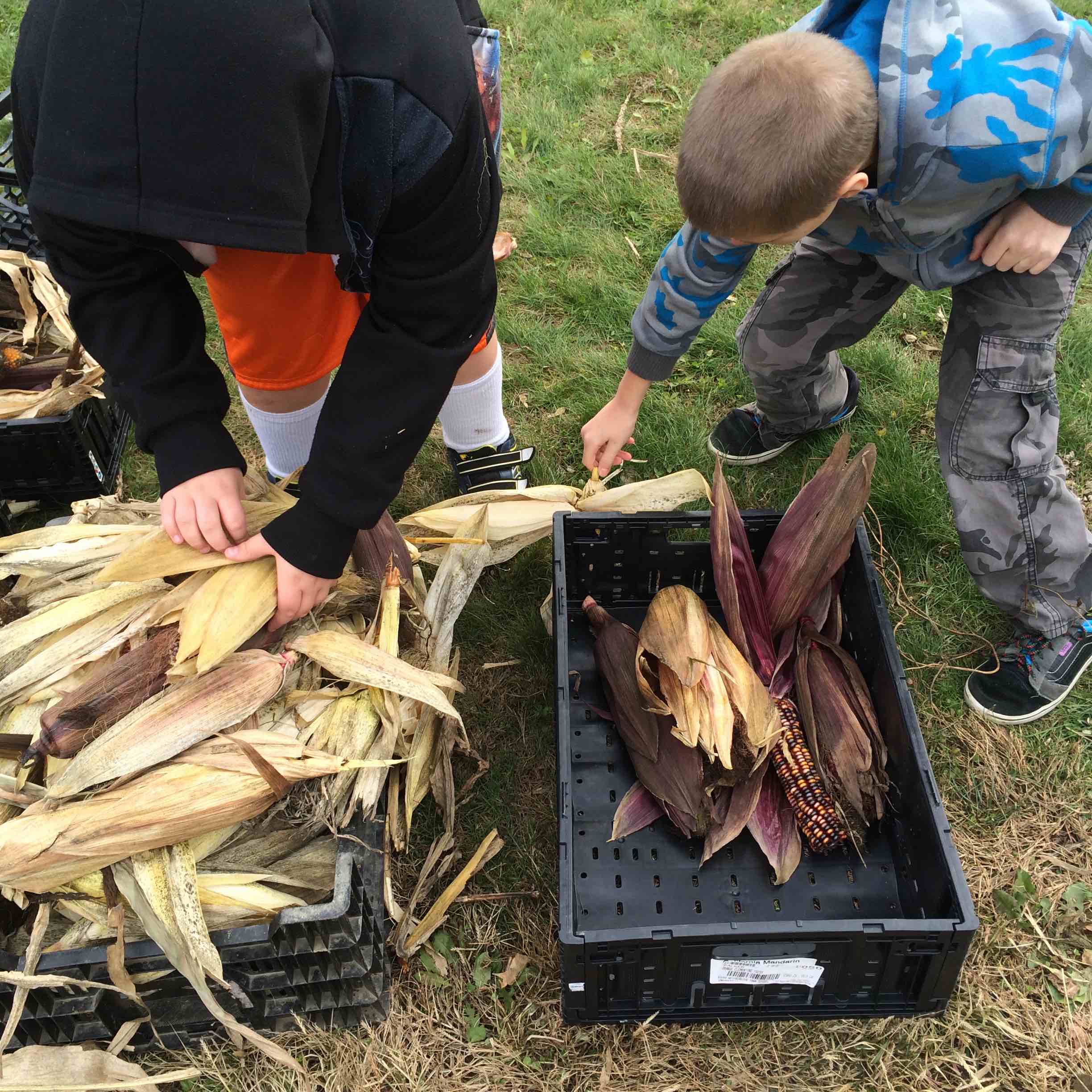
Fourth graders traditionally plant and harvest corn from our garden. This is the time of year for drying popcorn for their schoolmates’ weekly snack program. Some of the corn they harvested was flint corn. They will dry that type of corn for grinding into corn meal later in the year.


flint corn

flint corn

teaching first graders about popcorn

teaching first graders about popcorn


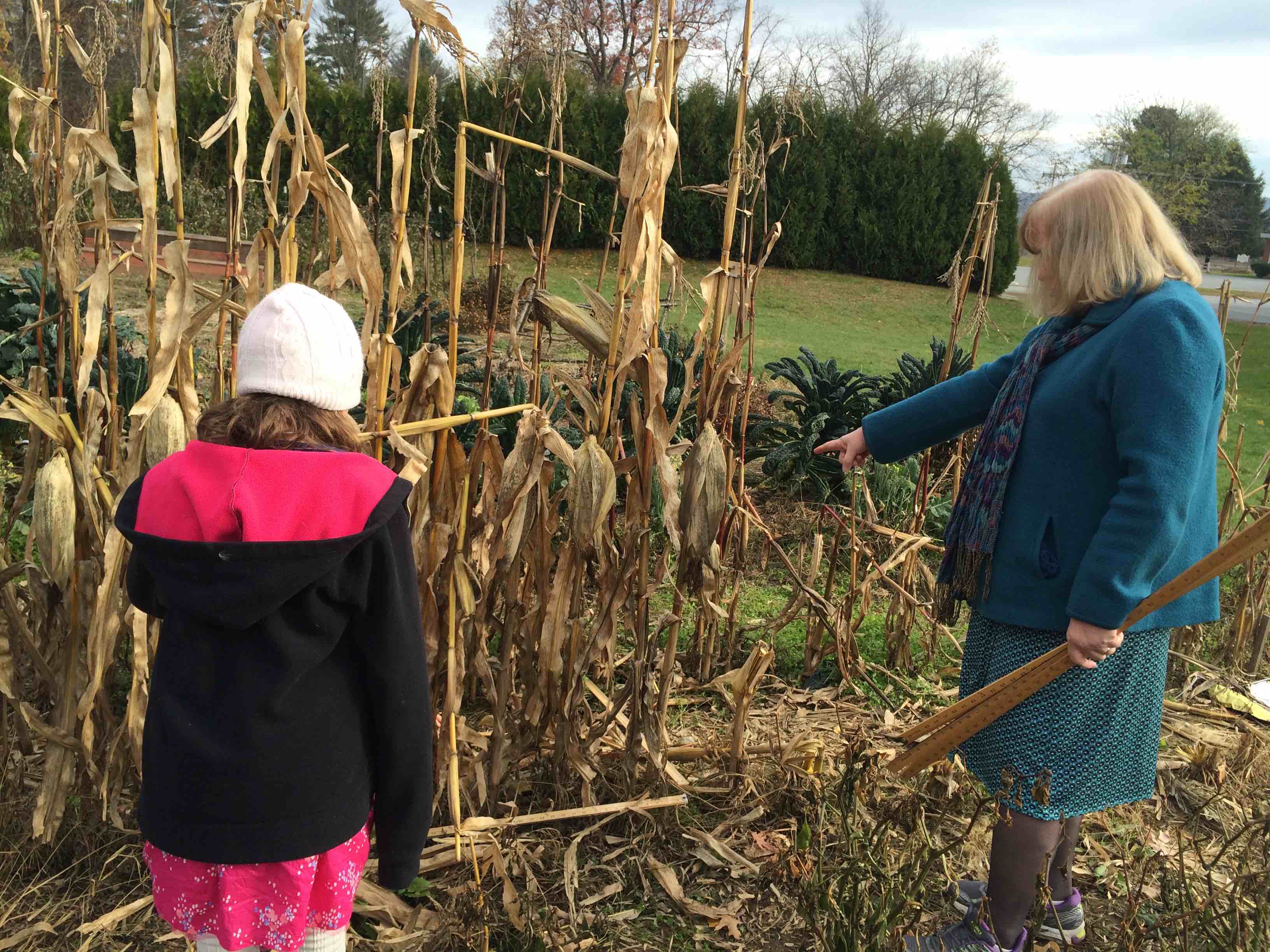
Right now, though, they were estimating and predicting how much corn they would be harvesting by doing a sample count in a 3 by 3 foot area of the corn rows.

estimating corn crop yield

estimating corn crop yield


sorting corn

sorting corn

finished counting corn

finished counting corn


Leave a comment

Measuring the Marigolds: First Grade Work

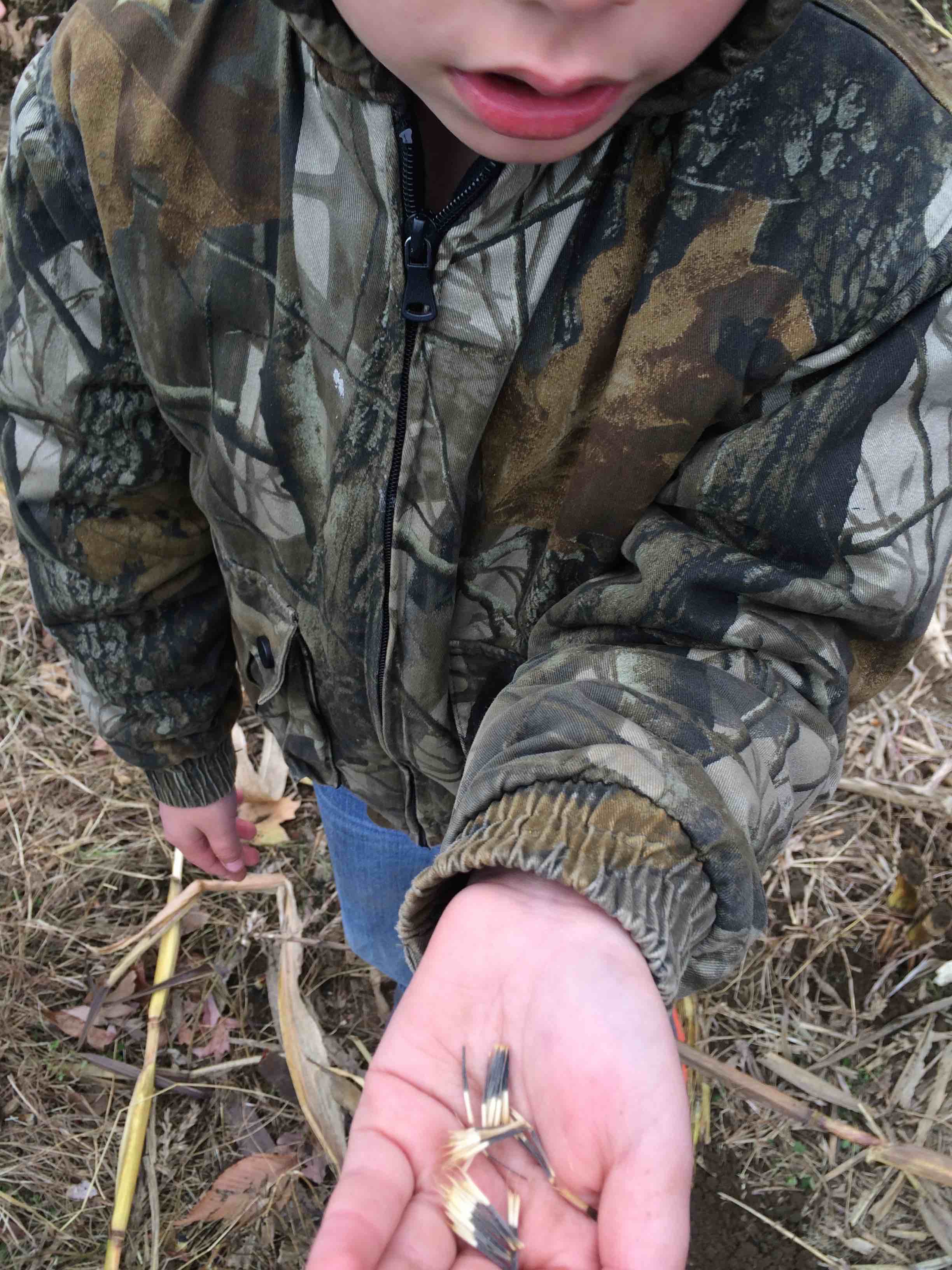
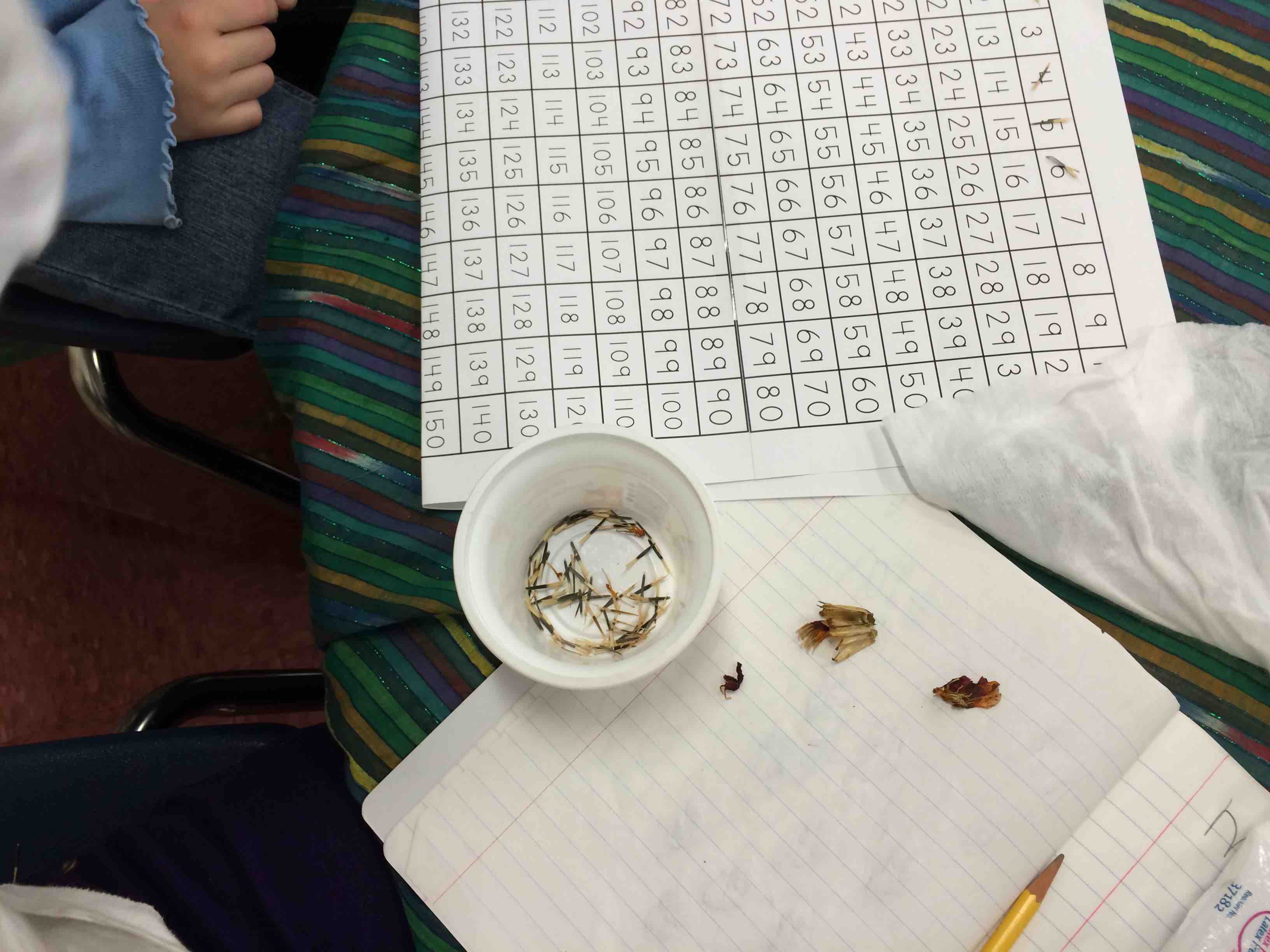
close-up marigold seeds

close-up marigold seeds

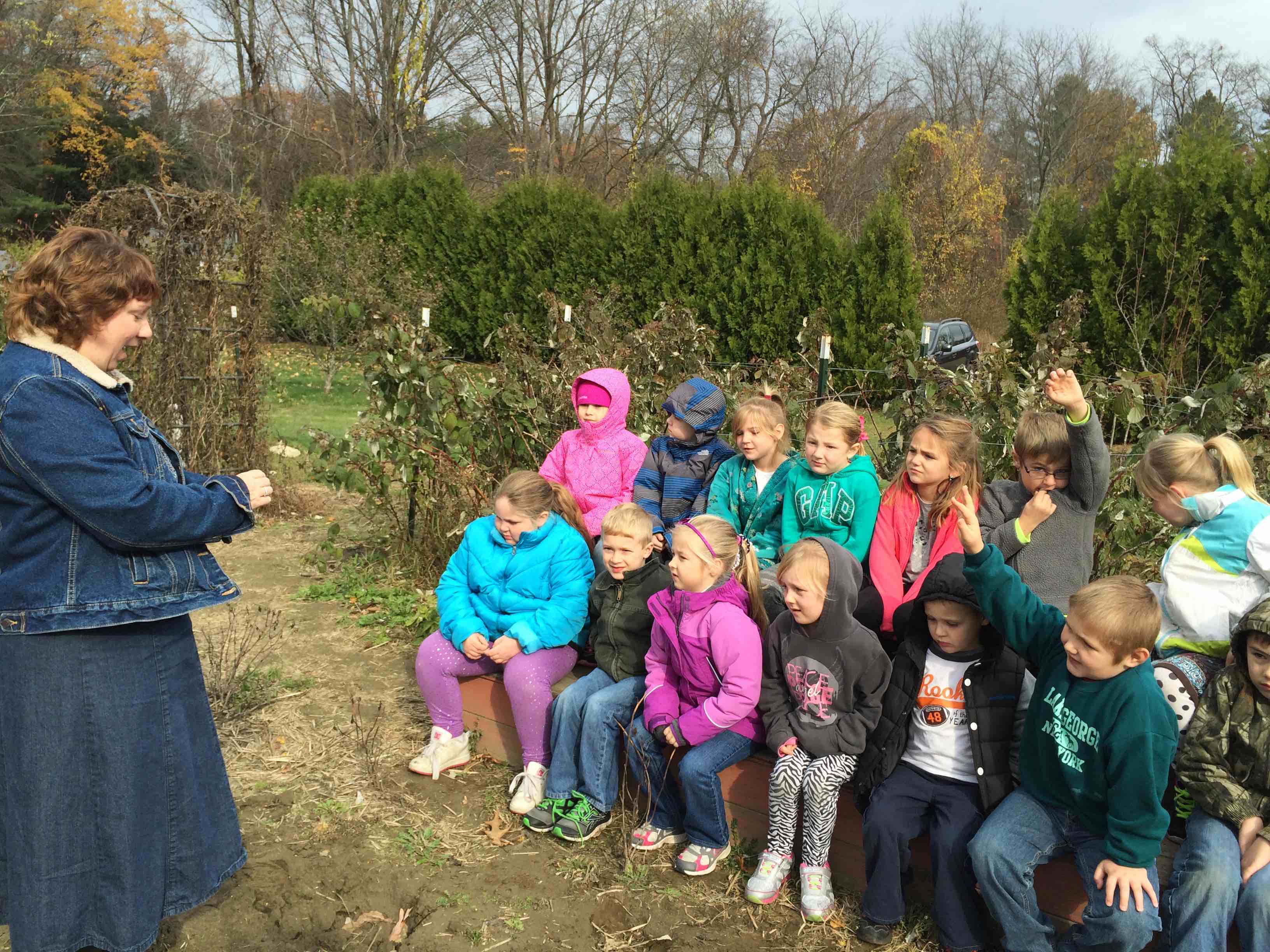
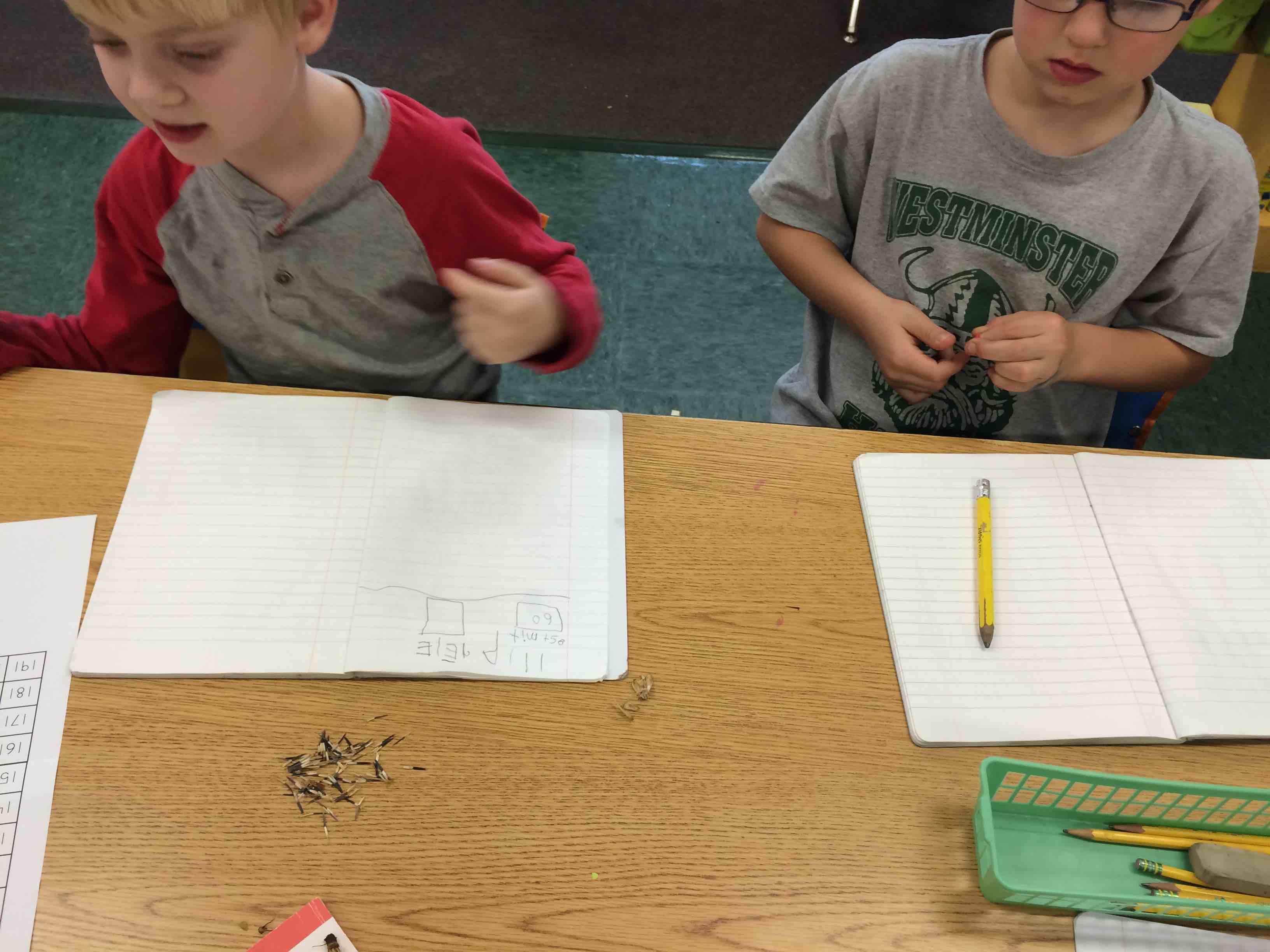
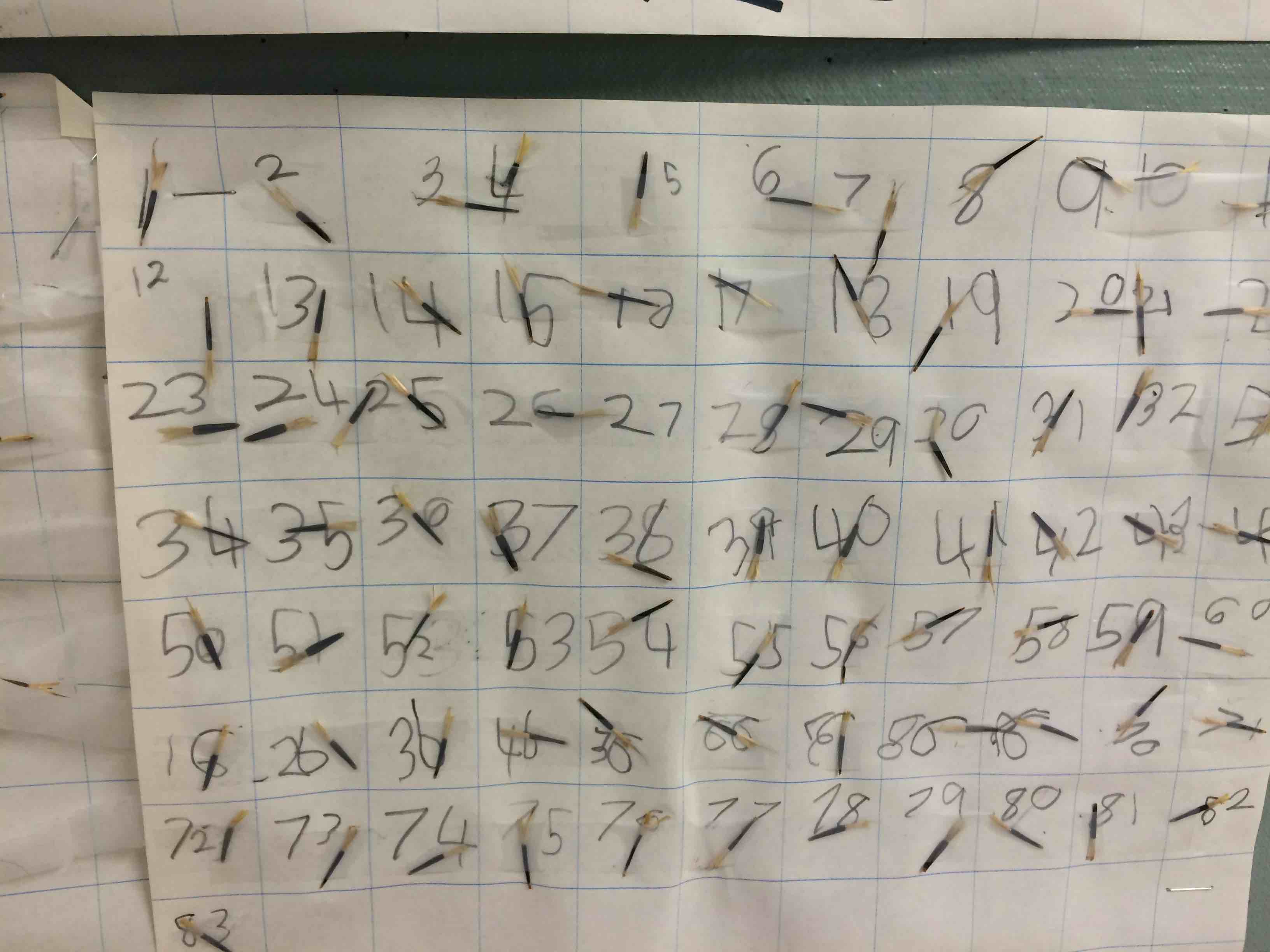
Using her own experiences as a gardener, first grade teacher, Kathy Hewes helped her class gather marigold seeds to conserve. In addition to saving the seeds from flowers, the class estimated how many seeds they would find in one flower. As the garden class moved into the school building, students were buzzing about big and BIGGER numbers. Look at some of their work below. (click to enlarge)

seed recycling lesson

seed recycling lesson

grade one estimate

How many seeds here?

How many seeds here?

irst grade mathematicians

first grade mathematicians

verifying seed estimates

verifying seed estimates

marigold seed count

marigold seed count


Leave a comment

Last Harvest Bonus: Beets, Scarlet Runner Beans and Celeriac (What IS Celeriac?)

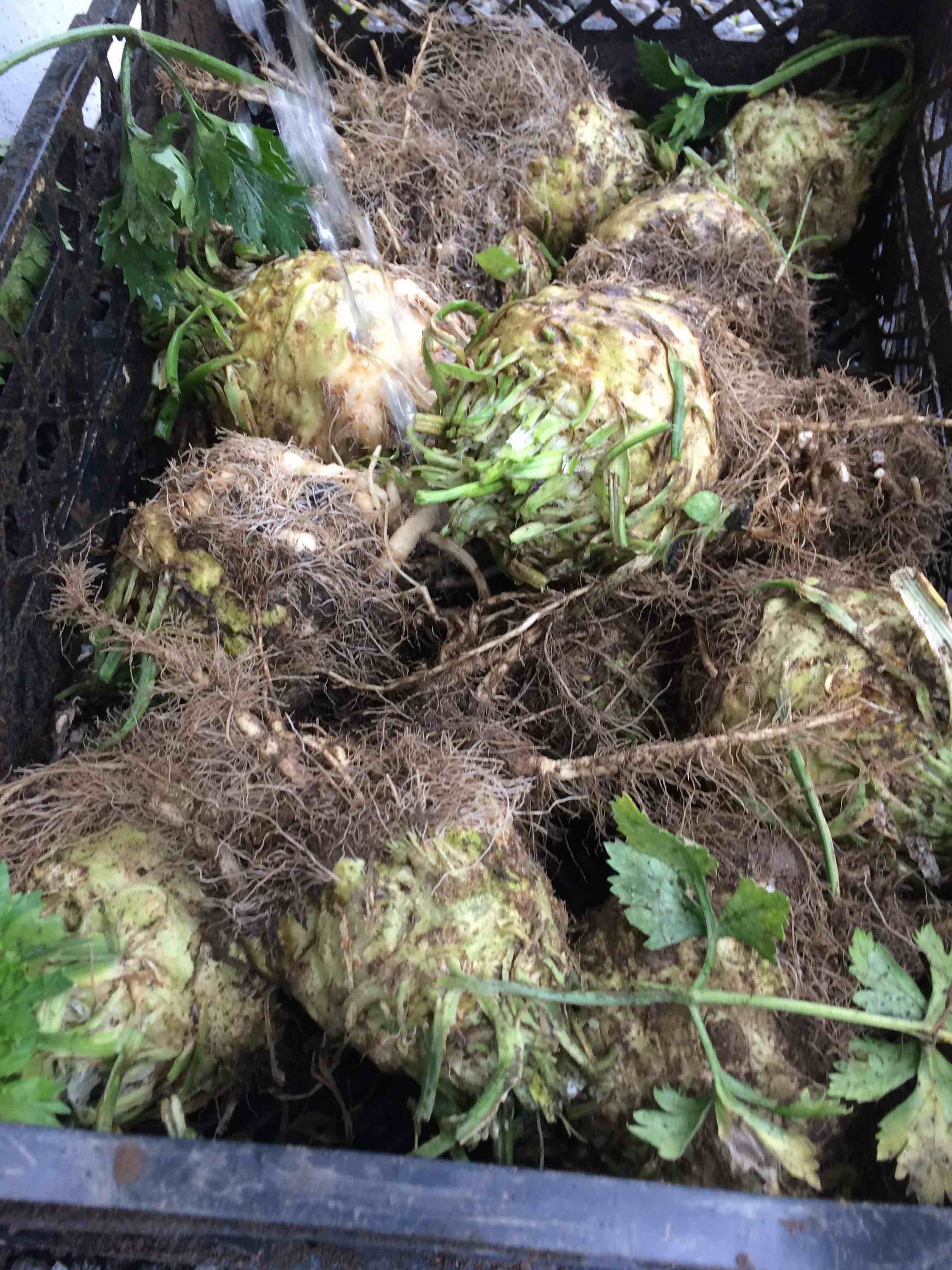
celeriac

celeriac

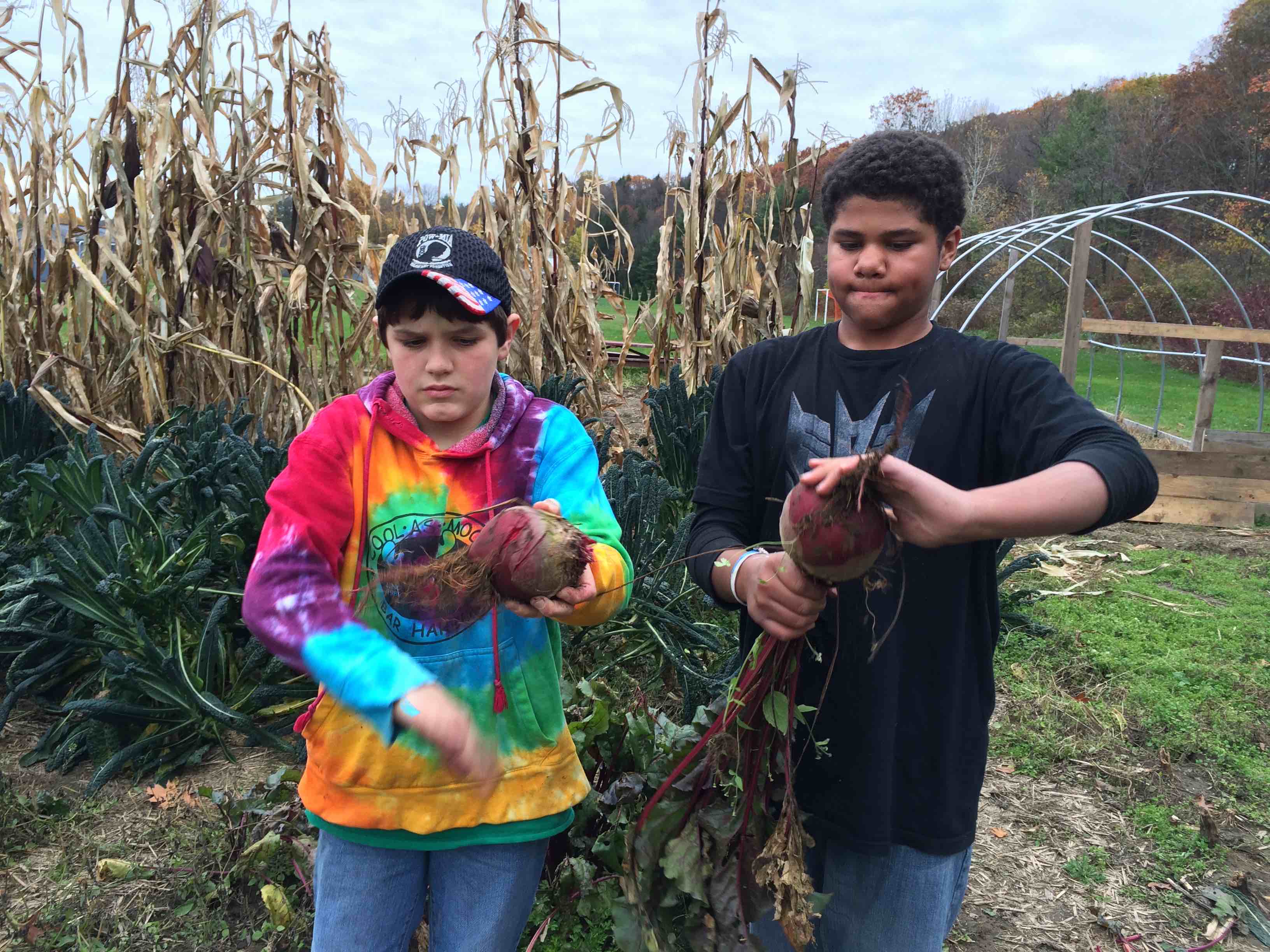
After School sixth graders discovered enormous beets when they went out to harvest last Friday. In addition, they pulled up all the celeriac, a root vegetable relative of celery. It can be roasted, pureed and served in fancy restaurants for big bucks. It can also be peeled, diced and used in soups for a delicious mild celery flavor. I’m sure students would even like it raw, peeled and sliced like carrots, with a dip. We have PLENTY of it, so we’ll keep you posted as to its uses.

giant beets

giant beets

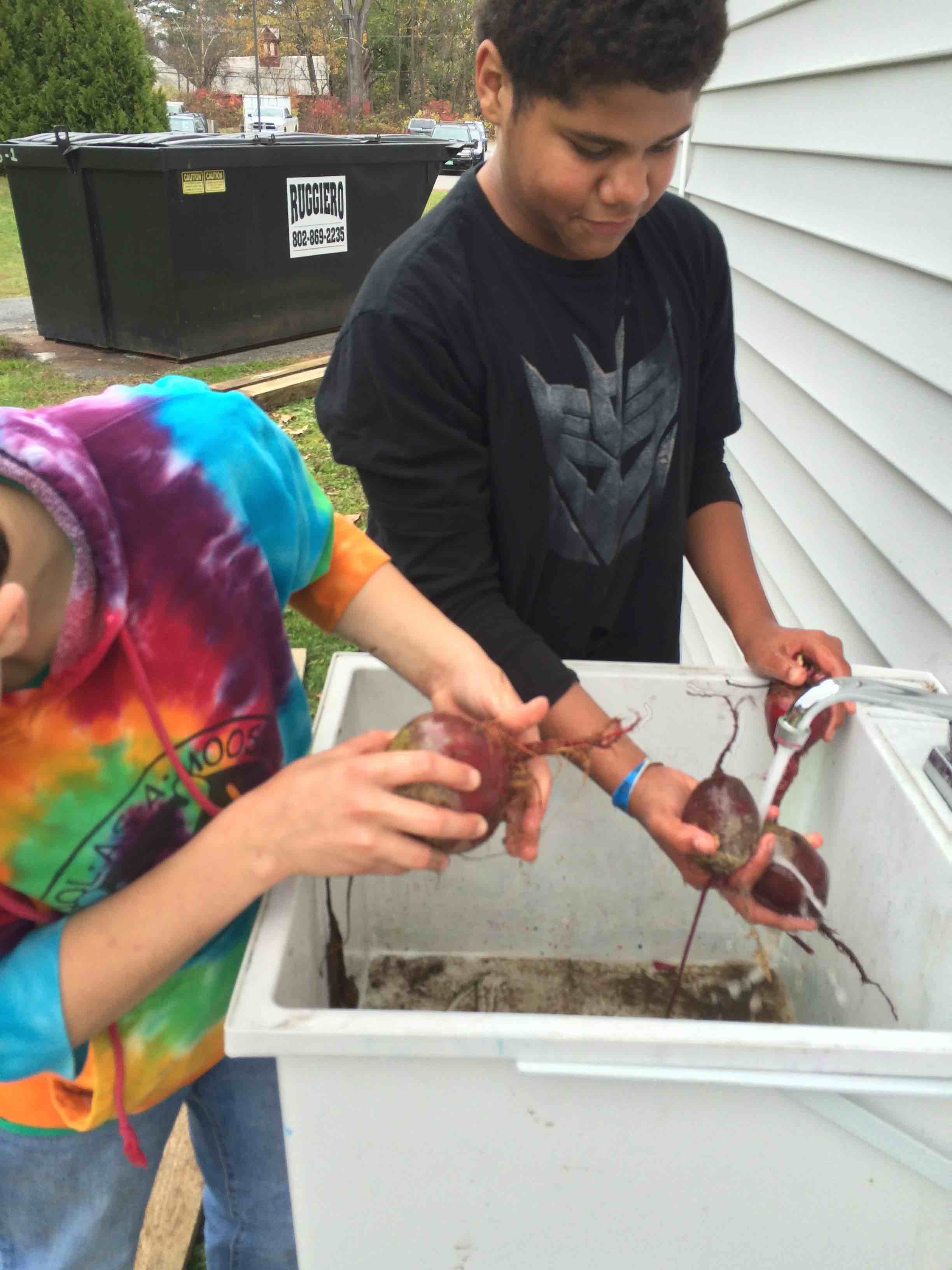
washing beets

washing beets

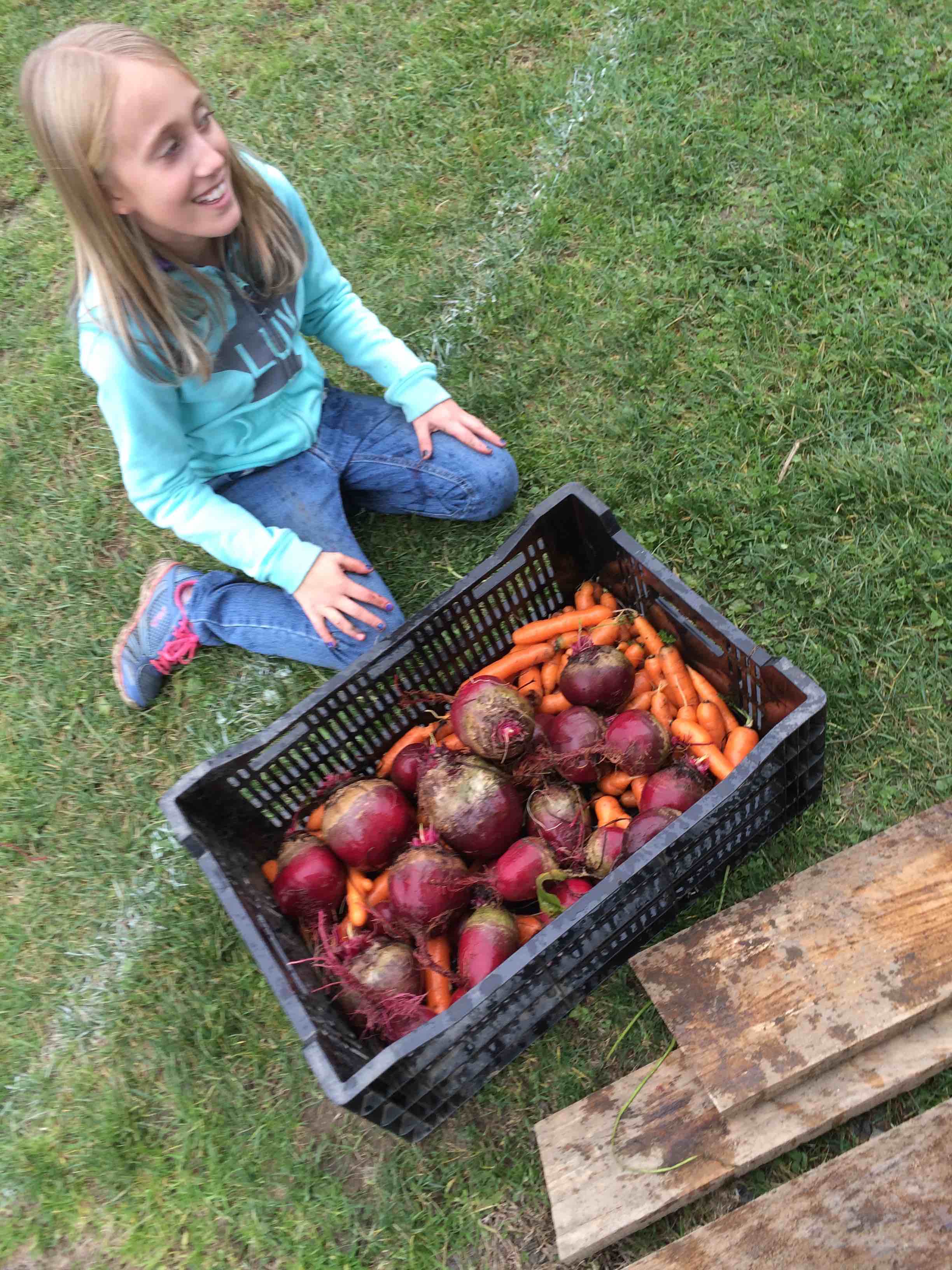
carrot and beet harvest

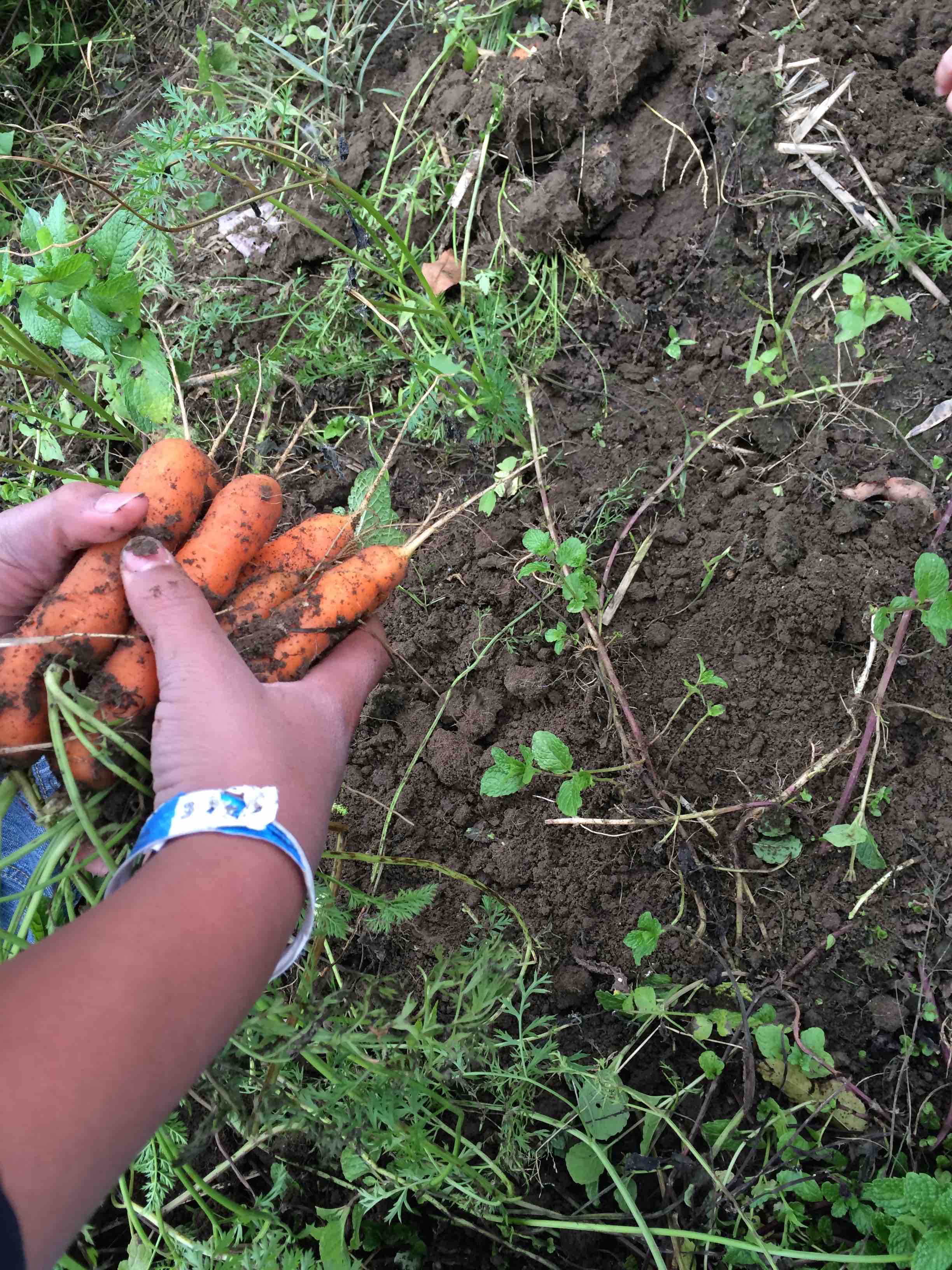
the last carrots out

the last carrots out

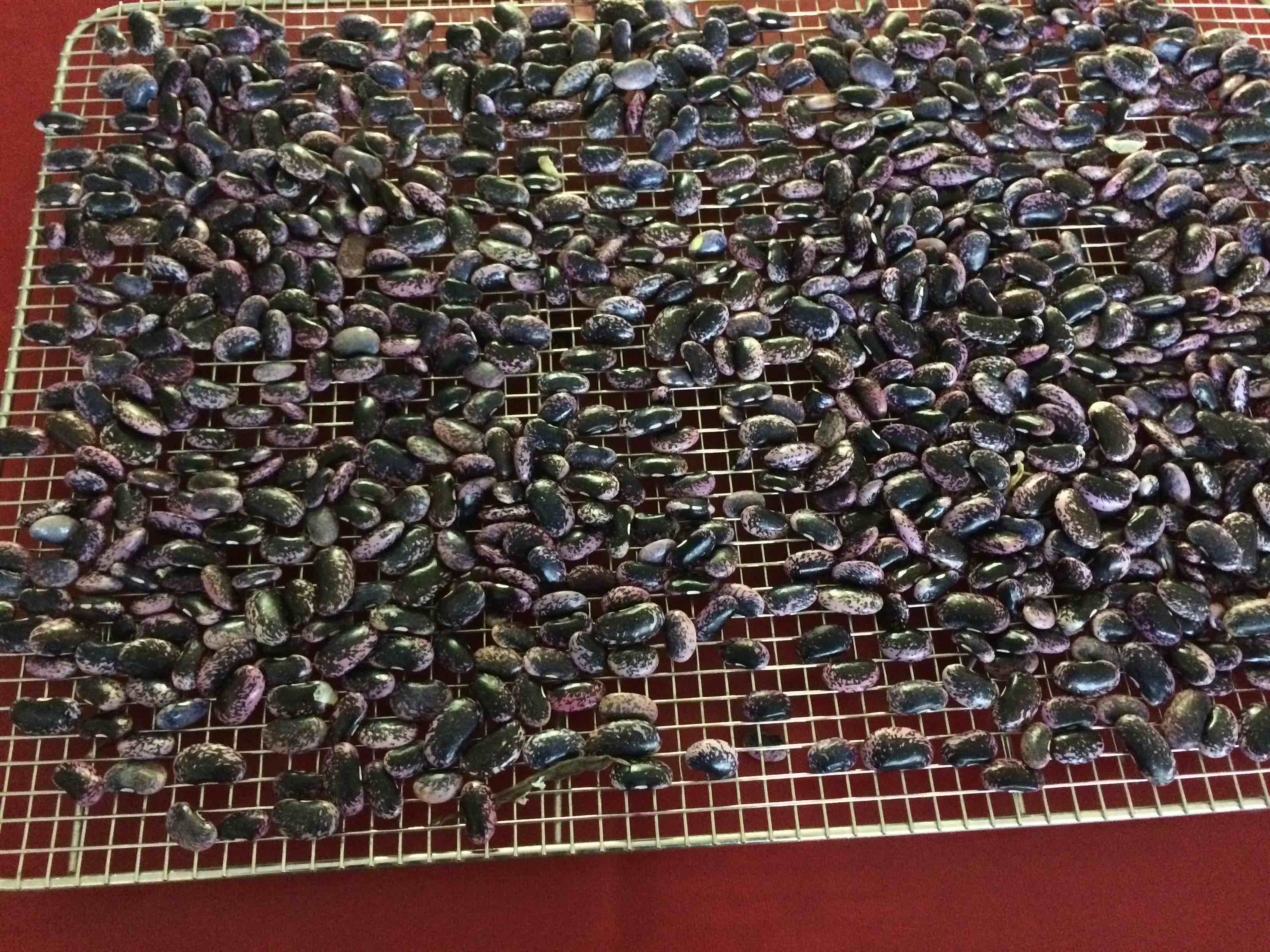
We washed and stored our beets, carrots and few stray onions. The scarlet runner beans were harvested and shelled. They’re now drying for use during the winter. I put them on a cookie sheet.

scarlet runner beans drying

scarlet runner beans drying

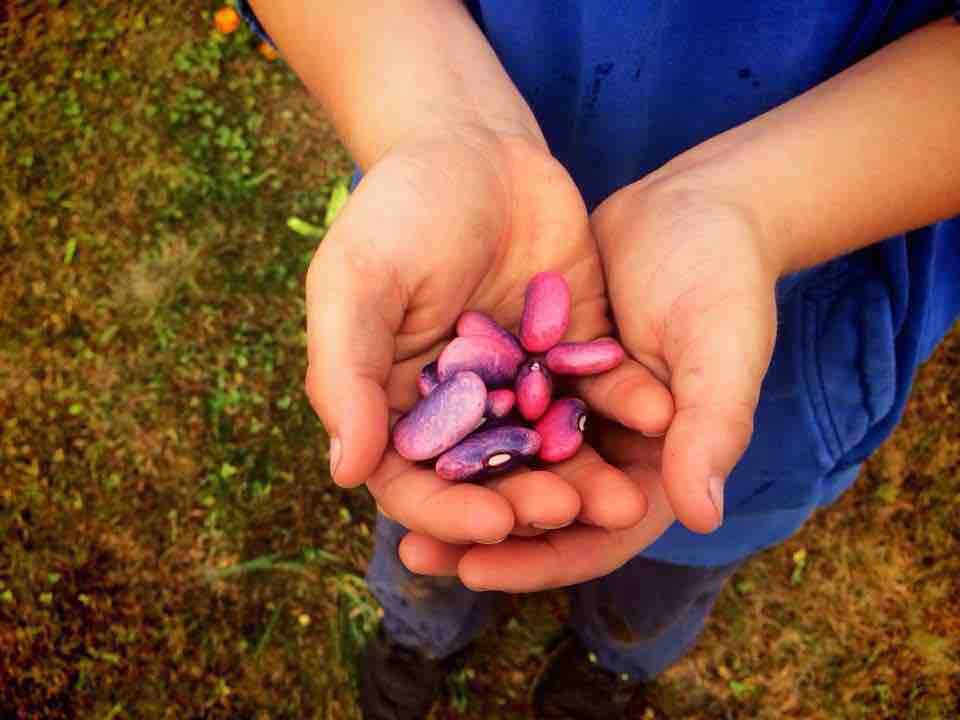
magic beans

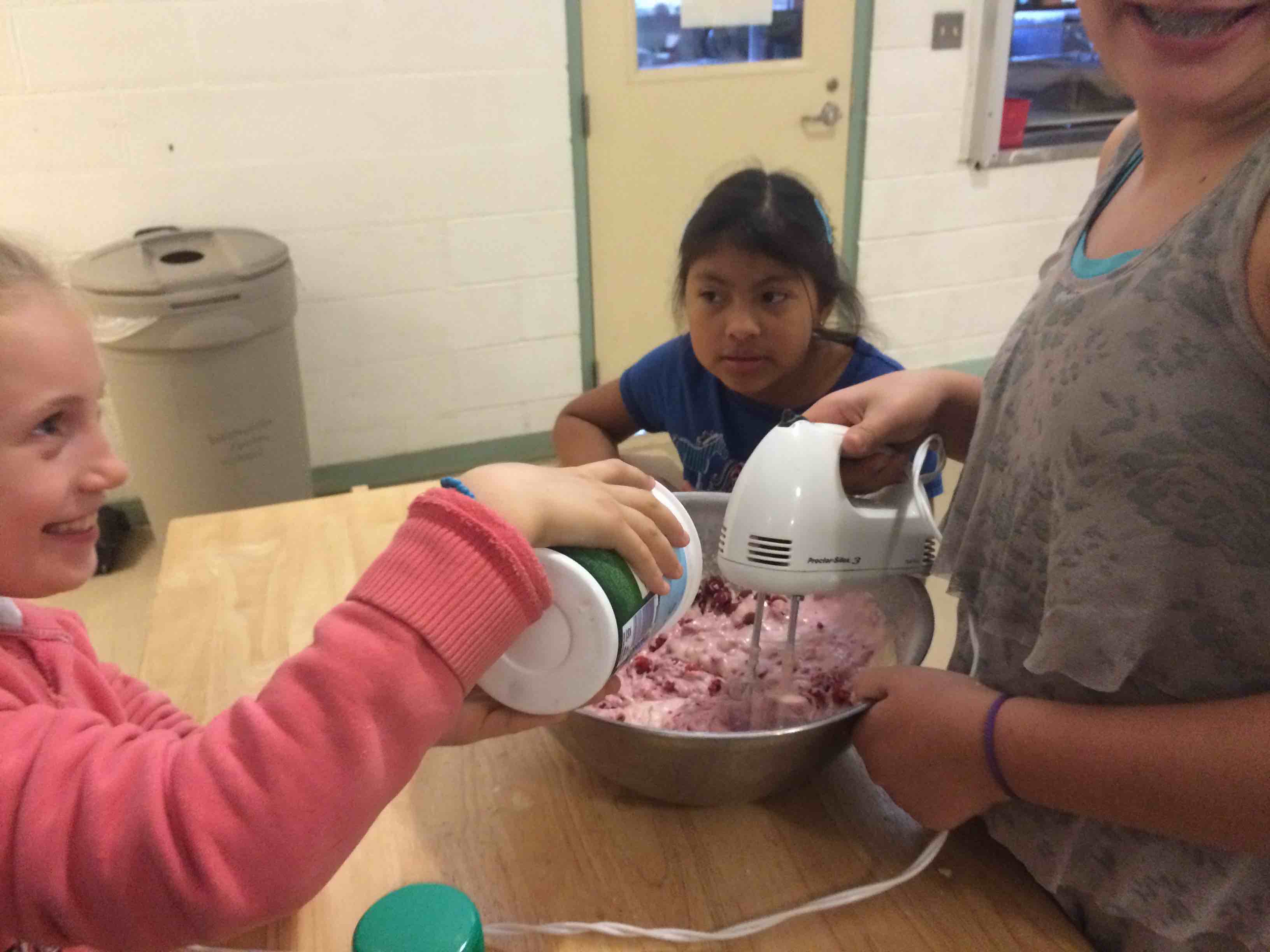
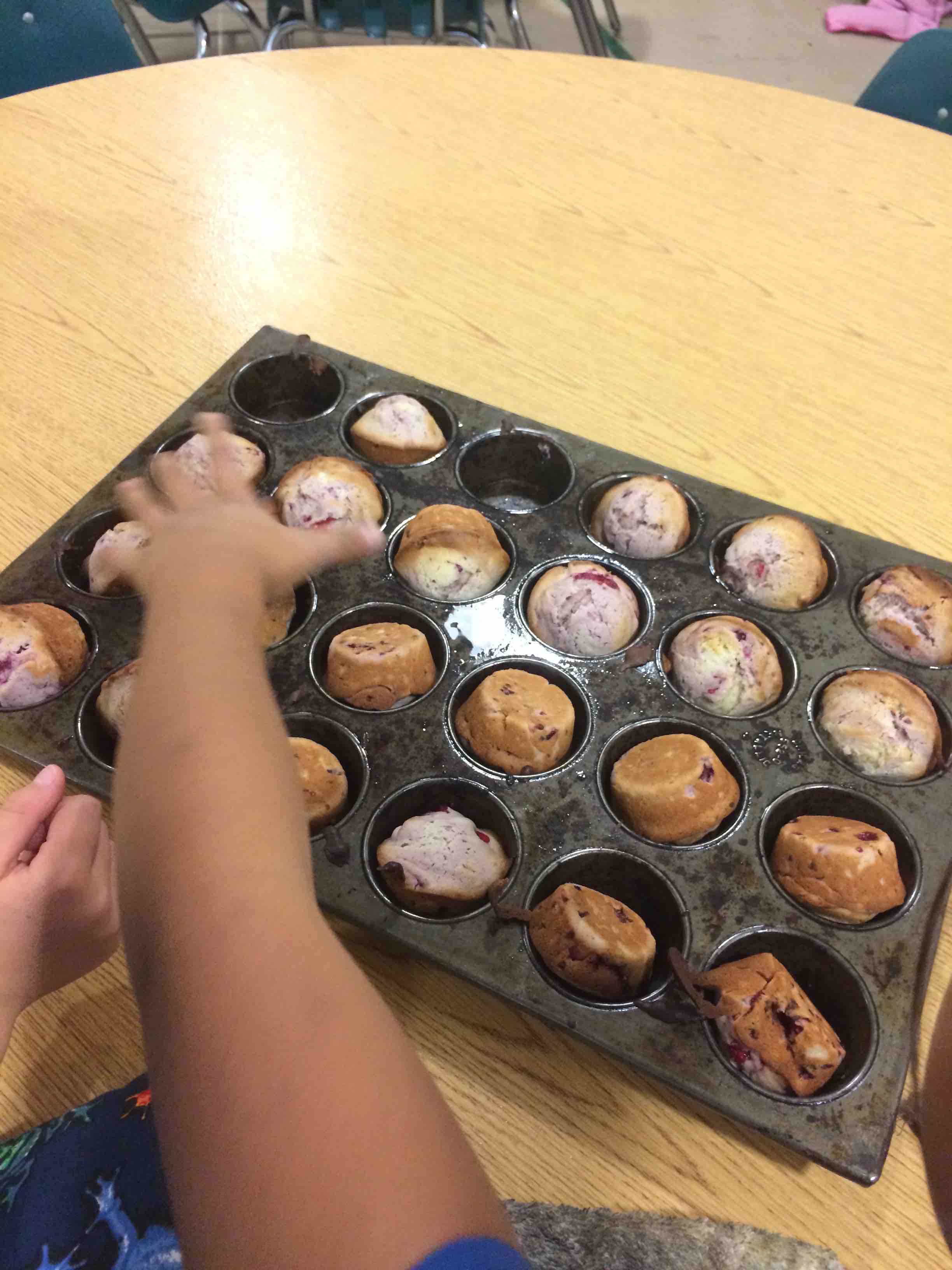
It’s great to give the kids a sense that they can use produce from their garden year-round. We’ve already made muffins with our frozen raspberries.

making raspberry  muffins

making raspberry muffins

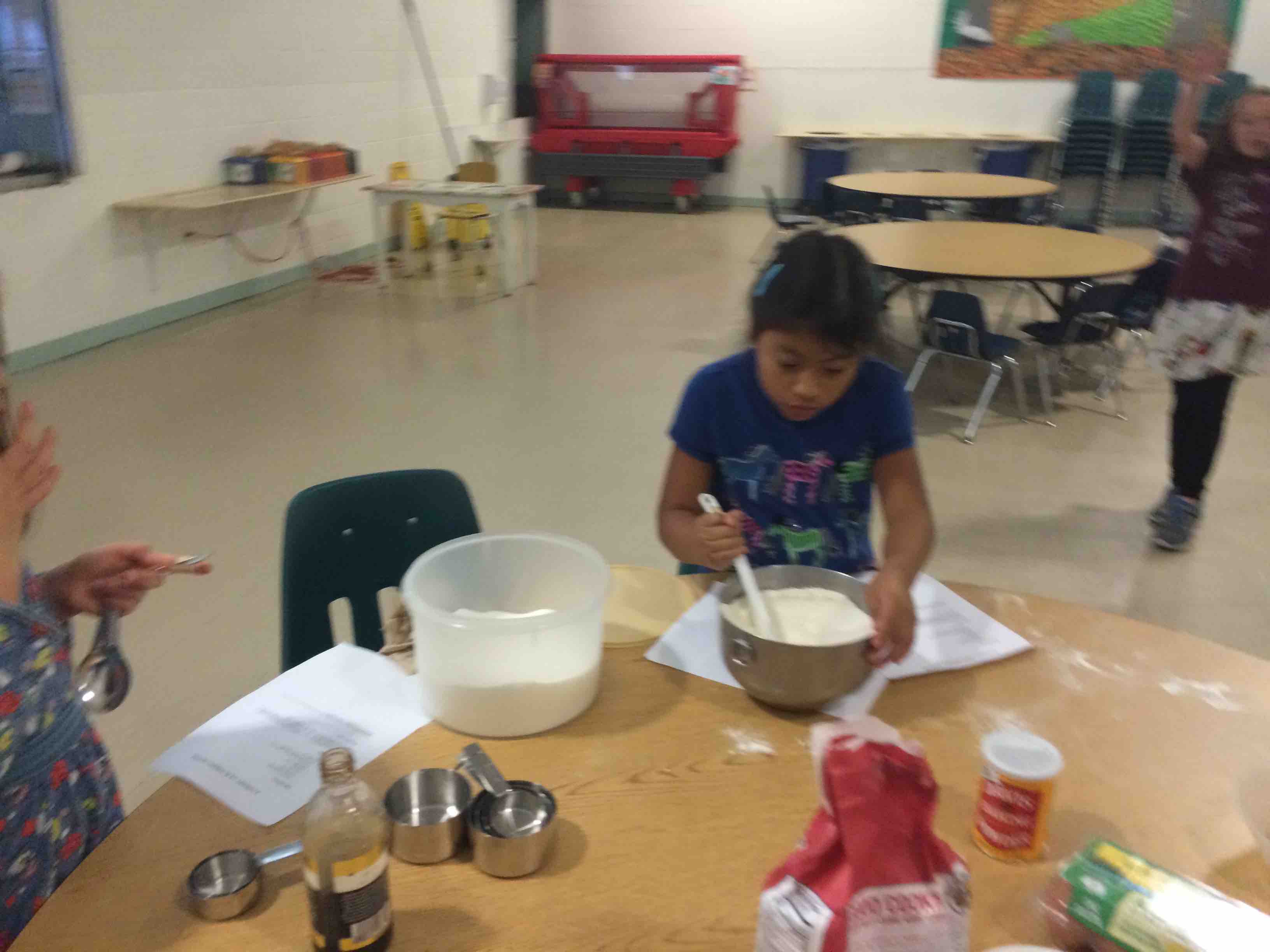
dry ingredients

kids in charge

kids in charge

reaching for a raspberry muffin

reaching for a raspberry muffin

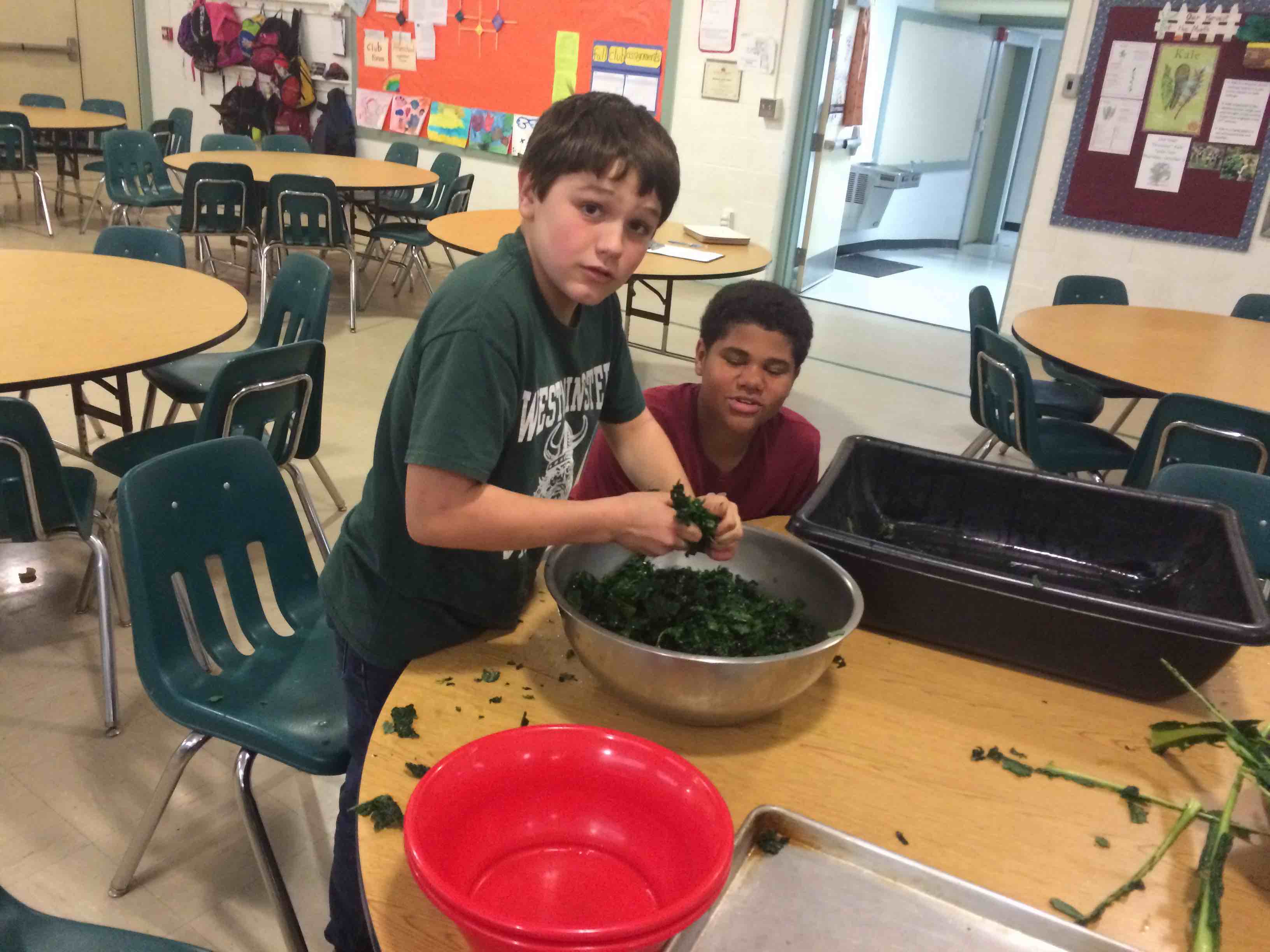
Kale continues to grow outdoors. We harvest it  whenever we’re out.

kale salad small pieces

kale salad small pieces

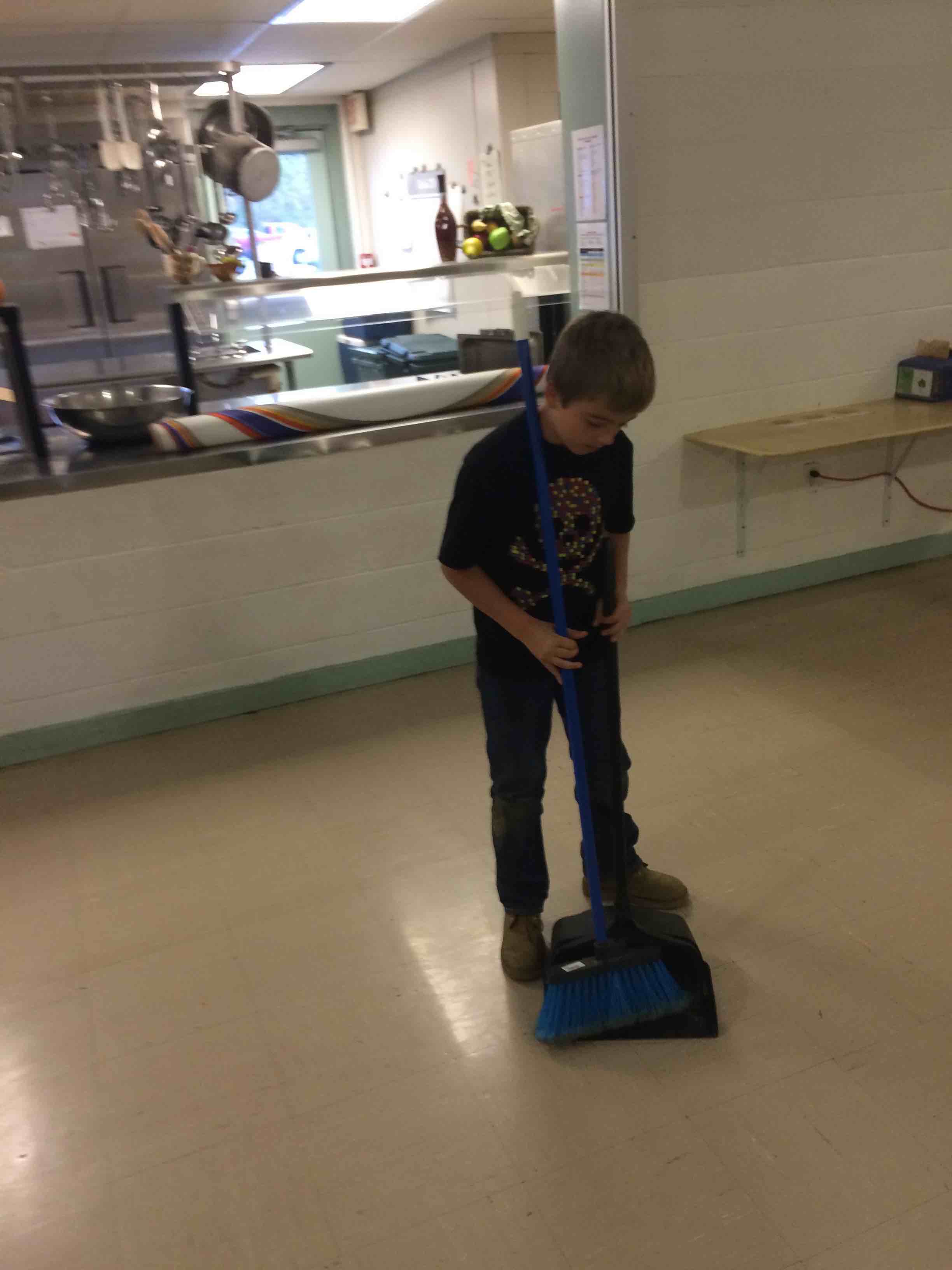
clean-up crew

clean-up crew


Leave a comment

October Gleaning: The Last of this Year’s Garden

K Boys in the Garden

K. Boys in the Garden (Flowers for Mom)

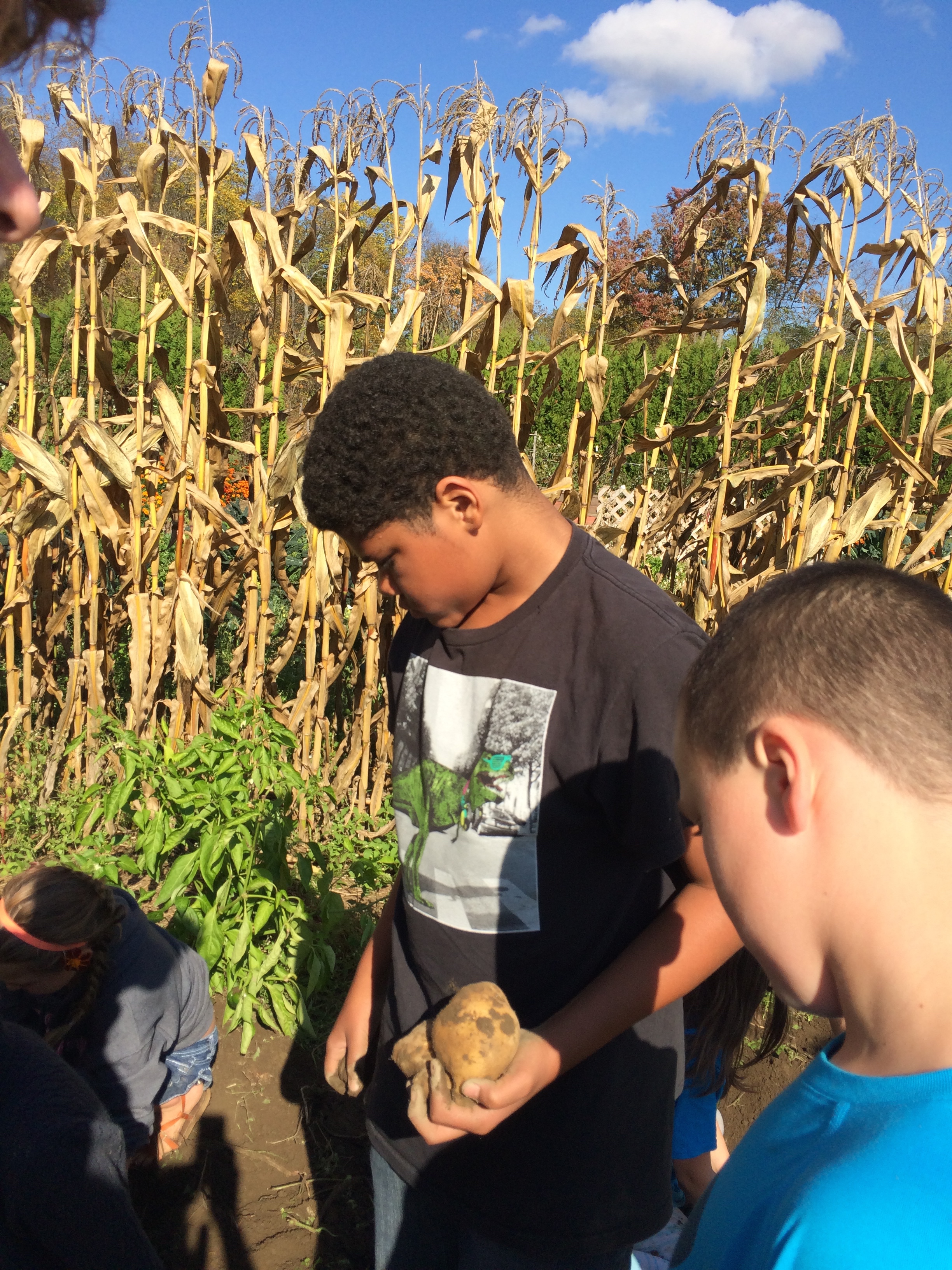
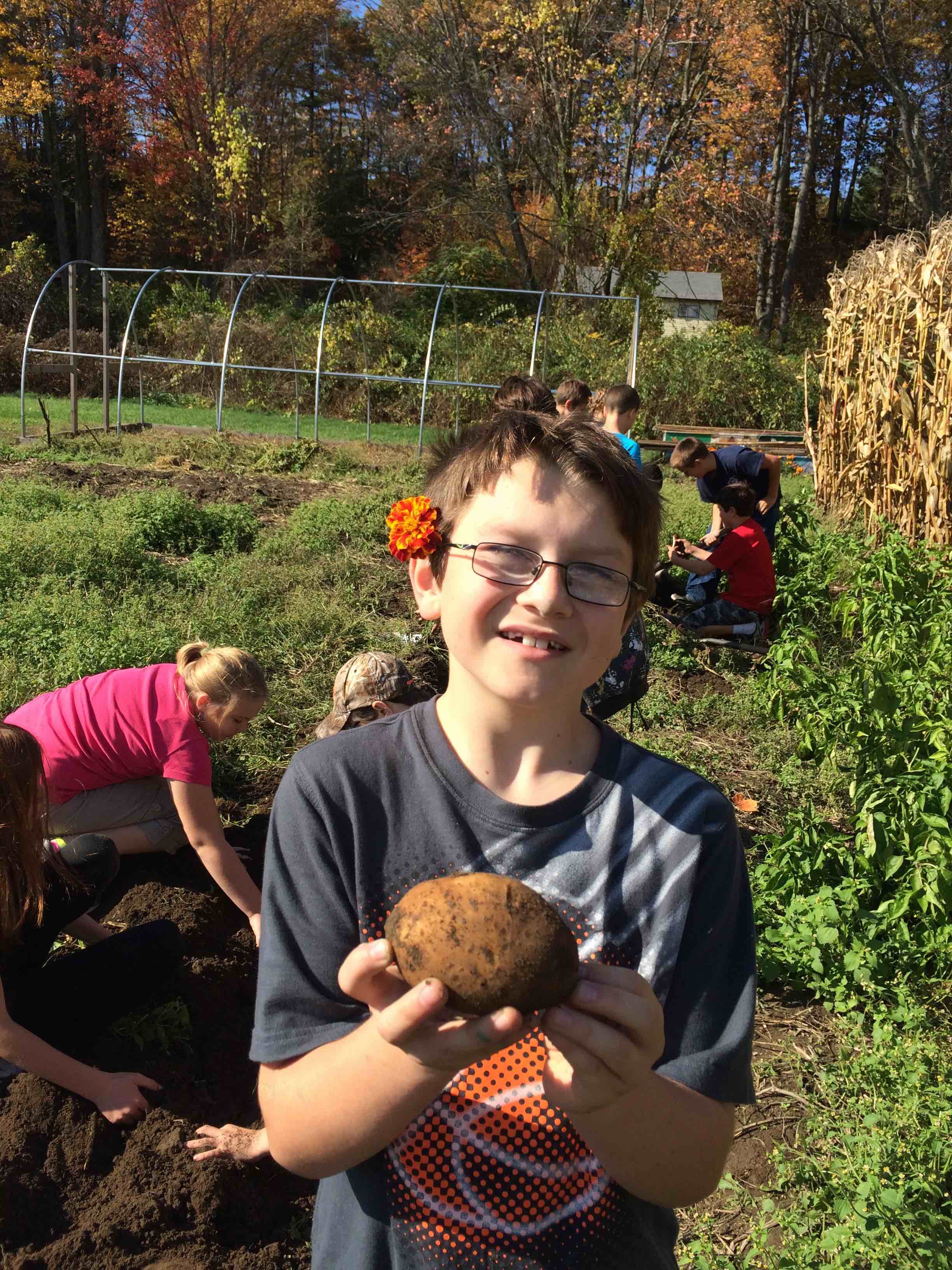
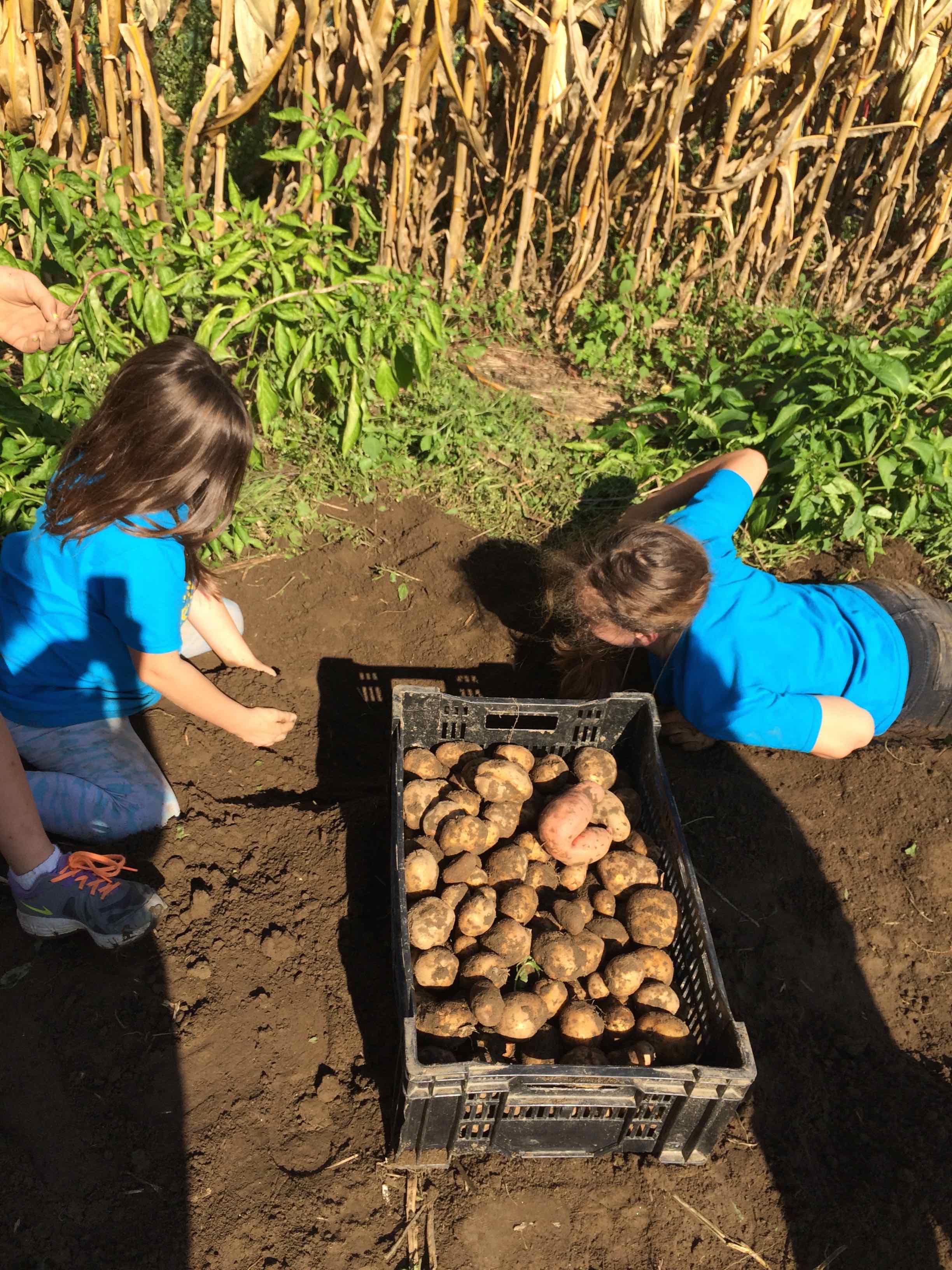
The youngest and oldest students have been out to visit our garden this past month. Potatoes were harvested by sixth graders. They’re stored in a cool spot at generous Harlow Farm for use during the winter months. You can see in the background that our popcorn and flint corn remain to be harvested next week.

Our garden will be tilled and we’ll choose a spot to plant garlic in early November. It will winter over and start showing shoots next spring….sometimes through the last of the snow.

6 th grade potatoes

6 th grade potatoes

digging potatoes  6th

digging potatoes 6th

Digging potatoes gr. 6

Digging potatoes gr. 6

carrot harvest

carrot harvest

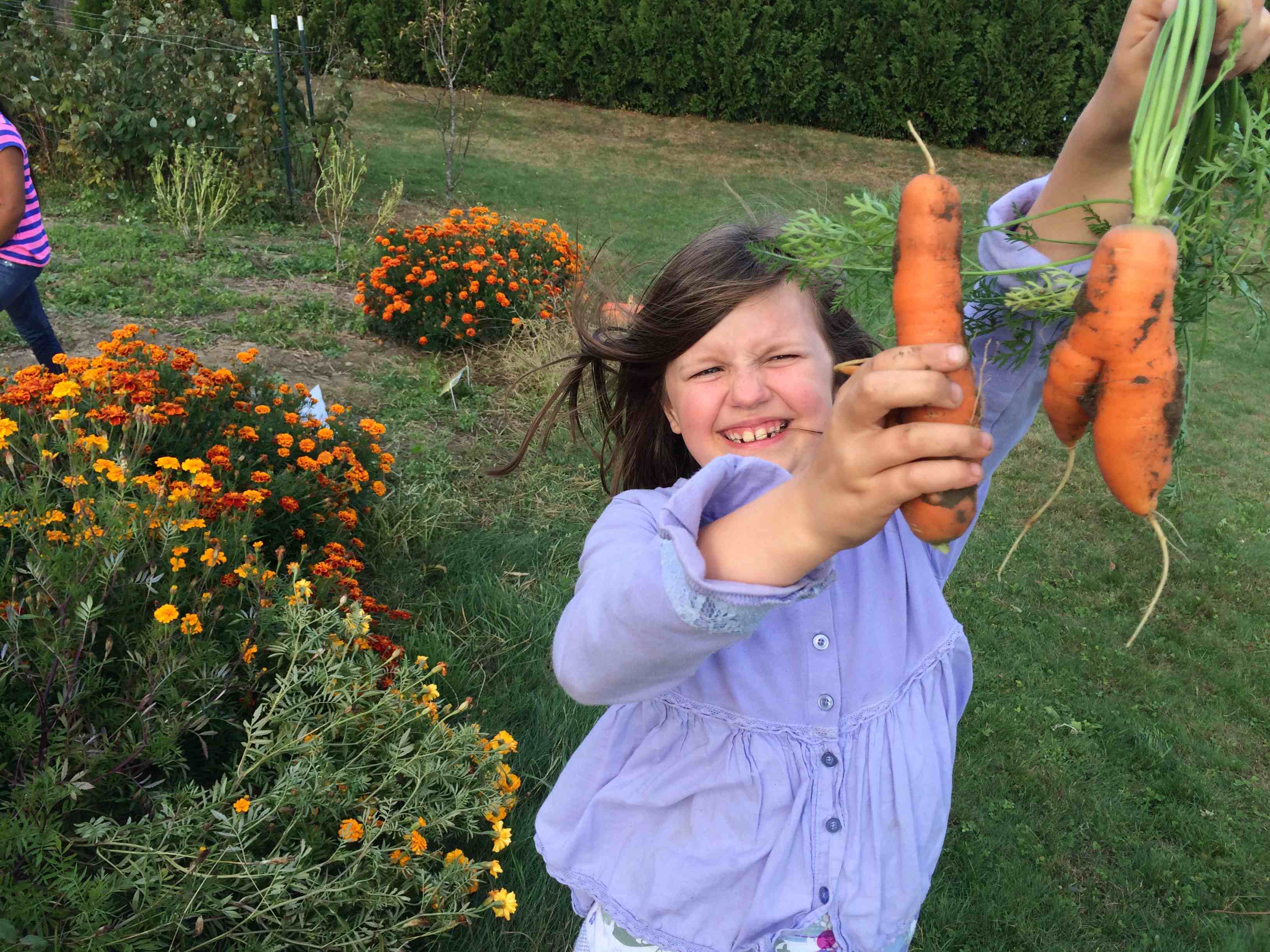
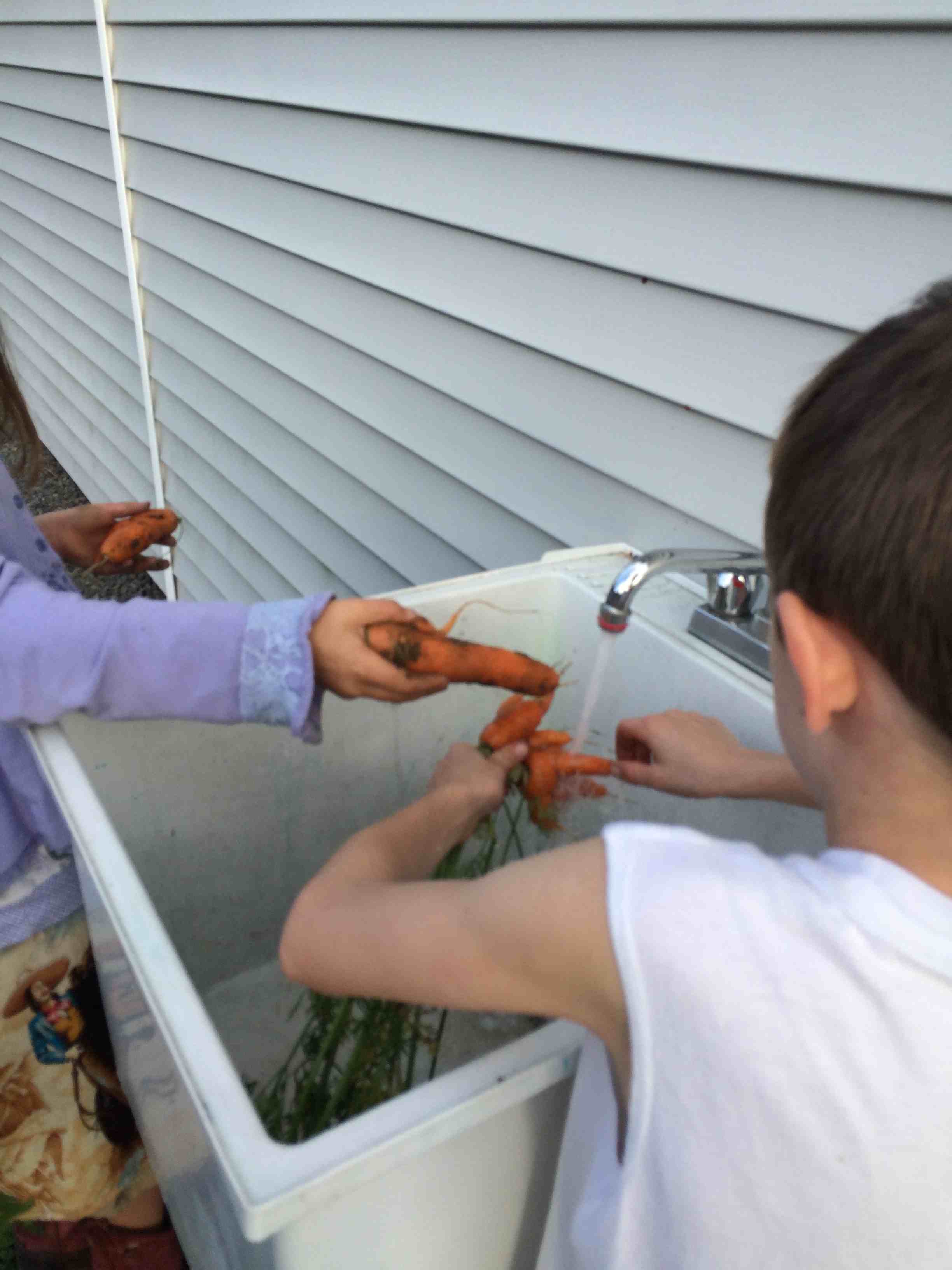
The last of the carrots were dug up and washed in our new outdoor sink. Thank you, Adam Hallock, for installing it! The tomato stakes are being collected for next year.

new outdoor sink

There are many garden memories to tide us over until the next warm sunny spring day……we may have some greens growing in our new hoop house even before then!


Leave a comment

Sweeeeeet Potatoes

digging up sweet potatoes 2nd grades

digging up sweet potatoes 2nd grades

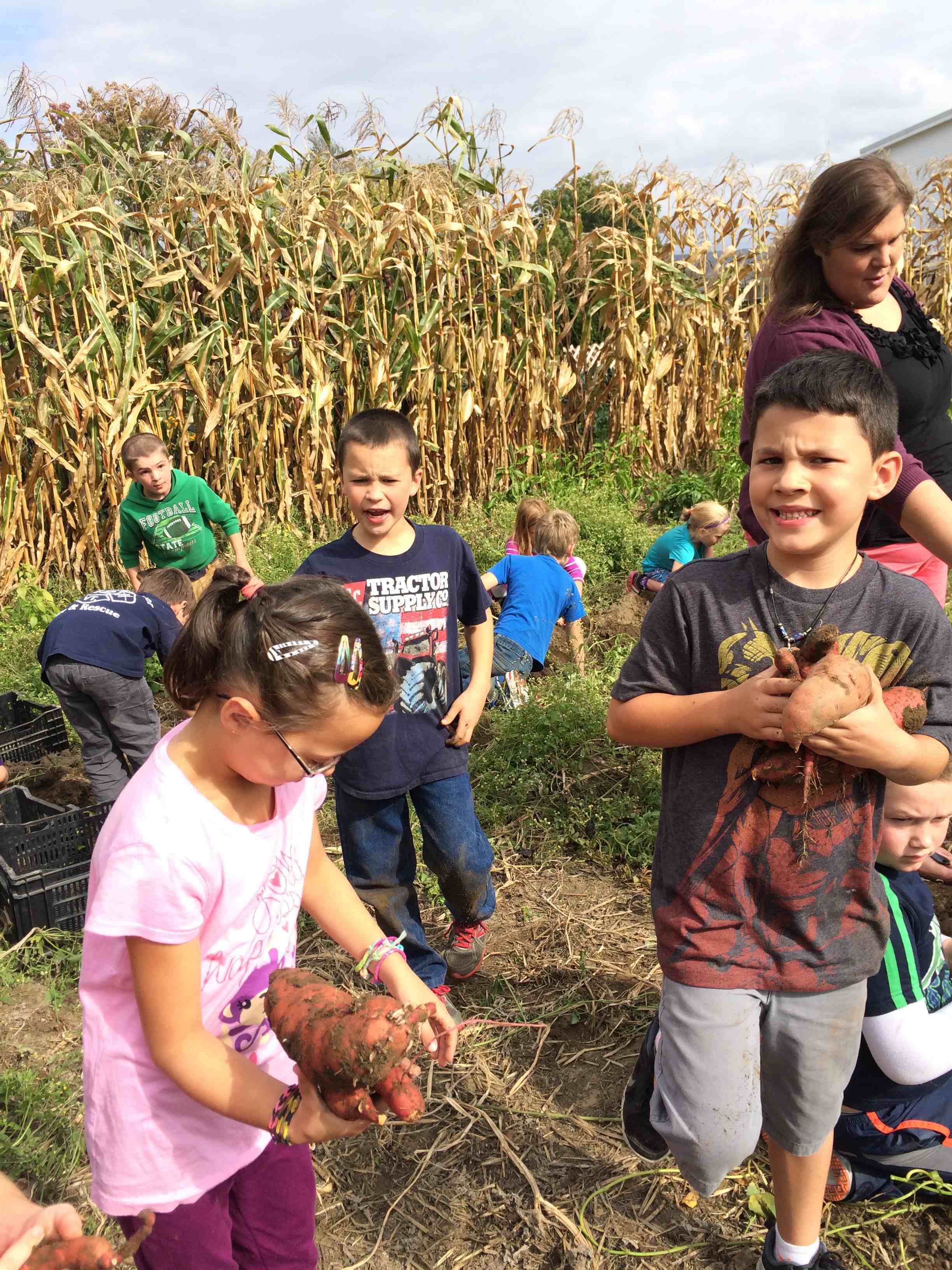
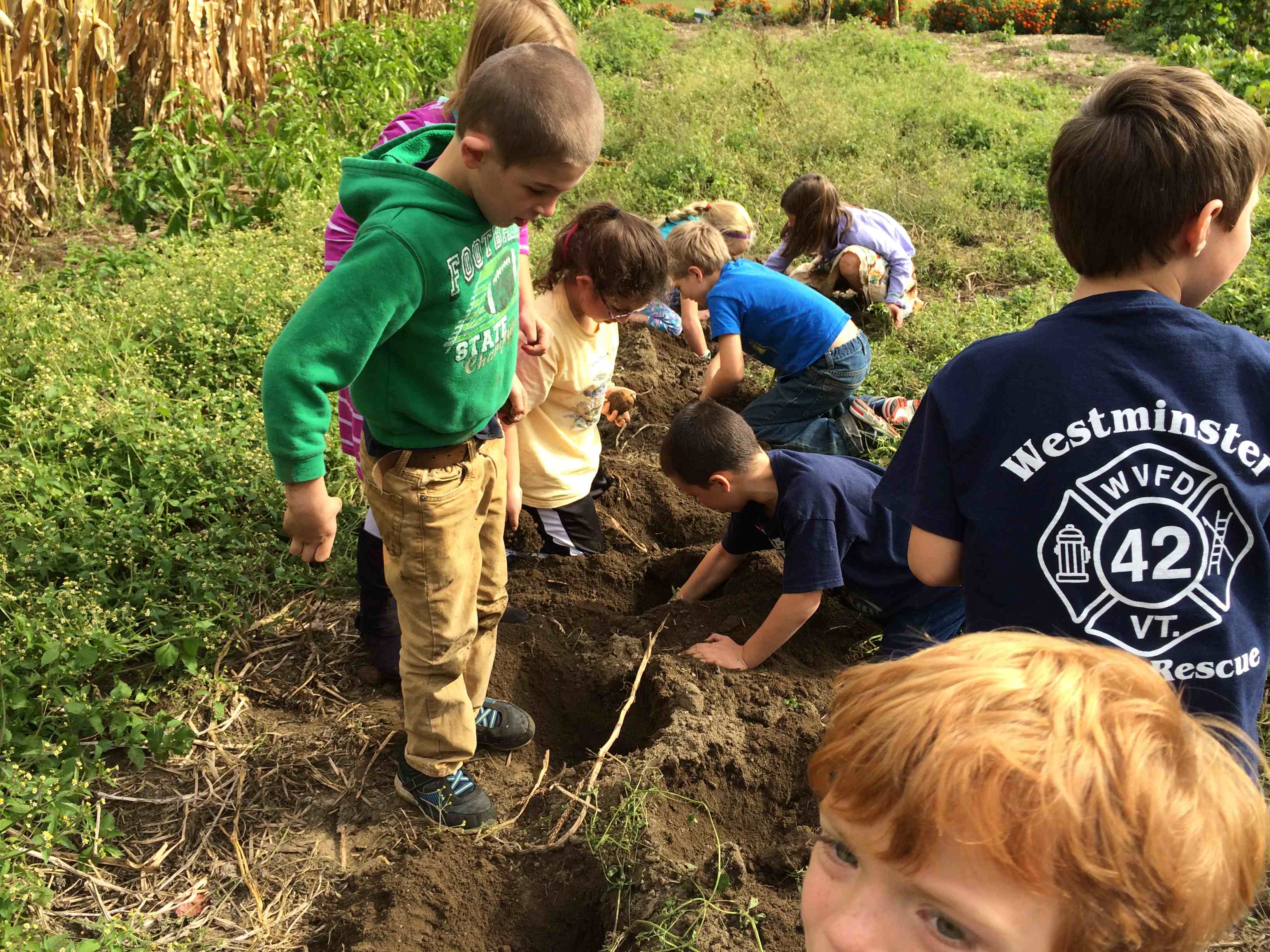
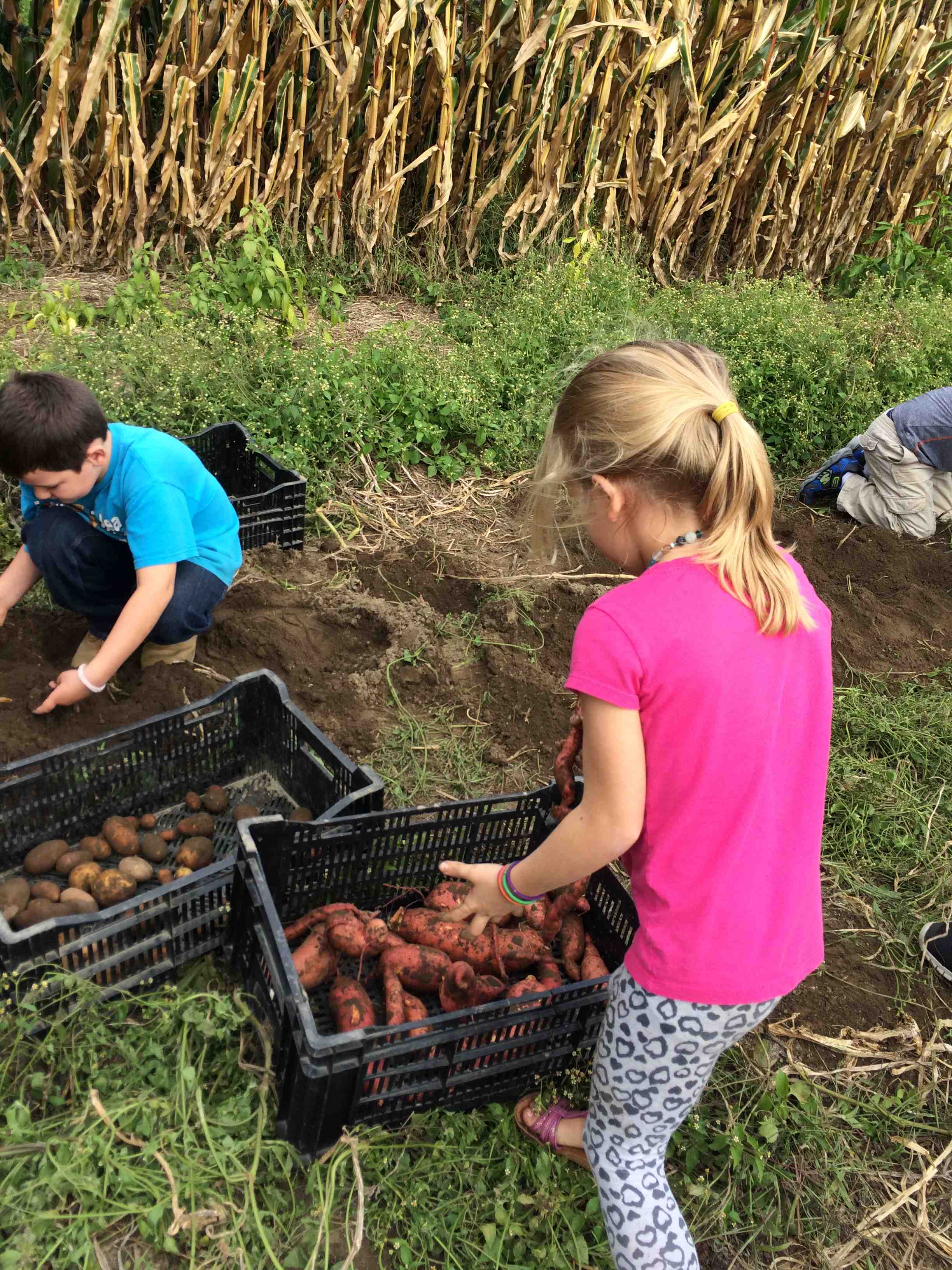
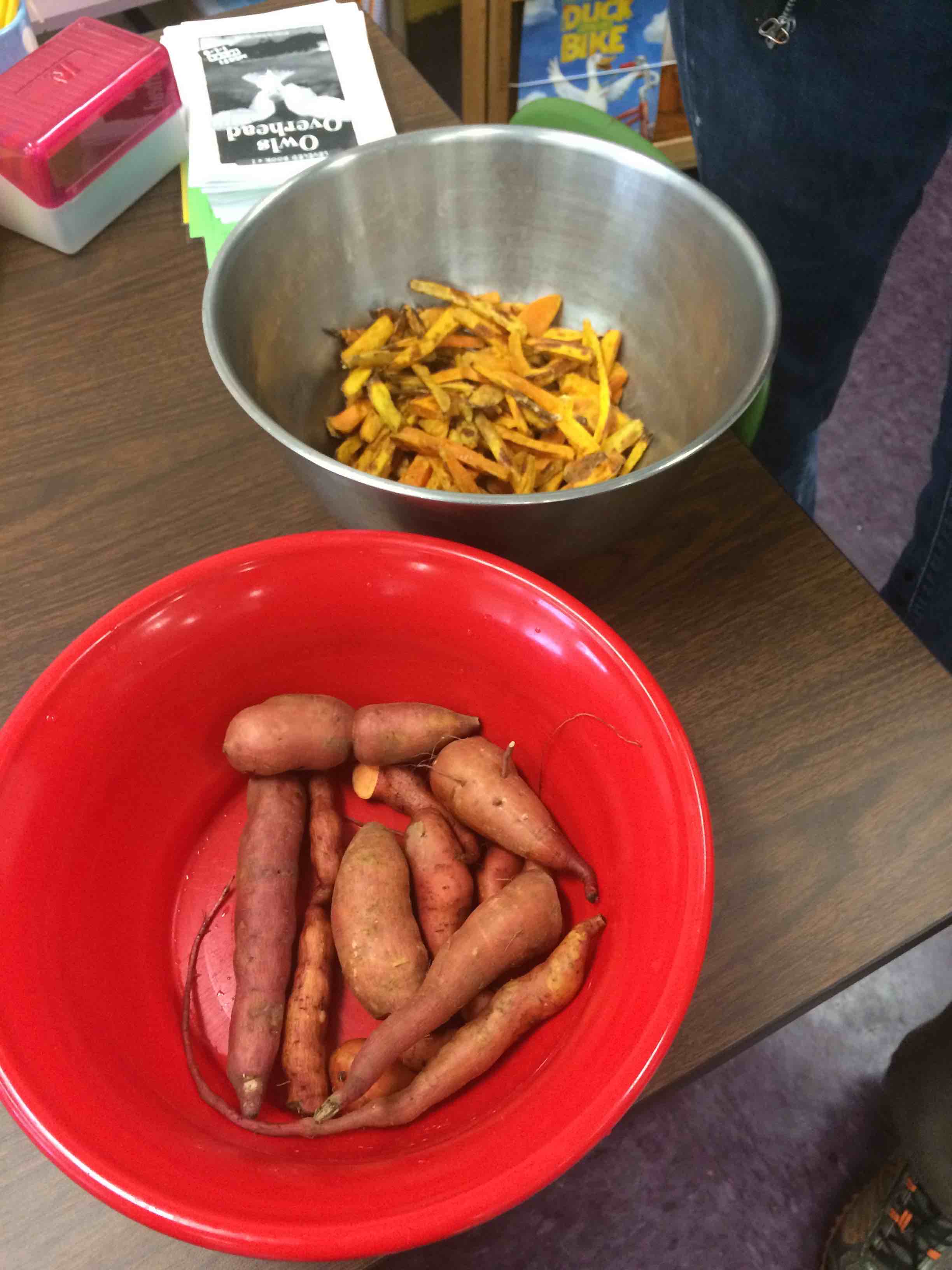
Thanks to the Vermont Community Garden Network, we were able to plant sweet potato slips last summer. The second graders came out to harvest them a week ago.

I’ve never grown sweet potatoes. They grow from ‘slips,’ cuttings from last year’s potato vines. They love warm soil; sometimes putting a dark tarp over them helps them along. They produce a LOT of vines that have to be cleared back before digging them up. They come in all shapes and sizes. They never fail to astonish kids and grown-ups alike when they’re being harvested.

looking for potatoes
looking for potatoes

strangely shaped potatoes
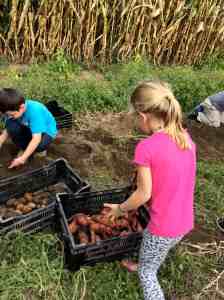
strangely shaped potatoes

sweets and whites
sweets and whites

peeling sweet potatoes

peeling sweet potatoes

The amount of teamwork and the kids’ use of age appropriate metaphors (“It’s like a loose tooth!”) are pretty impressive in a video I took, which unfortunately can’t be uploaded.

The second graders weighed their harvest and they nicknamed the largest potato, “Big Red.”

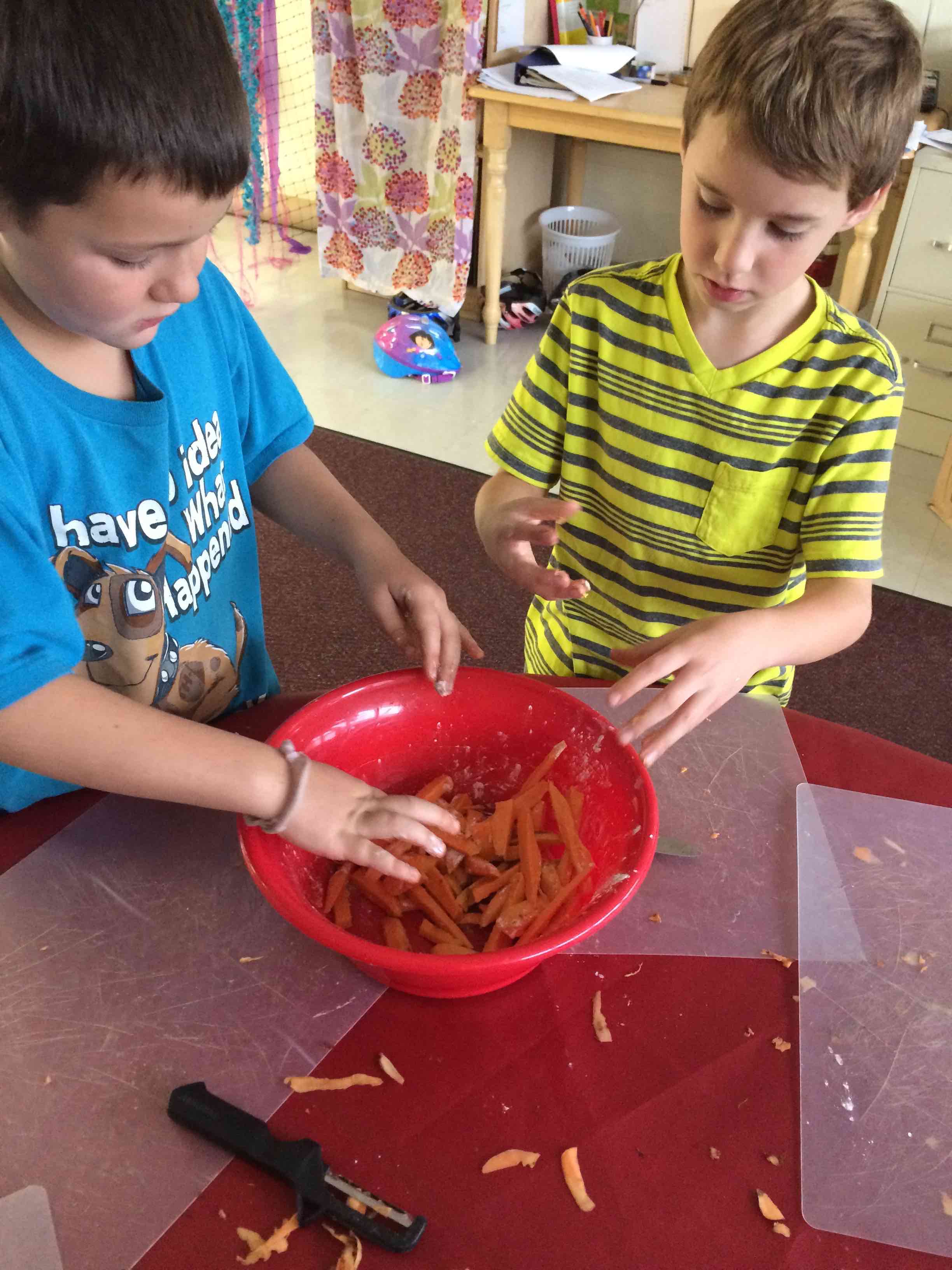
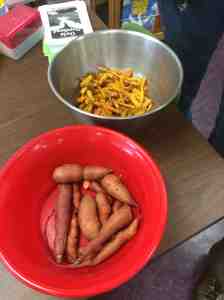
We baked some potatoes into fries. They’re pretty sweet already, but as the harvested potatoes age in a dry warm place, they’re supposed to get sweeter. We’ll see!
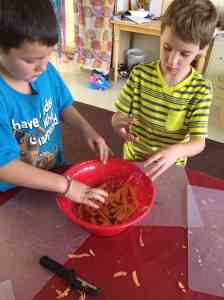
mixing in corn starch and olive oil
mixing in corn starch and olive oil
out of the oven ready to eat


Leave a comment

The Last Sun Gold and Kale Salad

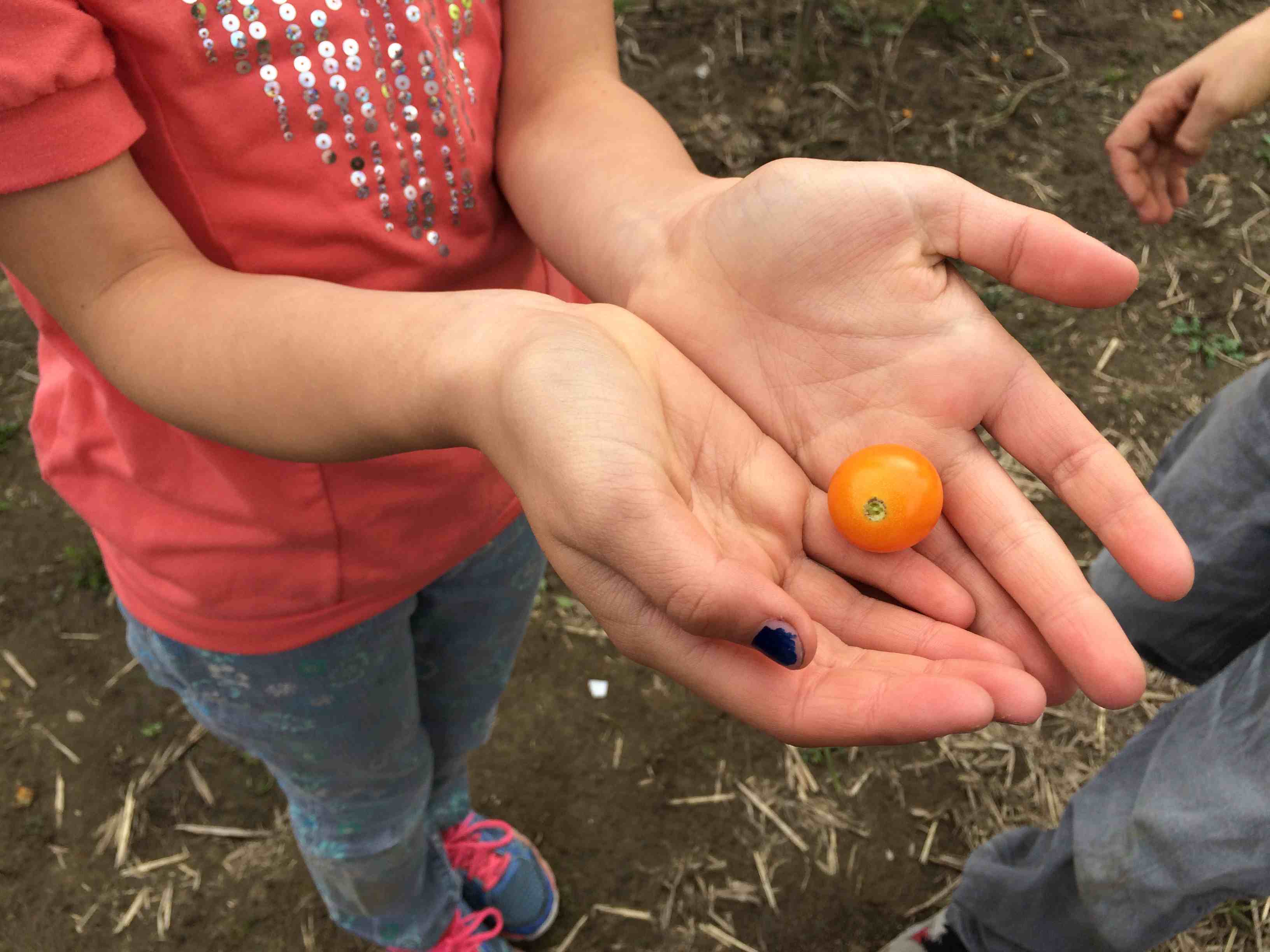
last Sun-Gold

last Sun-Gold

It’s easy to round up a crew of students after school for garden exploration. This latest group was interested in what was still growing. They were mostly interested in grazing on  raspberries which are still producing in abundance. Our summery crops are becoming a fading memory, but our kale, beets, carrots and potatoes are continuing to grow in the waning October light.

Kale harvesters ASP

Kale harvesters ASP

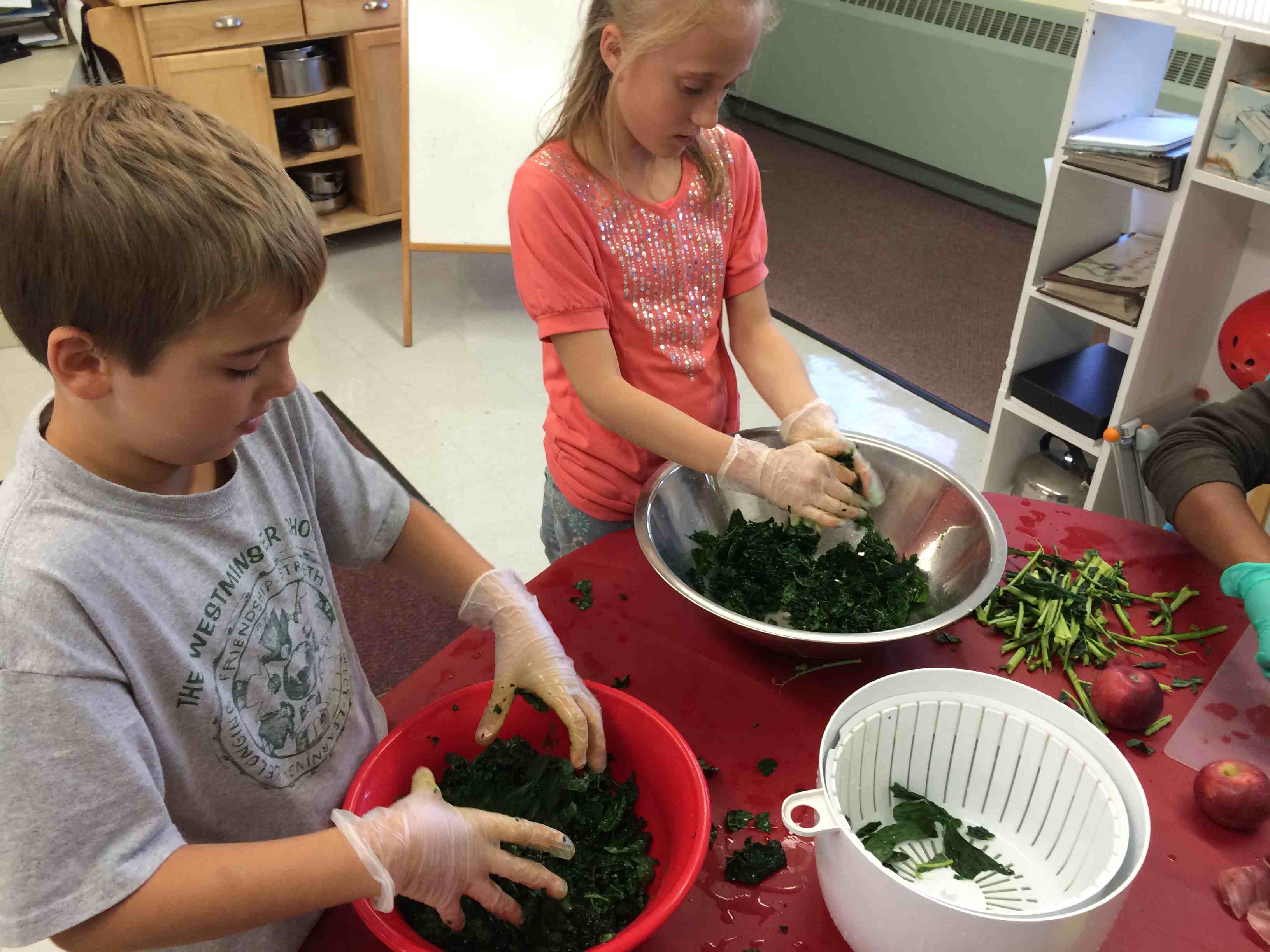
Massaging kale

Massaging kale

taking clean-up seriouly

taking clean-up seriously

Kale salad astounds with its ability to morph into palate pleasing deliciousness. Last week I discovered a new one at a restaurant in Woodstock, Vt. It had just the right balance of lemon, olive oil, tender kale leaves and, in this recipe, a bit of parmesan cheese. Additions to the basic recipe for kale salad are only limited by the imagination of the chef. Last week, these “After School” kids made a delicious salad, adding to the tang with some  fresh Macintosh apple chunks.

KALE SALAD RECIPE


Leave a comment

Pickin’ Pumpkins: Grade One

Pumpkin Harvesters

Pumpkin Harvesters

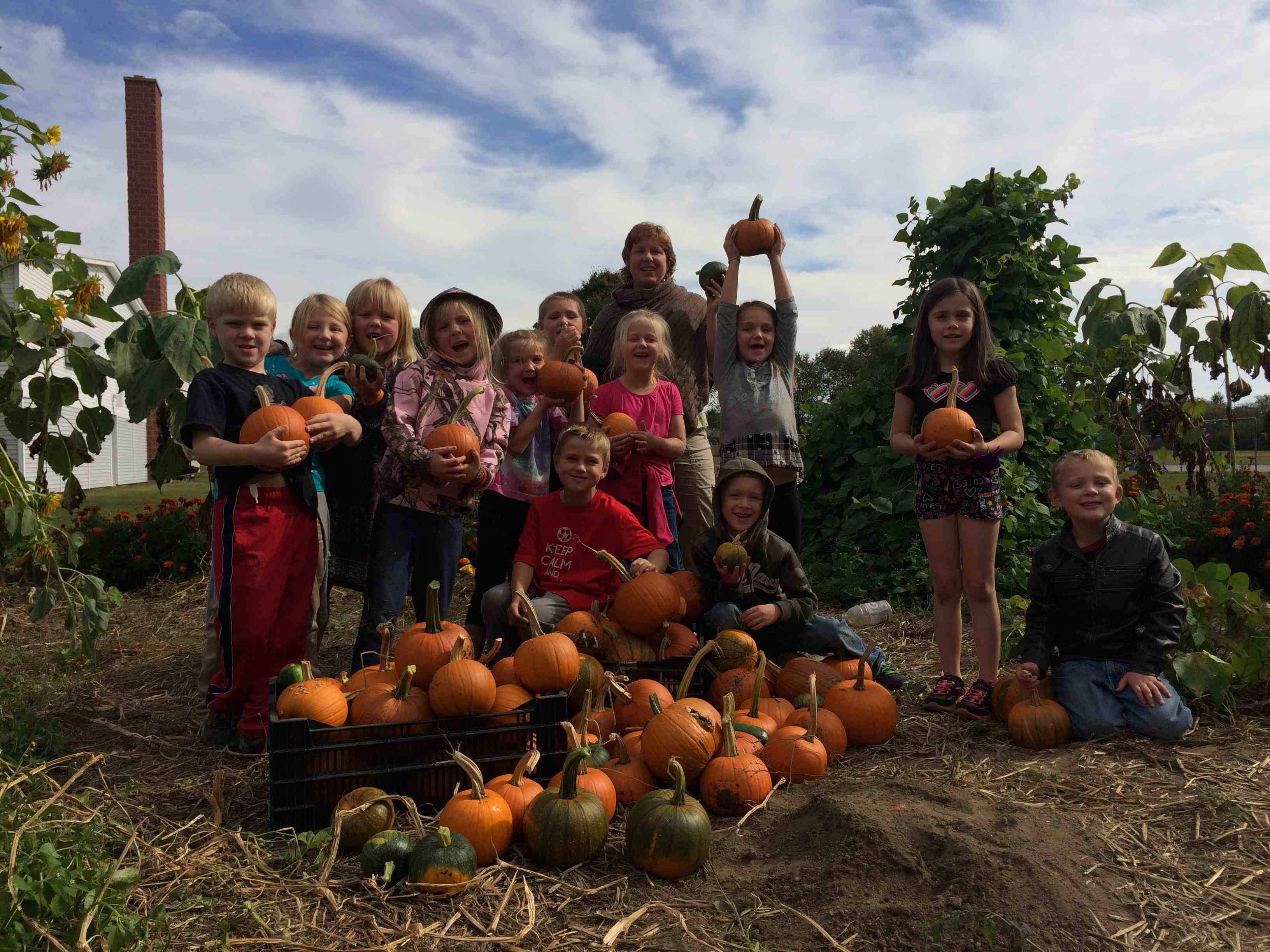
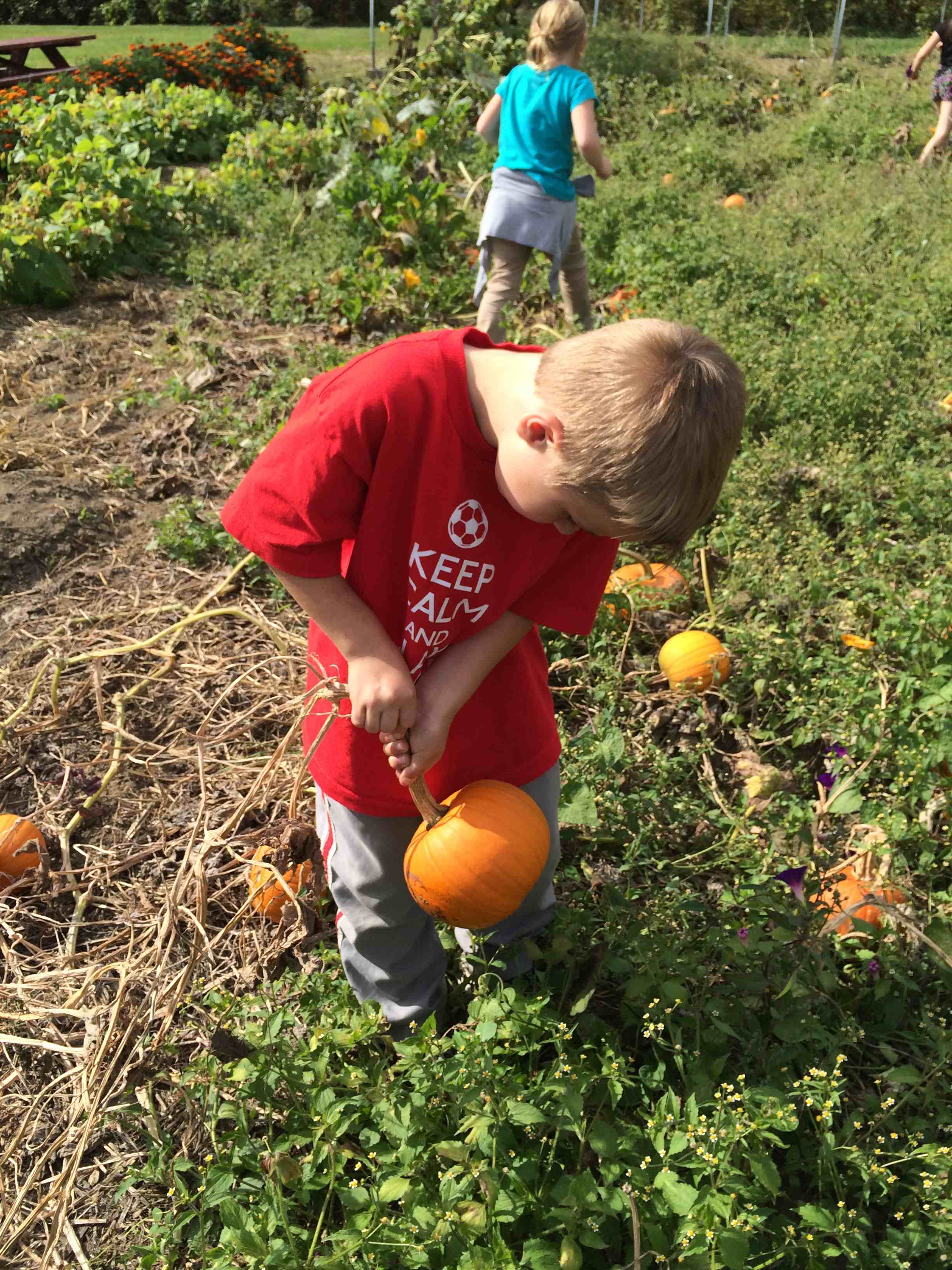
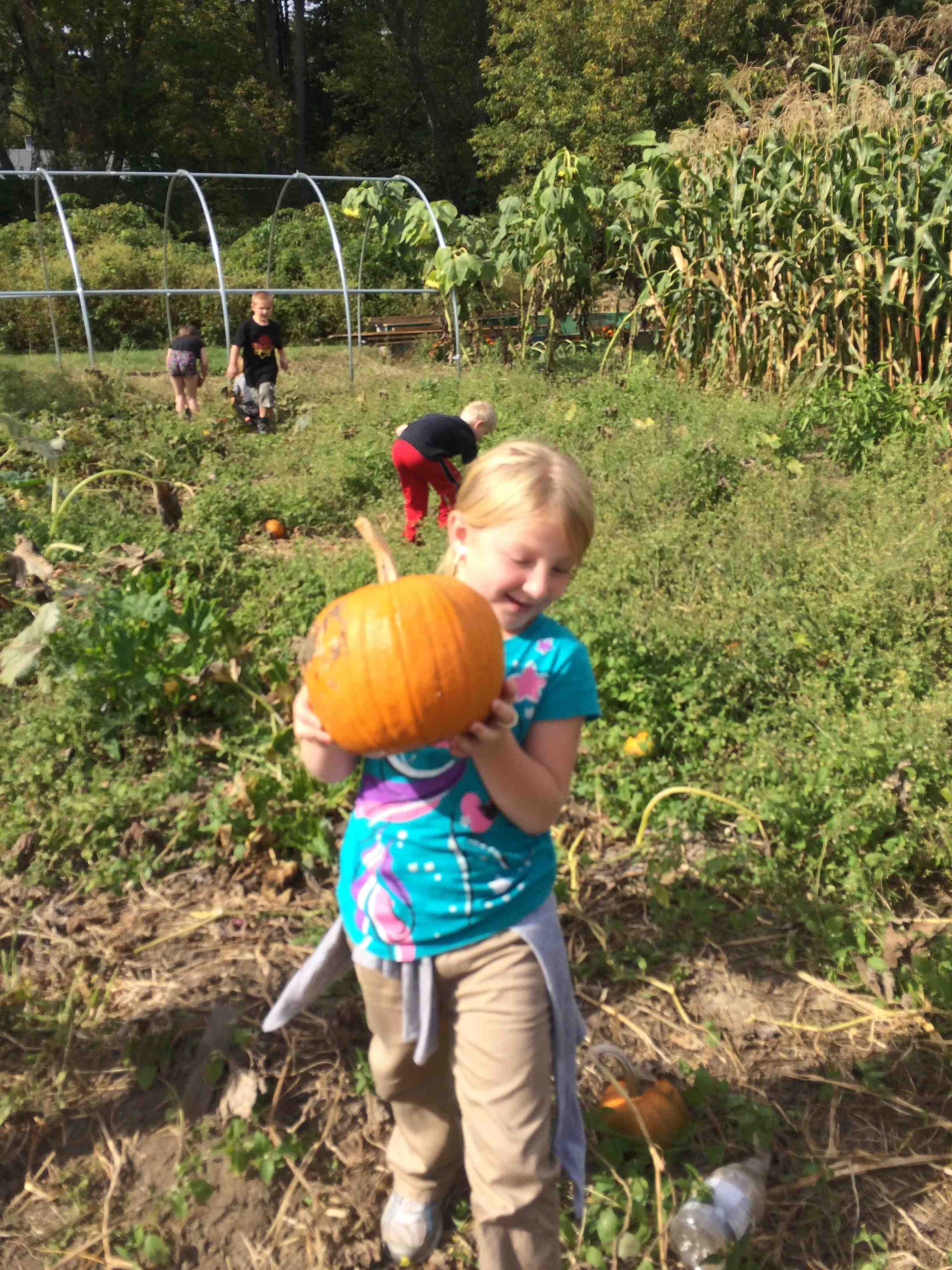
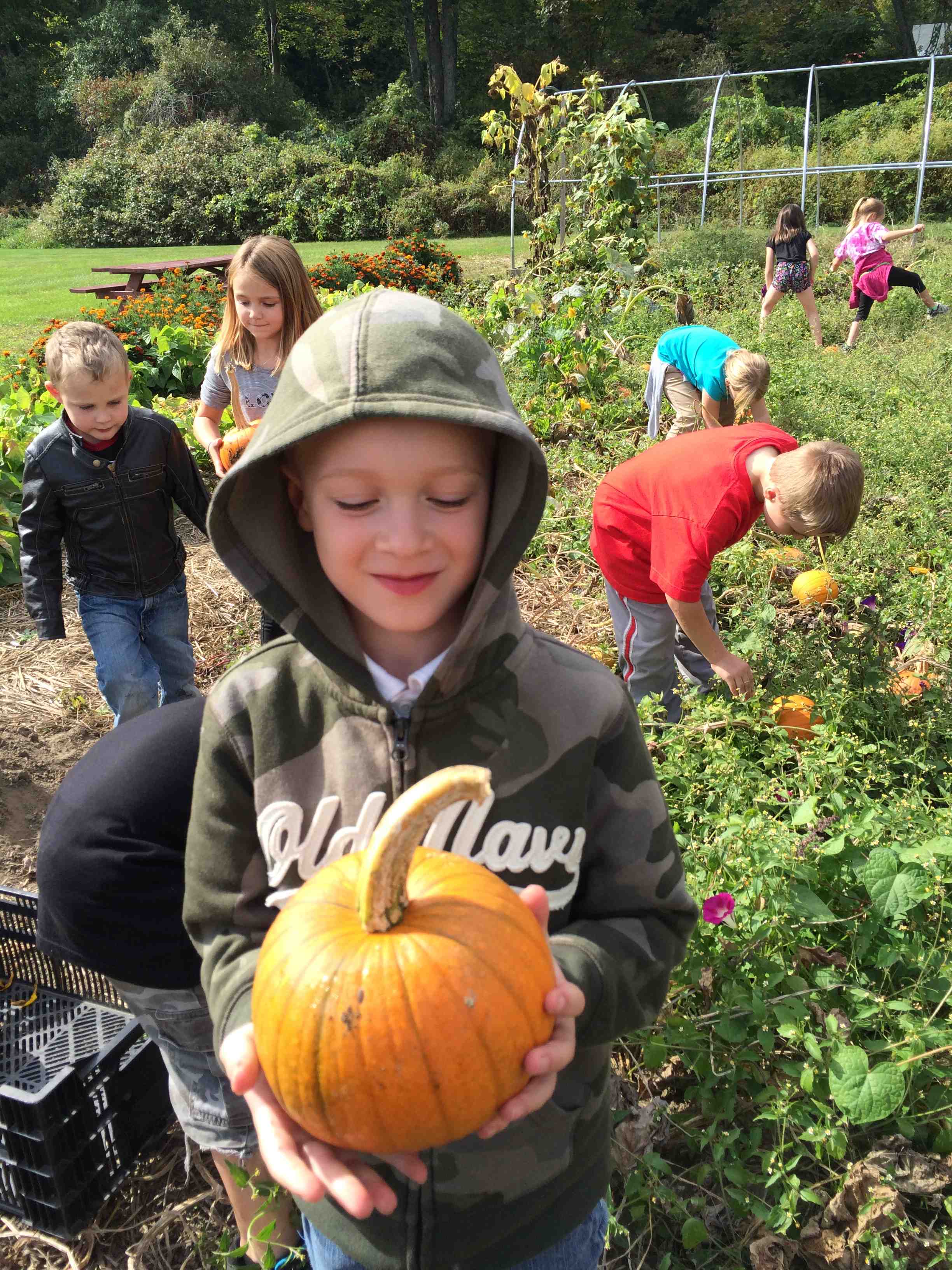
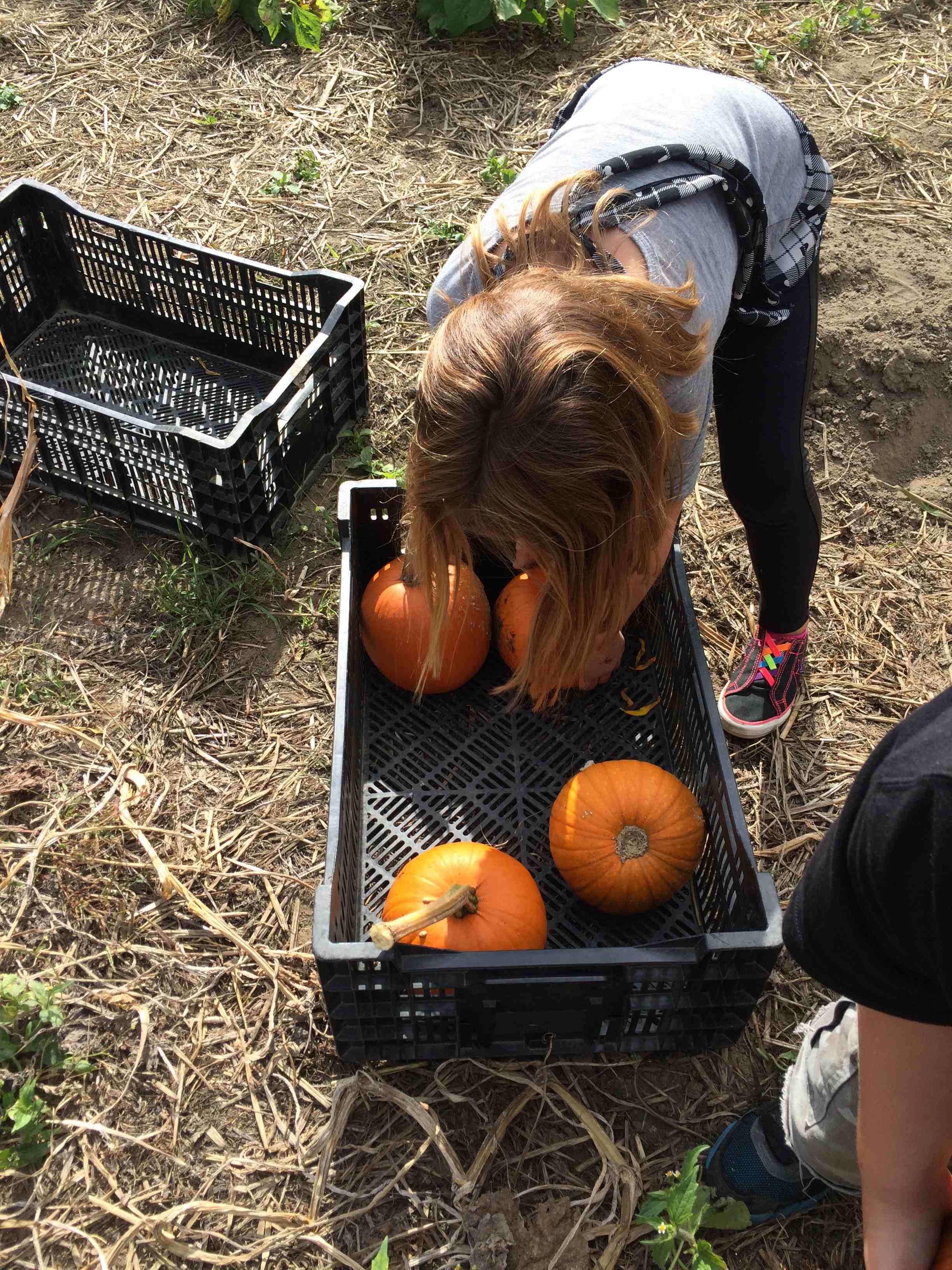
It was time to harvest our pumpkins last week. They were beginning to drop off the vines. We can store them at school as long as the temperature stays between 50 and 65 degrees F.

First Graders went out to harvest the crop they had planted last spring when they were a class of kindergarteners. They had grown as much and more than their plants!

finding the pie pumpkins

finding the pie pumpkins

happy harvester

happy harvester

more harvesters

more harvesters

loading up pumpkins

loading up pumpkins


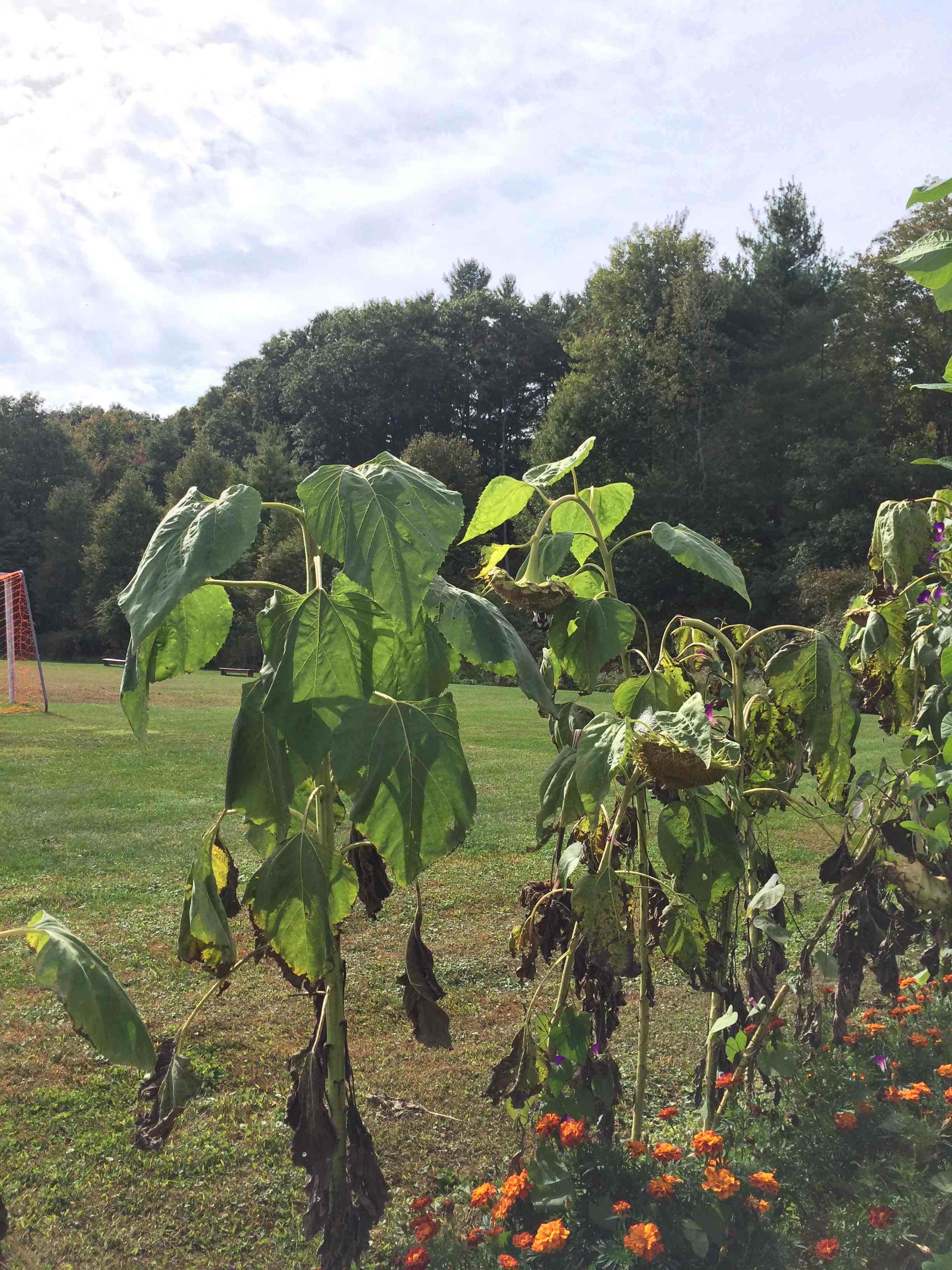
While they were on their treasure hunt, one student spied a woodpecker helping itself to the ripe sunflower seeds above the pumpkin patch. See if you can find it. (Click on photo to enlarge.)

woodpecker on the sunflower

woodpecker on the sunflower


2 Comments

Dilly Bean Workshop: Families Invited

siblings at our pickling workshop

siblings at our pickling workshop

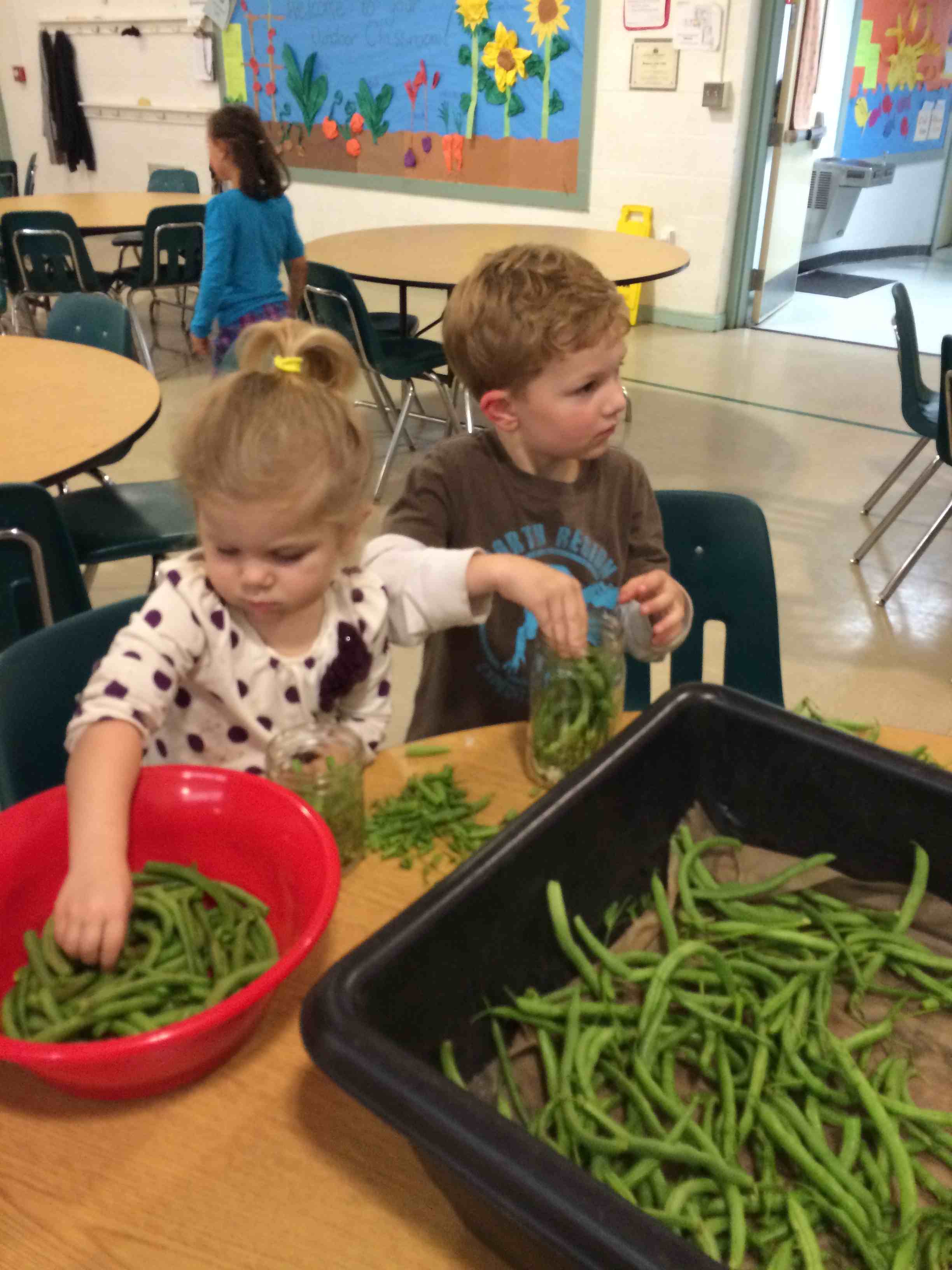
Last week Westminster Center held a dilly bean canning workshop. Families processed the beans from our garden, using our own garlic and dill seed heads. They each took home a jar of dilly beans! The rest will be served on our salad bar later in the year. Many questions were raised and answered concerning hot water bath processing and timing for these very popular pickles. We finished our pickling in just about an hour since a few participants had to get to soccer practice!

Click to open the recipe: DILLY BEANS RECIPE

finding those beans

finding those beans

harvester and canner

harvester and canner

Mother and son canning

Mother and son canning

family canning

family canning


Leave a comment

Tomato Coriander Soup

team dicing

team dicing

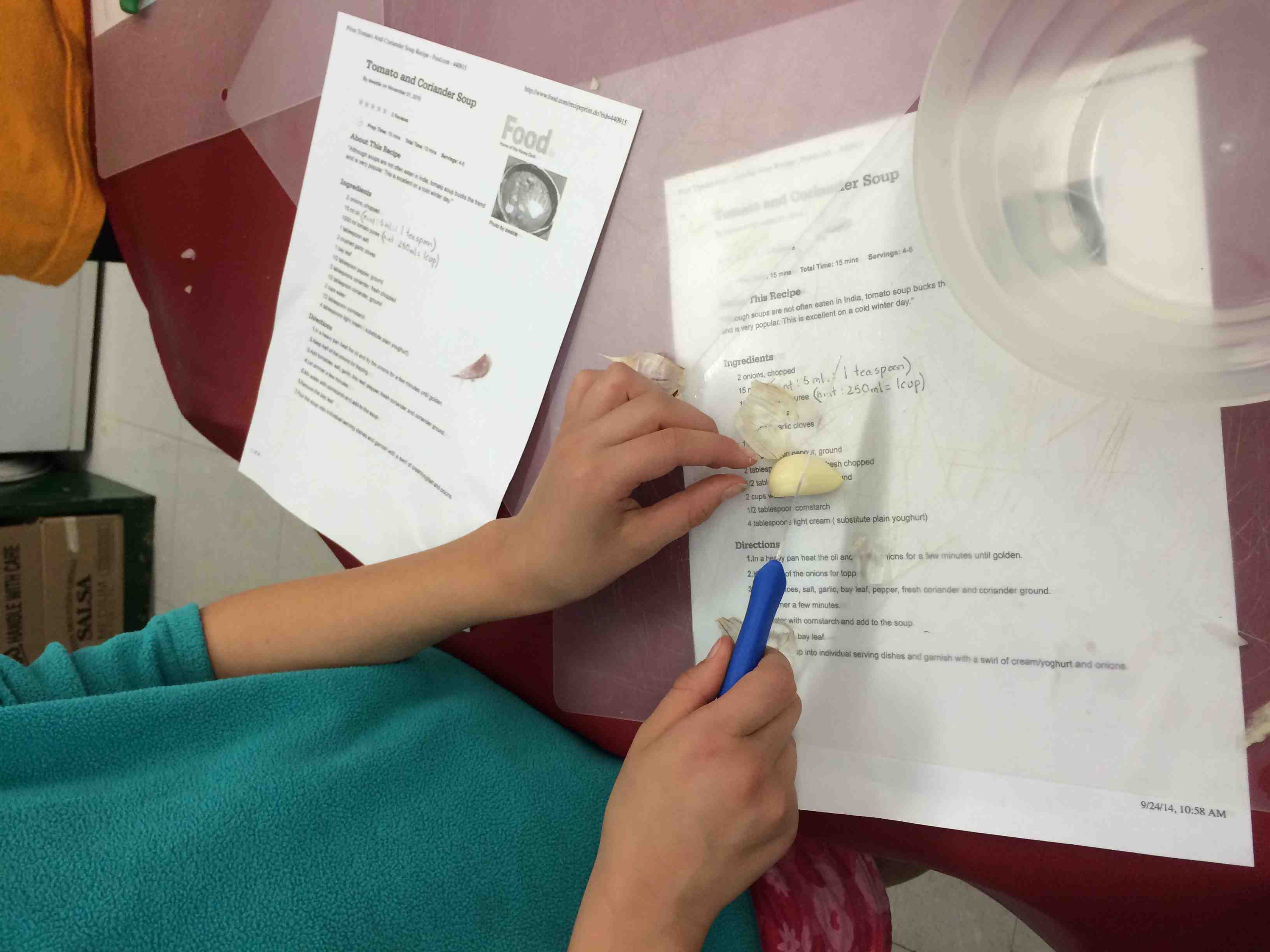
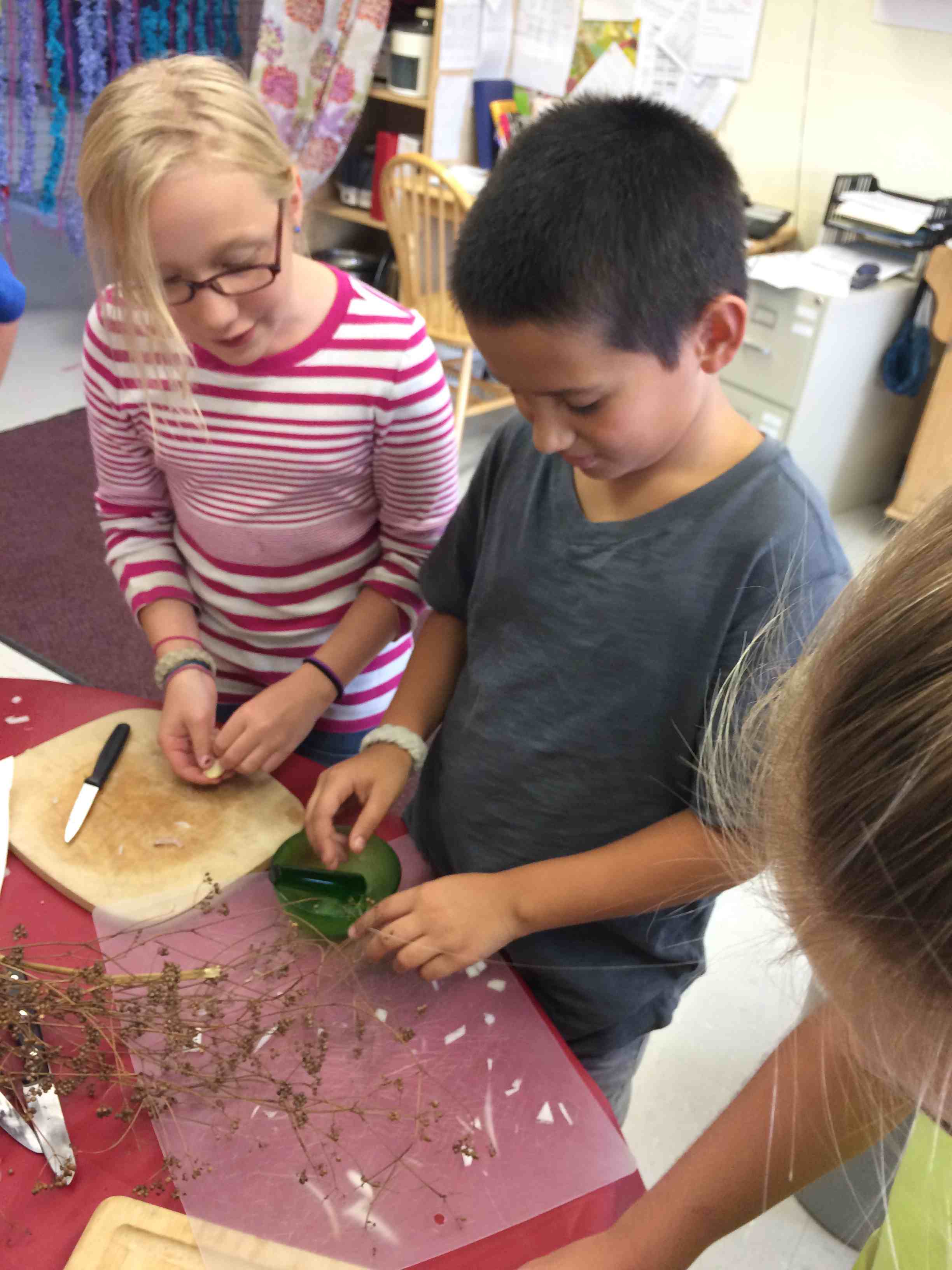
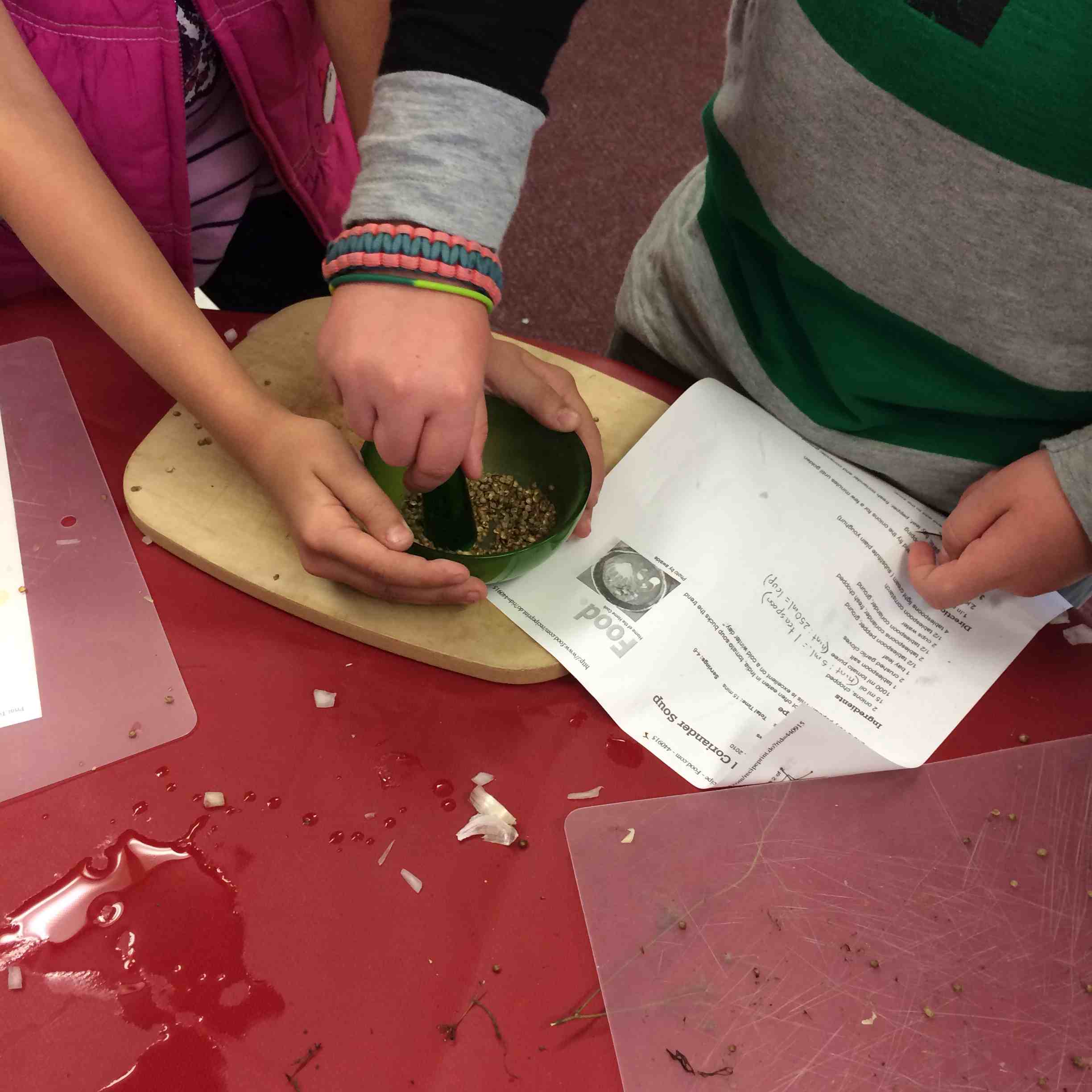
The community minded 5th graders contributed a soup to our Westminster Center School Open House last week. They combined fresh onions, garlic, tomatoes and coriander from our garden for this yummy offering. In teams, the class came together to read recipes, dice, and pulverize ingredients. They found out that the cilantro they used to make their salsa earlier had produced seeds. These seeds had a new “spice name”: coriander! As they ground the seeds with mortar and pestle, the aroma reinforced the reincarnation.

reading recipe while dicing garlic

reading recipe while dicing garlic

sauteeing

sauteeing

coriander

coriander

grinding coriander seeds

grinding coriander seeds

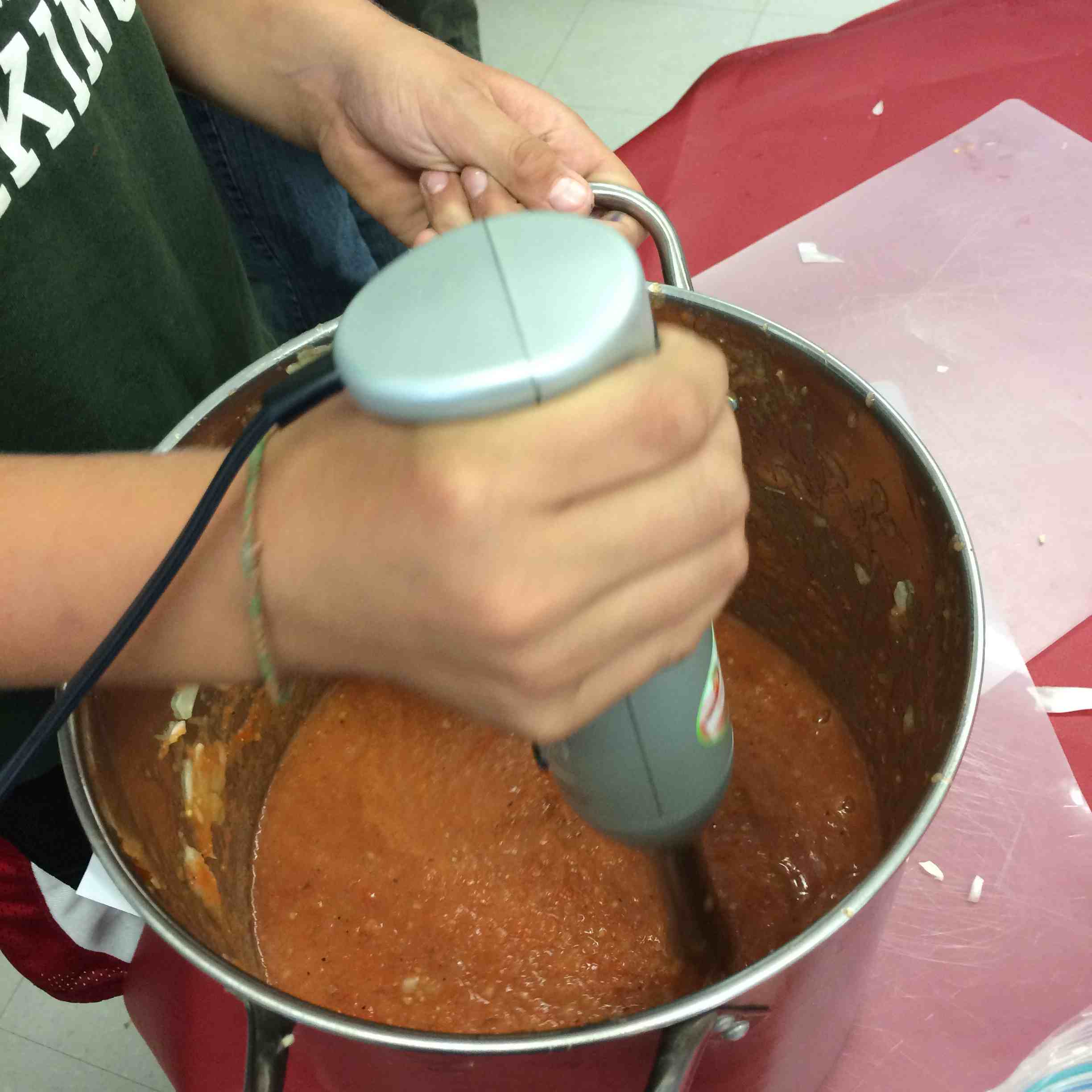
They also learned about the “magic wand,” a blending tool that is soo easy to use, we rarely pull out our blender anymore!

using a wand on tomato coriander soup

using a wand on tomato coriander soup

cleaning up the garden

cleaning up the garden

Some of these hard working children also helped take down tomato stakes in the garden. They piled them in the shed for next year.


2 Comments

Species Interdependence: 4th Grade Interpretation

Mr. McCafferky: "Check out this bean!

One of the most important lessons learned in school is how much we depend on one another. We begin to understand and appreciate that fact even before we enter school. Here in Mr. Cafferky’s  fourth grade, students are grappling with the concept of how different species depend on one another. The first part of this question is vocabulary related.  What is interdependence? What is a species? It’s wonderful to participate in  the learning that occurs between students as they listen to each others’ ideas. The next question: How can we use the garden to illustrate species interdependence?

For this part of our activity, I asked students to read about the plight of the honeybee. They learned about the importance of honeybee pollination in our garden and in the world of agriculture. A few already knew that the honeybee benefits from the nectar found in our garden flowers. They also learned about colony collapse disorder, a syndrome that is eliminating our important honeybee pollinators at an alarming rate.

looking at a young bean

looking at a young bean

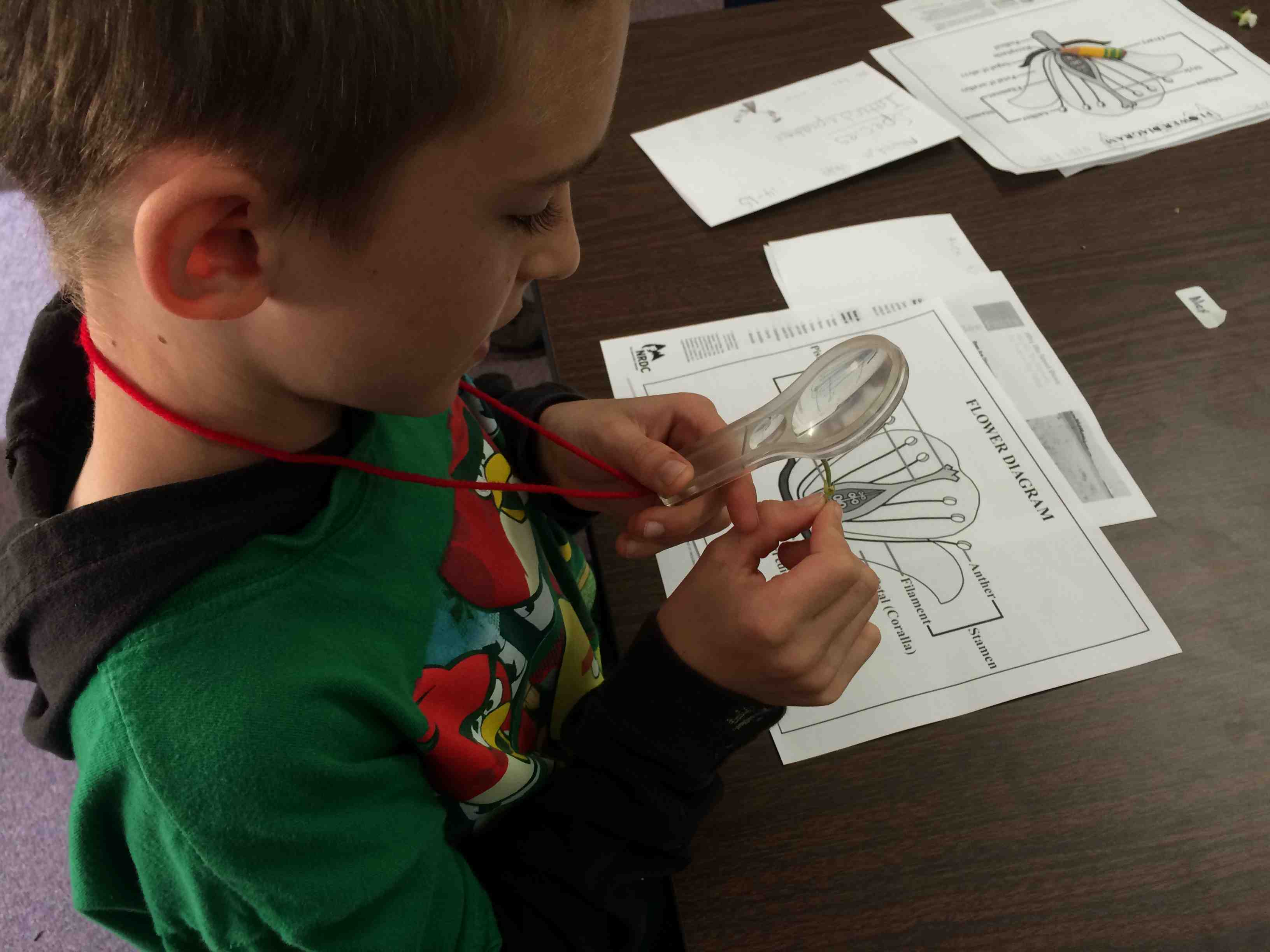
using a magnifying glass

using a magnifying glass

We went out to the garden to check on our new beans. They provide a great illustration of the pollination needed to create fruit from a flower. We saw very few honey bees, but a lot of bumble bees, another species of bee that helps  pollinate. I think the most exciting part of this experience was looking up close with magnifying glasses. I hope to use them again soon with these budding scientists!